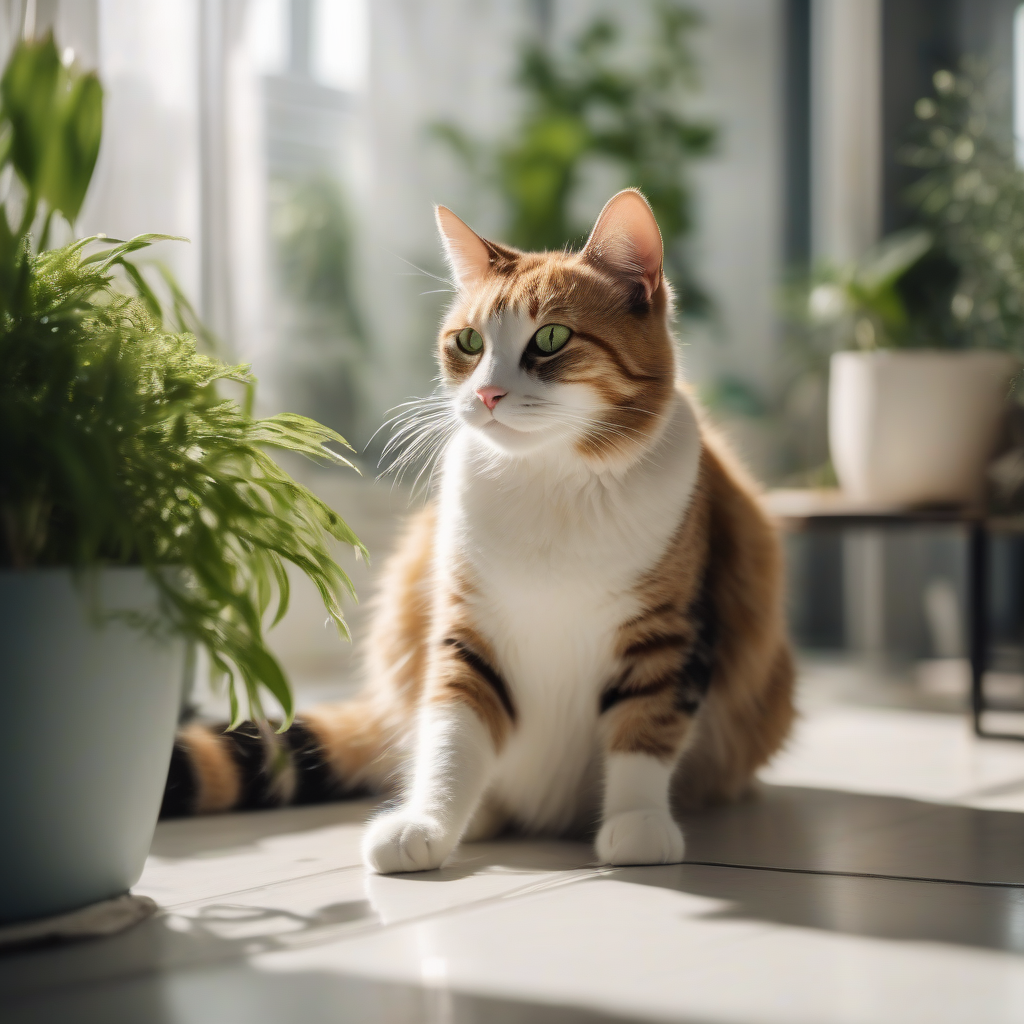
March 2026's Revitalizing Trend: Your Cat's Spring Detox! 7 Smart Ways to Purify from Winter Toxins and Boost Energy
As we enter March 2026, not only humans but also our furry friends need to shake off winter fatigue and refresh with the energy of spring. Reduced activity, altered eating habits, and prolonged indoor time during the cold winter months can lead to an accumulation of toxins in your cat's body. This is where the 'Cat's Spring Detox' trend comes in. This guide offers 7 smart methods to cleanse your cat's internal system, boost their energy to peak levels, and ensure they start spring with renewed vigor.
Why is Spring Detox Important? Your Cat's Need to Purify from Winter
Winter is a period for cats when metabolism slows down, they sleep more, and nutrients are stored differently. Heating systems, air pollution, processed foods, or reduced exercise can gradually lead to toxin accumulation in your cat's body. These accumulations can, in the long run, result in a weakened immune system, digestive issues, skin problems, or general lethargy. Spring detox aims to alleviate this burden by supporting your cat's natural purification processes.
The Burdens Accumulated in Your Cat During Winter
During winter months, cats tend to spend more time indoors. This can lead to changes in their shedding cycles, less fresh air intake, and potentially increased exposure to household chemicals. The thickening of winter coats, followed by shedding in spring, can add an extra load of hair to the digestive system. All these factors make a comprehensive spring detox indispensable.
Step 1: Optimize Water Quality – Hydration is the Foundation of Detox
Water is one of the most crucial ways the body eliminates toxins. Ensure your cat receives adequate and clean water. Check the quality of your tap water; use filtered water if necessary. Some cats prefer running water, in which case a water fountain can increase water intake. Sufficient hydration is critical for kidney and urinary tract health, facilitating the elimination of toxins.
Access to Clean Water and Variety
Your cat should have water bowls at different locations, and these bowls should be cleaned daily. Glass or ceramic bowls are healthier than plastic. Adding a small amount of unsalted, unseasoned broth to the water or letting them play with ice cubes can also encourage water consumption.
Step 2: Support Gut Microbiome – The Power of Probiotics and Prebiotics
A healthy gut is essential for a strong immune system and an effective detox process. Changes in diet or stress during winter can negatively affect gut flora. With your veterinarian's approval, support your cat's gut health by adding quality probiotics (beneficial bacteria) and prebiotics (fibers that feed these bacteria) to their diet. This will help reduce toxin absorption and accelerate their elimination.
The Relationship Between Digestive Health and Immunity
The gut microbiome plays a central role in your cat's overall health. A balanced microbiome improves nutrient absorption, prevents the proliferation of harmful bacteria, and enhances the body's ability to fight toxins. Achieving this balance during detox ensures your cat is more vigorous and resilient.
Step 3: Natural Supplements Supporting Liver Function
The liver is the body's primary detox organ. With your veterinarian's recommendation, you can add natural supplements (e.g., milk thistle extract or specific vitamin complexes) to your cat's diet to support liver function. These supplements can enhance the liver's capacity to break down and eliminate toxins from the body. However, always consult a specialist before using any supplements.
The Liver's Role in Detoxification and Safe Supplements
The liver filters metabolic waste, drug residues, and environmental toxins. The healthy functioning of this organ is vital for your cat's detoxification ability. Safe herbal supplements can help protect and regenerate liver cells.
Step 4: Enrich the Diet with Fresh and Seasonal Foods
Incorporate fresh, minimally processed, and antioxidant-rich foods into your cat's diet. With your veterinarian's approval, easily digestible foods like small amounts of cooked chicken, fish, or catnip can boost metabolism. You can also add small touches of pureed seasonal vegetables (in very small amounts and safe for cats) and fruits (again, with vet approval) to their diet. This increases vitamin and mineral intake, supporting the detox process.
Antioxidant-Rich Options
Antioxidants fight free radicals, reduce cellular damage, and support the detox system. Some safe fruits and vegetables (e.g., small amounts of blueberries or pumpkin) can provide a healthy contribution to your cat's diet.
Step 5: Accelerate Metabolism with Regular Exercise and Mental Stimulation
Exercise is crucial not only for physical health but also for detoxification. Movement accelerates blood circulation, stimulates the lymphatic system, and helps eliminate toxins through sweating. Organize daily play sessions with your cat, encouraging them to climb, chase, and jump. Mental stimulations (games, puzzles) also indirectly contribute to the detox process by reducing stress.
The Impact of Physical Activity on Detox
Regular physical activity revitalizes your cat's metabolism and helps the digestive system function regularly. Play satisfies your cat's natural hunting instincts while activating the circulatory and excretory systems, which aid in toxin elimination.
Step 6: Support the Detox Process with Stress Reduction Techniques
Stress weakens cats' immune systems and reduces their body's ability to cope with toxins. Create a calm environment for your cat. Safe hiding places, comfortable beds, and regular routines help reduce stress. Feline pheromone sprays or diffusers can also have a calming effect on some cats. A relaxed and happy cat can eliminate toxins more efficiently.
Physiological Effects of Stress and Ways to Reduce It
Chronic stress can elevate cortisol levels in cats, leading to inflammation and digestive problems. Offering play, gentle massage, and a secure environment reduces stress and enhances the success of the detox program.
Step 7: Purify the Environment from Toxins – Air and Cleaning Factors
The environment your cat lives in plays a critical role in the detox process. Ventilate your home regularly and use chemical-free, cat-friendly cleaning products. To improve air quality, you can use air purifiers or filter indoor air with plants safe for cats (e.g., spider plant). Pay attention to litter box hygiene to prevent ammonia buildup, as ammonia is also a toxin.
Indoor Air Quality and Safe Cleaning Products
Household dust, pollen, cigarette smoke, and chemical odors can negatively affect your cat's respiratory system and overall health. Using HEPA-filtered air purifiers and natural, non-toxic cleaning products significantly reduces environmental toxins your cat is exposed to.
Your cat's spring detox is not just a trend; it's a smart way to offer them a longer, healthier, and more energetic life. By following these 7 steps, you can help your furry friend make a fresh start to spring and strengthen your bond. Remember, always consult your veterinarian before starting any diet or health program.