March 2026 Revolution: Your Cat's Personalized Diet Guide Based on Genetics and Activity Level!
Welcome to March 2026! As nutrition trends in the pet world rapidly evolve, we are now entering the era of 'personalized nutrition', moving beyond generic food recommendations to focus on your cat's individual needs. Just like in humans, factors such as genetic makeup, age, gender, health status, and activity level play a critical role in determining the ideal diet for cats. In this guide, we will unveil the secrets of personalized diets, the most striking nutritional approach of March 2026, to optimize your cat's health and extend their lifespan.
Why Personalized Nutrition?
Viewing your cat not just as 'a cat' but as a unique individual is key to their healthy and happy life. While general cat foods are formulated to meet the needs of an average cat, every cat has its own unique metabolism and sensitivities. Personalized nutrition takes these differences into account, offering a feeding plan that perfectly aligns with your furry friend's genetic code and lifestyle.
Every Cat is Unique: Understanding Individual Needs
The energy needs of a Maine Coon are not the same as the metabolic rate of a Siamese cat. Similarly, the nutritional requirements of a cat that mostly naps indoors will differ from one actively exploring outdoors. Personalized nutrition, by considering such individual differences, can help prevent allergies, manage weight, and reduce the risk of chronic diseases.
Moving Beyond General Nutritional Guidelines
In the past, the search for 'the best food for all cats' was common. However, as of March 2026, veterinarians and nutritionists emphasize that every cat has 'their own best.' This means not only optimizing protein, fat, and carbohydrate ratios but also adjusting vitamins, minerals, and other nutrients according to your cat's specific requirements.
The Role of Your Cat's Genetic Makeup
Genetics is a hidden code that profoundly influences your cat's nutrition. Some breeds are genetically predisposed to certain diseases (e.g., heart or kidney problems in some breeds), which can often be managed through diet. Genetic testing, becoming increasingly widespread in March 2026, allows you to identify your cat's potential health risks and nutritional sensitivities in advance.
Breed Characteristics and Genetic Predispositions
For example, some cats may be more prone to obesity, while others might have more sensitive digestive systems. Genetic heritage can affect everything from coat structure to energy levels, and even tolerance to specific nutrients. Knowing this information enables you to make strategic dietary decisions that will extend your cat's life and improve their quality of life.
Genetic Testing and Nutritional Relationship
Genetic tests, now available through veterinary clinics or specialized laboratories, can analyze your cat's DNA to reveal potential health issues and nutritional requirements. Thanks to these tests, for instance, a grain-free diet might be recommended for a cat sensitive to certain grains, or a supplement-enriched food for a cat at risk of a specific mineral deficiency.
The Importance of Activity Level and Lifestyle
Your cat's daily activity level is another fundamental factor determining the calorie and nutrient content of their diet. There are significant differences in energy expenditure between an indoor cat that moves little and a cat that hunts outdoors or engages in regular play sessions.
Energy-Dense Diets for Active Cats
Highly active cats require diets richer in calories and protein. This is crucial for maintaining muscle mass, keeping energy levels high, and supporting their overall health. For such cats, foods rich in easily digestible protein sources with a balanced fat content should be preferred.
Special Approaches for Inactive or Senior Cats
For inactive or senior cats, the risk of obesity is higher. For these cats, lower-calorie diets that still provide all essential nutrients are ideal. Additionally, foods containing supplements like glucosamine or chondroitin, which support joint health in older cats, can be chosen.
Steps to Create a Personalized Diet
Creating a customized feeding plan for your cat might seem complex, but it's quite easy with the right steps. Here are the basic steps applied in March 2026:
Collaboration with Your Veterinarian
First and foremost, consult with your veterinarian, who can assess your cat's overall health and provide the most accurate information. If necessary, conduct blood tests, urine tests, or genetic tests to establish your cat's health profile. Your vet will then offer personalized nutrition recommendations based on this data.
Choosing the Right Food and Portion Control
Under your vet's guidance, select a food appropriate for your cat's age, health status, activity level, and genetic makeup. Today, many commercial foods are specially formulated according to these criteria. Portion control is also a vital part of personalized nutrition. Carefully adjust the daily food amount to help your cat maintain their ideal weight.
Supplements and Water Intake
In some cases, dietary supplements may be necessary, as advised by your veterinarian. Omega-3 fatty acids can benefit coat and skin health, while probiotics can aid the digestive system. Also, ensure your cat drinks enough water. Encouraging water intake using pet fountains or different water bowls is critically important for kidney health.
March 2026 Trend: Smart Nutrition Solutions
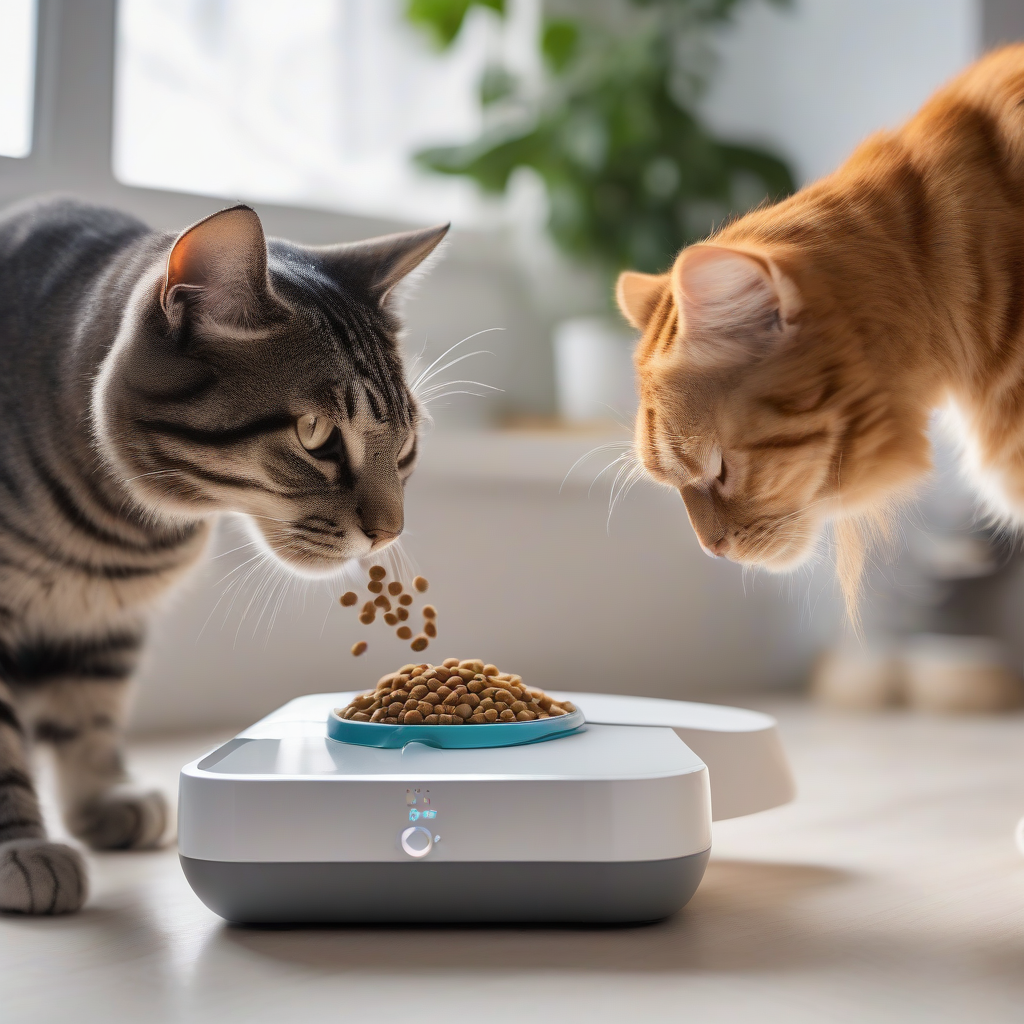
With advancements in technology, personalized cat nutrition has never been more accessible. Smart solutions gaining popularity in March 2026 simplify meal planning and tracking.
Apps and Data Tracking
Smartphone applications allow you to track your cat's feeding schedule, record weight changes, and even share nutritional data with your veterinarian. Some apps can even suggest food recommendations based on your cat's breed, age, and activity level.
Custom Food Formulas and Subscription Services
Many companies now offer subscription services that prepare custom food formulas based on your cat's genetic test results or specified health goals, delivering them right to your door. These services offer great convenience for busy cat owners, ensuring their cats always receive the most suitable nutrients.
Personalized nutrition is one of the most valuable investments you can make in your cat's health and happiness. By embracing this revolutionary trend of March 2026, you can help your furry friend live a long, healthy, and high-quality life. Remember, always consult your veterinarian for the most accurate information!