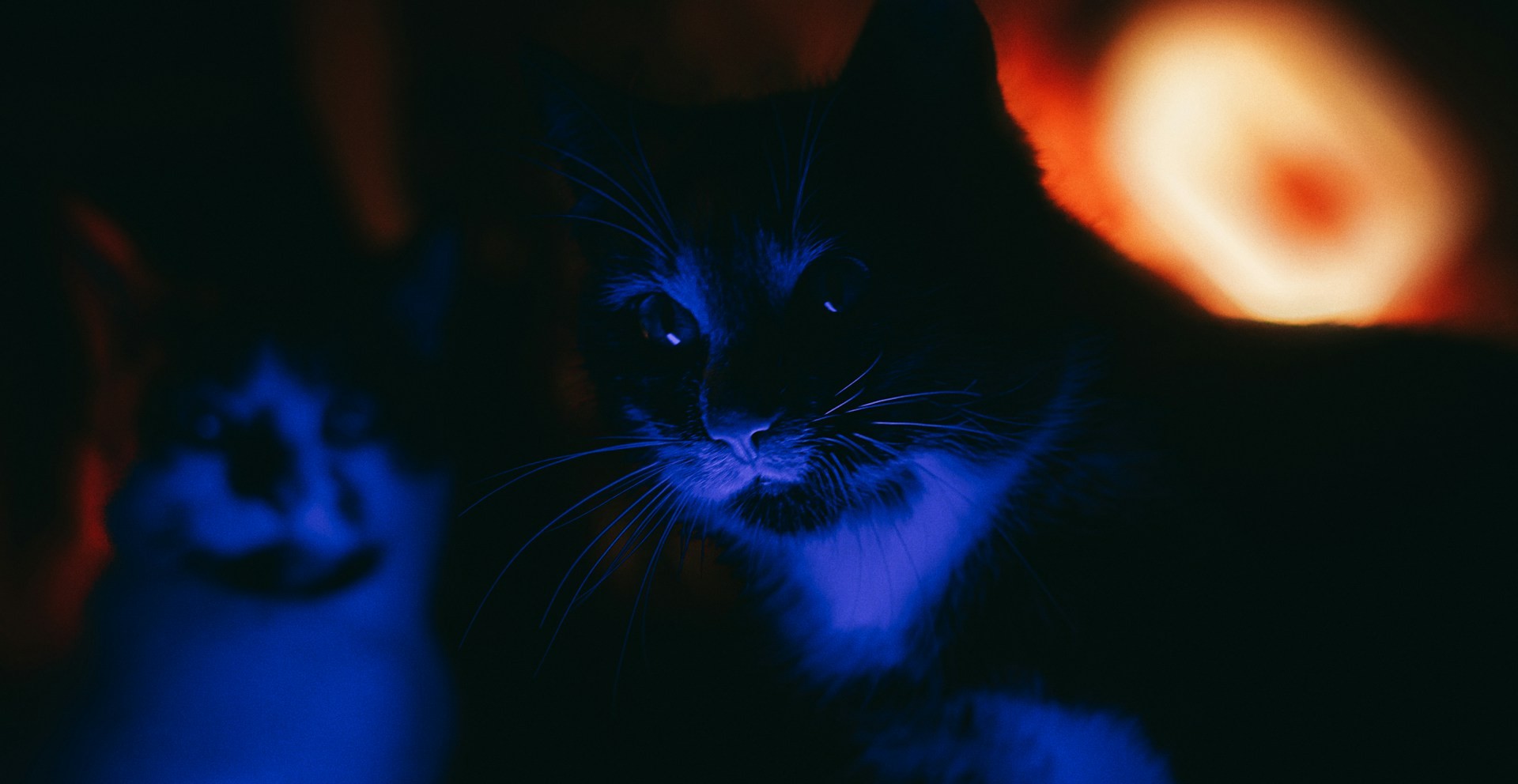
Why is My Cat So Active at Night?
Cats' night activity can create sleep problems for owners. Behind this behavior are natural instincts and various factors.
Natural Hunting Cycle
Cats are crepuscular animals, meaning they are most active during twilight hours (evening and morning). This coincides with the hours when prey animals (mice, birds) are most active in the wild.
Biological Clock
Cats' biological clocks are different from humans. Naturally, they have 16-hour sleep cycles, but this sleep is fragmented and scattered.
Energy Discharge
Especially young cats discharge the energy accumulated during the day at night. Inadequate physical activity increases this situation even more.
Hunting Instinct
Even house cats preserve their hunting instincts. They exhibit behaviors of catching toy prey and running around during night hours.
Environmental Stimulants
- Outside sounds (other animals, vehicles)
- Moving shadows
- Moonlight changes
- Presence of neighboring cats
Age Factor
While kittens show more night activity, old cats can be calmer. However, situations similar to dementia in old cats can create night restlessness.
Feeding Habits
Food given at late hours can activate cats. Also, hungry cats search for food at night.
Solution Strategies
Increasing Day Activity
- Use interactive toys
- Have regular play sessions
- Create climbing areas
- Use puzzle feeders
Feeding Schedule
- Give the main meal in the evening
- Leave a night snack
- Use automatic food bowls
Environmental Arrangements
- Close the curtains
- Keep away from noisy areas
- Prepare a comfortable sleep area
- Use a night light
Patience and Consistency
Behavior change at night takes time. Consistent routines and patience are required. Use positive reinforcement instead of punishment. It may not be possible to completely stop this natural behavior, but it is possible to manage it.