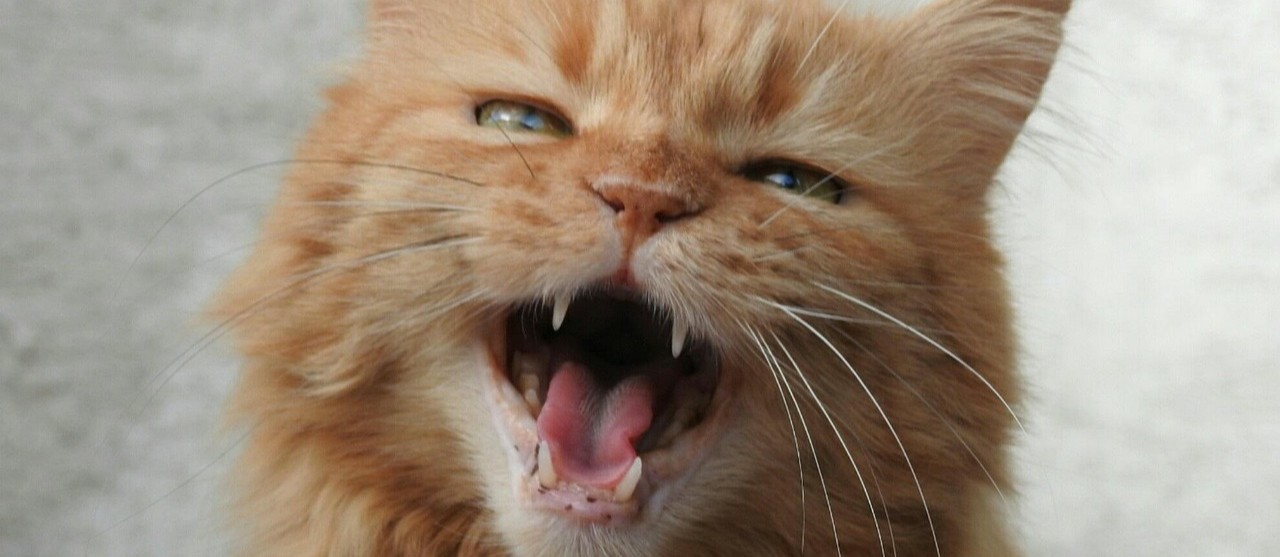
Cat meowing is the basic communication method, but excessive meowing can point to underlying problems. Every meowing can have different meanings.
Meowing as a Communication Language
Cats meow only to communicate with humans. They mostly communicate with other cats with body language and scents.
Meowing Types and Meanings
Short, Soft Meow
- Greeting
- Drawing attention
- Expression of satisfaction
Long, Loud Meow
- Expression of urgency
- Stating a demand
- Discomfort
Constant Meowing
- Stress
- Illness
- Old age (dementia)
- Hormonal changes
Causes of Increased Meowing
Basic Needs
- Hunger and thirst
- Litter box cleaning need
- Desire to go in/out
- Search for play and attention
Health Problems
- Hyperthyroidism (in elderly cats)
- Kidney diseases
- Pain and discomfort
- Hearing loss
- Cognitive dysfunction
Behavioral Causes
- Stress and anxiety
- Changes in the environment
- New family members
- Change in routine
- Loneliness
Breeding Period
Unneutered cats meow much more during the breeding period (heat).
Age Related Changes
Night meowing may increase in elderly cats. This situation is generally associated with changes in cognitive functions.
Solution Approaches
Check Basic Needs
- Food and water status
- Litter box cleaning
- Play and activity need
Environmental Changes
- Identify stress sources
- Create a calm environment
- Keep routines
- Provide enrichment
Health Check
A veterinary check is mandatory for a sudden increase in meowing. This situation should be taken seriously, especially in older cats.
Positive Reinforcement
Reward meowing at appropriate times, ignore it at inappropriate times.
Every cat's communication style is different, it is important to learn its normal behavior.