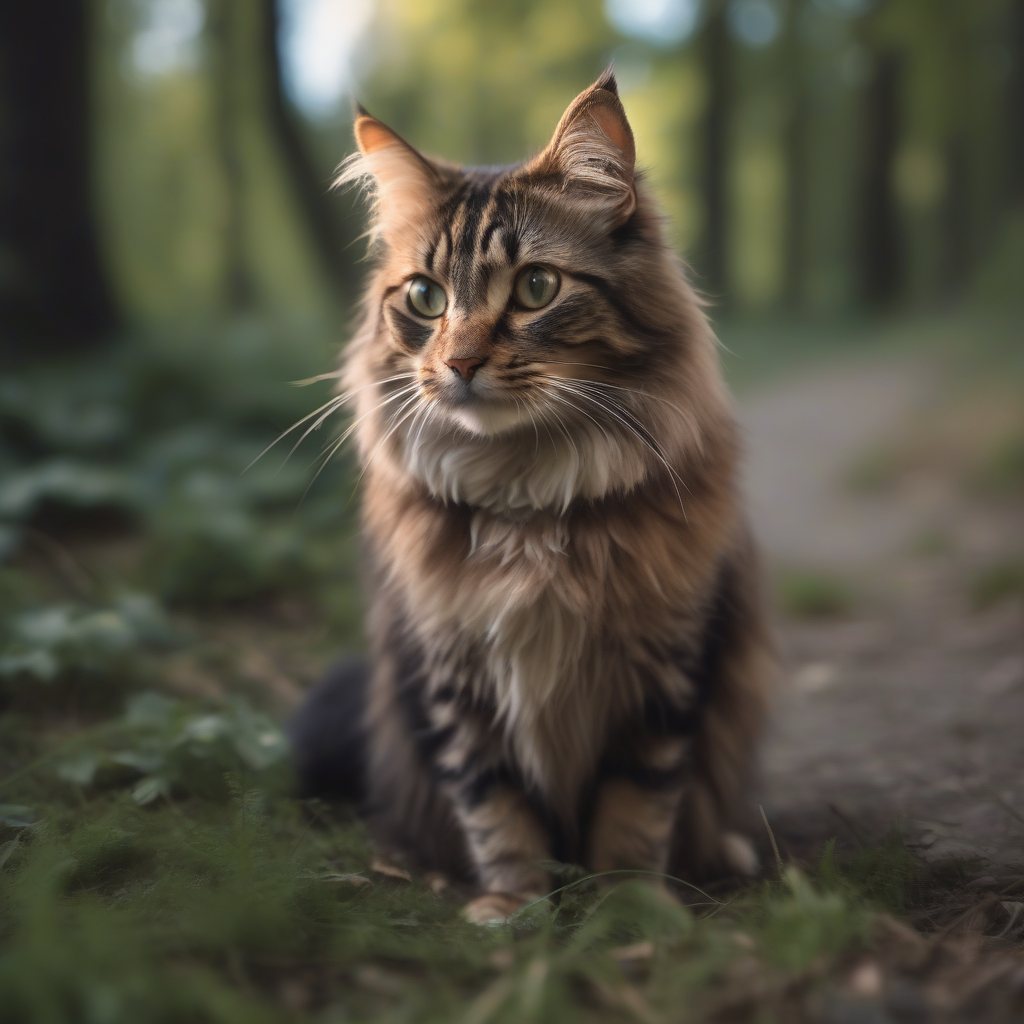
The Mysterious Sacred Source: The Vienna Forest Cat (Wienerwaldkatze)
One of the undiscovered treasures of the feline world is the mysterious Vienna Forest Cat (Wienerwaldkatze), residing in the depths of Austria's lush Vienna Woods. While detailed information about its origins is scarce, this elegant and resilient breed represents a unique heritage that has evolved in the silence of nature. Carrying the spirit of the forest, these cats captivate with their distinctive physical and characteristic traits.
The Mystery of Origin and Legends
Definitive information regarding the origins of the Vienna Forest Cat is limited. However, the region's history and geography have played a significant role in the development of this breed. The Vienna Woods are one of Central Europe's largest forest areas and have been a sanctuary for wildlife for thousands of years. This natural habitat allowed the cats to adapt to harsh conditions, developing a strong genetic structure.
Legend has it that these cats were known in the Middle Ages as the guardians of monasteries around Vienna. Believed to be associated with wisdom and silence, these felines were thought to protect the peace and mystery of the monasteries. Over time, they retreated into the depths of the forest, leading a more isolated life, and thus, while retaining a place in popular culture, they became a breed less recognized scientifically.
Physical Characteristics: A Reflection of Nature
The Vienna Forest Cat possesses distinct physical characteristics adapted to forest life:
- Build: They have a medium-sized, muscular, and agile build. Their long legs and strong chest allow them to move quickly and overcome obstacles in forested terrain.
- Coat: They have a dense, double-layered coat that is water-resistant. This coat, thicker and longer during winter months, protects them from cold and moisture. Their coloration typically harmonizes with the forest hues: shades of grey, brown, tabby, or black are common. Rarely, they may possess greenish or golden-yellow eyes.
- Tail: They have a medium-length, thick, and bushy tail. This tail plays a crucial role in maintaining balance and signaling danger.
- Facial Structure: They have a broad forehead, prominent cheekbones, and large, watchful eyes. Their ears are medium-sized and erect, enabling them to keenly perceive surrounding sounds.
Temperament and Behavior: Silent Observers and Loyal Companions
The Vienna Forest Cat exhibits a calm, intelligent, and independent temperament, mirroring the silence and observant nature of the forest.
- Independence: They enjoy their own company and do not crave excessive attention. However, this does not imply indifference; they form strong bonds with their loved ones and are exceptionally loyal.
- Intelligence and Curiosity: They are highly intelligent and curious creatures, loving to explore their surroundings and learn new things. This trait makes them trainable, and interactive play stimulates them mentally.
- Hunting Instinct: They are natural hunters. This instinct surfaces during play or when free-roaming, and their prowess in catching small rodents is noteworthy.
- Quiet Nature: They are generally quiet and do not meow unnecessarily, expressing their needs and emotions primarily through body language.
- Social Compatibility: When properly socialized, they can coexist well with other animals and children. However, they may be somewhat reserved and cautious around strangers.
Care and Health
The Vienna Forest Cat is generally a hardy breed. However, to ensure they lead a healthy and happy life, certain basic care needs must be met:
- Coat Care: Due to their dense, double coat, they require regular grooming. Brushing a few times a week helps remove dead hair and prevent matting. Brushing frequency should increase, especially during shedding seasons.
- Nutrition: They should be fed a high-quality, balanced cat food. Inspired by their predatory nature, a protein-rich diet is ideal. Fresh water must always be accessible.
- Exercise and Play: As physically active cats, they need ample space for exercise and opportunities for play at home. Climbing trees, toys, and interactive games help them expend energy and stay mentally stimulated.
- Health: They are generally a healthy breed. However, regular veterinary check-ups are essential, as they may have genetic predispositions to certain conditions. For instance, attention to dental health and regular cleaning are necessary.
- Living Environment: Given their affinity for forest life, a safe outdoor access or an indoor environment with ample windows and climbing structures is ideal.
Conclusion
The Vienna Forest Cat is a marvel of nature waiting to be discovered. These elegant and wise creatures, adapted to challenging conditions, can enrich our homes with their loyalty and calm demeanor. If you are seeking an extraordinary feline companion, you might consider stepping into the enchanting world of the Vienna Forest Cat.