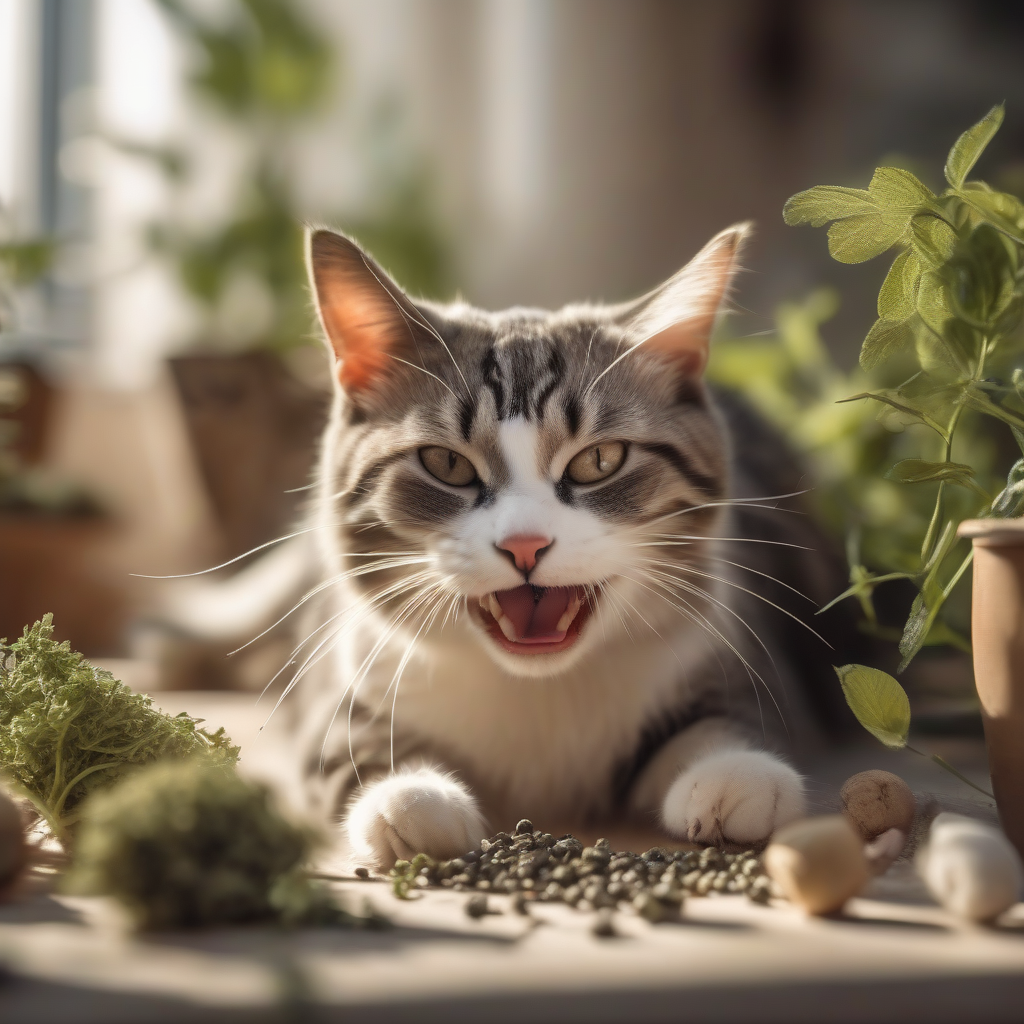
March 2026 Trend: Unveiling Your Cat's Mysterious Ecstasy – The Art of Safe Play with Catnip and Its Alternatives!
Cats, with their mysterious nature and unique personalities, bring joy into our lives as cherished furry companions. Ensuring their happiness and mental stimulation is a priority for every cat owner. As we step into March 2026, a new trend is emerging in the feline world: catnip and its fascinating alternatives, which trigger cats' instinctive reactions and elevate their playtime. In this article, we will delve into the scientific secrets of catnip, its safe use, and innovative alternatives that come into play, especially when catnip doesn't work for all felines. Our goal is to help you create a fun and safe play environment that supports both your furry friend's physical and mental health.
What is Catnip and How Does it Affect Cats?
Catnip (Nepeta cataria) is a mint-like plant belonging to the Lamiaceae family. However, what makes it so special for cats is a volatile compound called 'nepetalactone' found in its leaves and stems. When cats inhale or chew this compound, it triggers a chain of reactions through olfactory receptors in their brains. Nepetalactone mimics pheromones that stimulate the pleasure and reward centers in cats' brains, leading to behaviors such as euphoria, playfulness, rolling, rubbing, or sometimes even calmness.
The reaction cats have to catnip is a genetic predisposition. Research shows that approximately 70-80% of cats worldwide are sensitive to catnip. Kittens typically do not react when they are younger than 6 months, and this sensitivity can decrease with age. Reactions vary from cat to cat; some may run around and jump excitedly, while others might simply purr contentedly or even become more relaxed. Understanding these individual differences is the first step in personalizing your cat's catnip experience.
Tips for Safe and Effective Catnip Use
Using catnip safely ensures a pleasant experience for both you and your cat. Here's what you need to consider:
Quantity Control
Starting with a small amount is always best. Generally, a teaspoon of dried catnip or a few sprays is sufficient. Excessive use can lead to stomach upset, but it is not toxic.
Frequency of Use
To prevent your cat from developing a tolerance to catnip, it is recommended to use it a few times a week or on special occasions. Daily use may reduce its effectiveness.
Different Forms
Catnip can be found as dried herb, spray, or stuffed into toys. Sprays are ideal for making furniture or toys more appealing but should not be sprayed directly onto your cat.
When to Use?
It's a great tool for reducing stress during adaptation to a new home, before vet visits, or to encourage interaction with a new toy. It can also be used to promote exercise and alleviate boredom.
Storage Conditions
To maintain the freshness and potency of catnip, store it in an airtight container in a cool, dark place.
March 2026's Rising Trend: Catnip Alternatives
Some cats do not react to catnip or may lose interest over time. This is where March 2026's prominent alternatives come into play. These plants can also have similar, sometimes even more intense effects on cats, adding a new dimension to their playtime:
Valerian Root (Valeriana officinalis)
Known for its calming effect in humans, valerian root can create a similar euphoria or relaxation in cats as catnip. Although it has a strong, somewhat unpleasant odor to some, it is quite effective in attracting cats.
Silver Vine (Actinidia polygama)
Long used in Japan and East Asia, silver vine can have a stronger effect than catnip. In addition to nepetalakton, it contains compounds such as 'actinidine' and 'dihydroactinidiolide,' which can attract approximately 80% of cats that do not react to catnip. It is also believed to have benefits for dental health.
Tatami Plant (Matatabi/Japanese Catnip)
Matatabi, from the same family as silver vine, is usually found in stick or powder form. It causes reactions in cats such as increased energy, playfulness, and rolling. Like silver vine, it's an excellent alternative for cats that don't respond to nepetalakton.
Cat Thyme (Teucrium marum)
It is a milder stimulant and can have a calming effect on some cats. While it doesn't create as intense an effect as catnip, it's a good option for those looking for variety.
Olive Leaf Extract
A newly discovered trend, olive leaf extract can provide mild relaxation and calmness in some cats. It's worth trying to see how your cat reacts to different stimuli.
The Art of Integrating Alternatives into Playtime
Intelligently using catnip and its alternatives to enrich your cat's playtime ensures that your furry friend is both physically and mentally engaged:
Variety and Rotation
Regularly switch between different plants and forms to keep your cat's interest alive. You might try catnip one week and silver vine the next.
Interactive Toys
Stuff plants into toys or spray toys with the extracts. This encourages your cat to play more with toys and satisfies their hunting instincts.
Enrichment Strategies
Sprinkle plants in hidden places to stimulate your cat's exploration and hunting instincts. Provide mental stimulation by adding them to puzzle toys or treat-dispensing systems.
Observation and Your Cat's Preferences
Every cat is an individual. Observe which plant or form they react best to and adjust your strategy accordingly. Your cat's reactions are an important part of their happiness map.
Conclusion: Create the Best Experience for Your Furry Friend
March 2026 offers an opportunity to redefine your cat's playtime with scientific discoveries and natural alternatives. This rich world of plants, ranging from catnip and valerian root to silver vine and matatabi, can bring excitement, joy, and new discoveries into your furry friend's life. Remember, the key is always to prioritize your cat's safety and well-being, carefully observe their individual reactions, and offer them the most suitable experience. As Sen YuDo Pet, we will continue to share the latest information and innovative solutions to ensure your cat always lives a happy, healthy, and mentally stimulated life. Discover your cat's mysterious ecstasy with these special plants and give them unforgettable playtime moments!