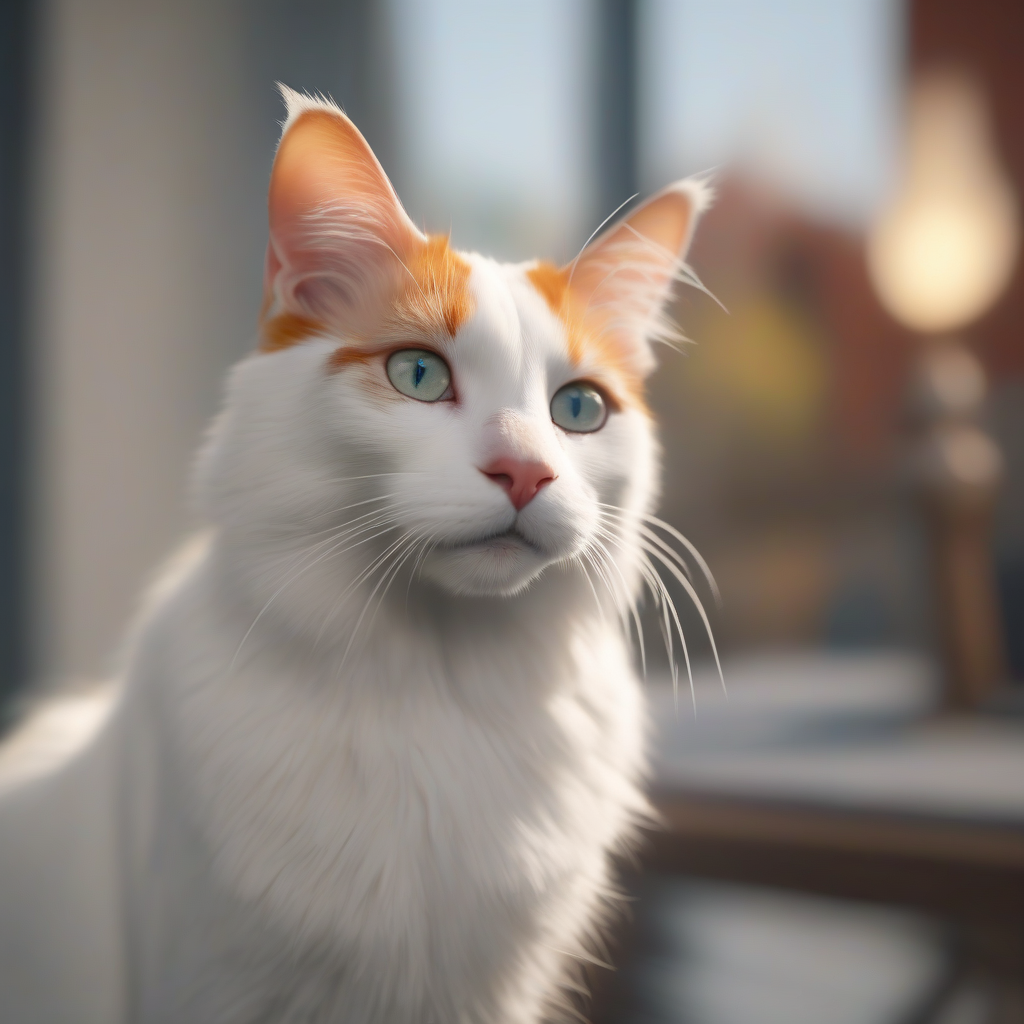
From A to Z Cats: Turkish Van Cat - The Magical Feline Treasure of the Lake
Are you ready to meet a cat breed that has a significant fan base among cat lovers, though not as widespread as some other breeds, possessing unique characteristics and a deep-rooted history? As Sen YuDo Pet, in this installment of our "From A to Z Cats" series, we introduce you to the Turkish Van Cat, which hails from the region around Lake Van, Turkey's largest lake, and carries the beauty and mystery of its namesake region.
Origin and History of the Van Cat
The Turkish Van cat's origin traces back to the area around Lake Van in Turkey, after which it is named. This breed is believed to have evolved naturally in the challenging climatic conditions of the region. The history of Van cats dates back centuries, perhaps to the ancient times of Anatolian civilizations. However, the breed's international recognition and standardization occurred in the mid-20th century.
A significant milestone in introducing the breed to the world was when an English cat lover, Laura Lushington, encountered two Van cats during a trip to Turkey in the 1950s. Captivated by their beauty, she brought them to England. These initial emigrants eventually led to them becoming a beloved breed in England and subsequently worldwide. However, during this introduction process, there were also controversial situations, such as the occasional crossbreeding of purebred Van cats in the West. Therefore, owning a purebred Van cat is important for maintaining its genetic integrity.
Physical Characteristics: A Rare Beauty Happy in Water
One of the most striking and defining features of the Turkish Van cat is its semi-long coat and distinctive color pattern. Typically, the body is white, with prominent colored markings on the tail and the top of the head. The most common pattern, known as the "Van pattern," features a stripe extending from between the ears to the nape of the neck, with the tail being entirely colored. Their eye colors vary widely, including green, amber, or different shades. They are also often found with heterochromia, meaning two different colored eyes, which adds to their mystical allure.
Their coat is double-layered. The undercoat is soft and dense, providing protection from the cold. The topcoat is longer, silky, and described as water-repellent. This water-repellent coat is one of the Van cat's most well-known and intriguing characteristics: unlike most cats, Van cats love water and even enjoy swimming! This trait sets them apart from other cat breeds and leads to them being known as "swimming cats."
In terms of size, they are medium to large. With a muscular and athletic build, Van cats are agile and strong. Their heads are slightly triangular, with large, erect ears. Their legs are medium in length and strong. Their overall appearance is elegant, yet robust and resilient.
Personality and Behavior: Intelligent, Energetic, and Affectionate
Turkish Van cats stand out not only for their physical beauty but also for their personalities. They are highly intelligent, curious, and energetic felines. They form a deep bond with their owners and generally enjoy being considered part of the family. Their playful nature allows them to get along well with children and other pets, although this compatibility often depends on early socialization.
Van cats are eager to explore everything around them. Solving puzzles, playing with toys, and interacting with their owners are a great pleasure for them. Their intelligence means they can learn simple commands, and some may even enjoy water-based games. This playful and energetic disposition indicates that they require ample activity and mental stimulation. Daily play sessions and amenities like climbing trees are important for their happiness and balance.
Their greater sociability and human-orientation compared to other cat breeds are noteworthy. They are generally friendly towards visitors, though they might initially be a bit reserved. Their devotion to their owners is undeniable; simply watching them, playing with them, or just sitting nearby is a delight.
Care and Health
The semi-long coat of Turkish Van cats requires regular grooming. Brushing them a few times a week helps reduce shedding and prevent matting. Shedding may increase during seasonal changes, so increasing grooming frequency during these periods can be beneficial. Regular nail trimming, ear checks, and attention to dental hygiene are also important for their overall health.
While generally a healthy breed, they may have certain genetic predispositions common to other breeds. Paying attention to their purebred status and the continuity of their lineage can help minimize potential health issues. Regular veterinary check-ups and a balanced diet are key to ensuring your Van cat lives a long and healthy life.
Conclusion: Your Life Will Be Enriched with a Van Cat
Turkish Van cats are a special breed that stands out not only for their stunning beauty but also for their affectionate, intelligent, and playful character. With their unusual relationship with water and rich history, living with them offers a unique experience. If you are looking for an active, loving, and distinctive companion for your home, the Turkish Van cat might be the right choice for you. This enchanting feline treasure is ready to add joy and adventure to your life!