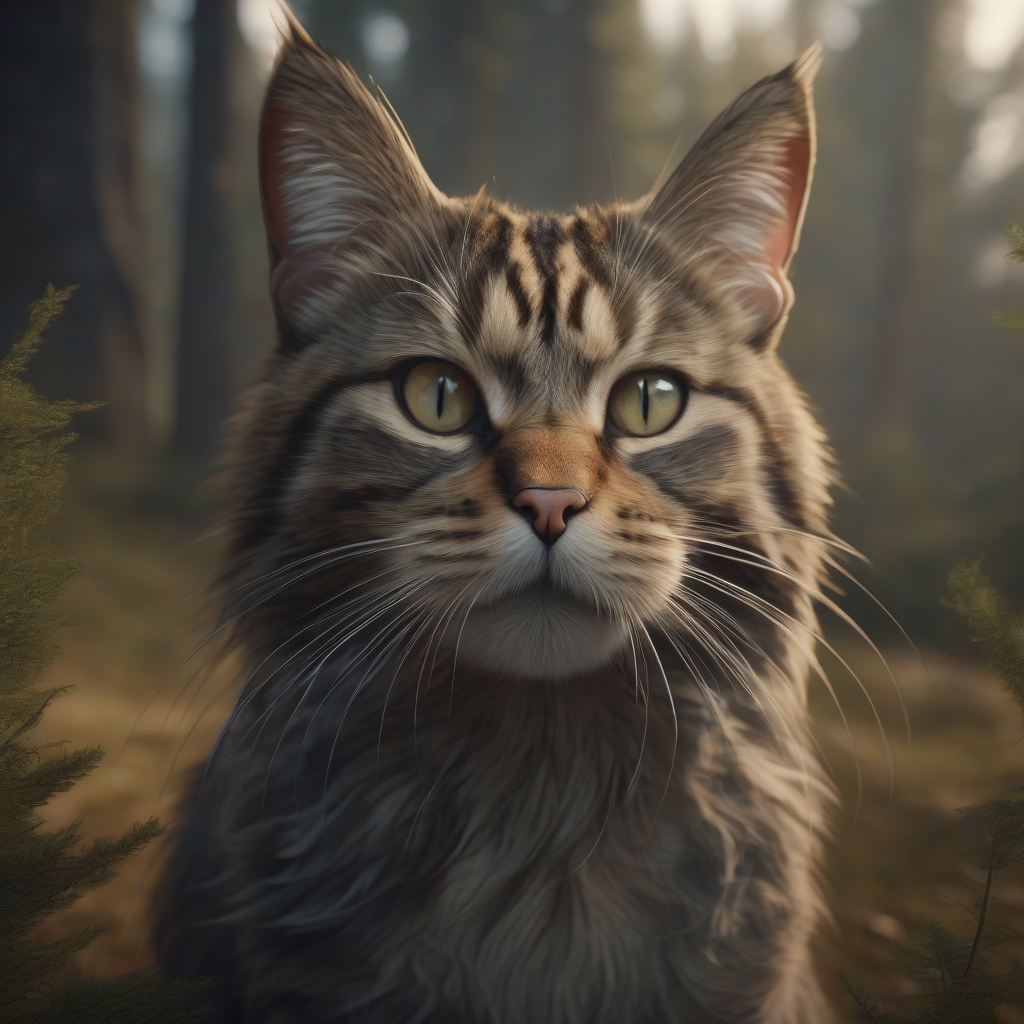
Tunguska Cat: The Silent Legacy of Siberia's Ancient Forests
In the captivating world of felines, each breed carries its own unique story, a geography, and a distinct personality. Today, we will delve into a legend that emerges from the heart of Siberia, from the depths of its wild nature, rarely touched by human hands: the Tunguska cat.
A Mystery in the Depths of Origins
The origins of the Tunguska cat are rooted in the region where the famed Tunguska Event, a cataclysmic event that occurred in the early 20th century in the vast taiga forests of Siberia, took place. This natural disaster, still not fully understood, is believed to have been caused by the impact of a massive meteor or comet. The unique and challenging ecosystem created by this event necessitated that any surviving life forms would also be resilient and highly adapted. The Tunguska cat is thus considered a species that evolved under these harsh conditions, capable of withstanding the adversities of nature.
While its recognition as a distinct cat breed is more recent, these cats are believed to have existed within the local Siberian populations for thousands of years. Their adaptation to the rigors of the wild has endowed them with characteristics that set them apart from other domestic cats.
Physical Characteristics: A Reflection of Wild Grace
As products of natural selection, Tunguska cats possess physical traits that have enabled their survival. Generally medium to large in size, these cats have a strong, muscular build. This physique allows them to hunt effectively and move with agility across rugged terrain.
- Coat: One of their most striking features is their dense, double-layered coat, designed to protect them from Siberia's freezing winters. The outer layer is water-repellent and protective, while the undercoat provides insulation. Their fur can come in various colors and patterns, with shades of brown, gray, black, and tabby markings being common. The coat may also thicken seasonally.
- Eyes: They typically have bright green or golden eyes, which help them spot prey easily even in the dim light of the forest.
- Ears and Paws: Their ears are usually medium-sized with slightly rounded tips. Their paw pads are thick and resilient, making them suitable for walking on cold surfaces.
- Tail: Their tails are generally of medium length and well-furred, playing a crucial role in maintaining their balance.
Temperament and Behavior: Independent-Spirited Companions
Due to their wild ancestry, Tunguska cats are generally independent and self-sufficient. However, this does not mean they are unloving or unsociable. With proper socialization, they can form strong bonds with humans and become loyal companions. Nevertheless, rather than being purely lap cats, they often prefer their personal space to be respected.
- Intelligence and Hunting Instinct: They are highly intelligent and curious. Their strong hunting instincts make them playful and eager to constantly explore their surroundings. Even indoors, they can experience the same thrill of the hunt with a toy mouse.
- Stealth and Observation: To survive in the wild, they have developed the ability to move stealthily and observe their environment with great care. These traits also make them calmer and more observant pets at home.
- Socialization: When socialized from kittenhood, they can get along well with humans and other pets. However, they might be a bit reserved towards strangers, and gaining their trust may take time.
Care and Health: Protected by Nature
As a product of natural selection, Tunguska cats are generally very healthy. They are often more resistant to genetic diseases compared to some other purebred breeds. However, like all cats, regular care and veterinary check-ups are essential for a healthy life.
- Grooming: Their dense, double coat requires regular brushing. This grooming is especially important during shedding seasons to prevent matting and keep their fur healthy. Brushing a few times a week is recommended.
- Nutrition: A balanced, high-quality diet is critical for their overall health. Protein-rich foods that mimic their natural dietary habits should be preferred.
- Exercise and Stimulation: Despite their independent nature, their intelligence and energy levels necessitate mental and physical stimulation. A variety of toys, climbing structures, and interactive games can prevent boredom and help them expend their energy constructively.
- Health Checks: Regular veterinary visits, vaccinations, and parasite control are vital for early detection and prevention of potential health issues.
Conclusion
The Tunguska cat is a legacy of Siberia's challenging and captivating wilderness. With its independent spirit, resilient nature, and unique beauty, it is an exceptional candidate for a feline companion. If you are a patient, understanding individual who can respect your cat's independence, the Tunguska cat can bring a quiet miracle into your home. This mysterious breed is one of nature's most precious gifts, and the value they add to our lives is immeasurable.