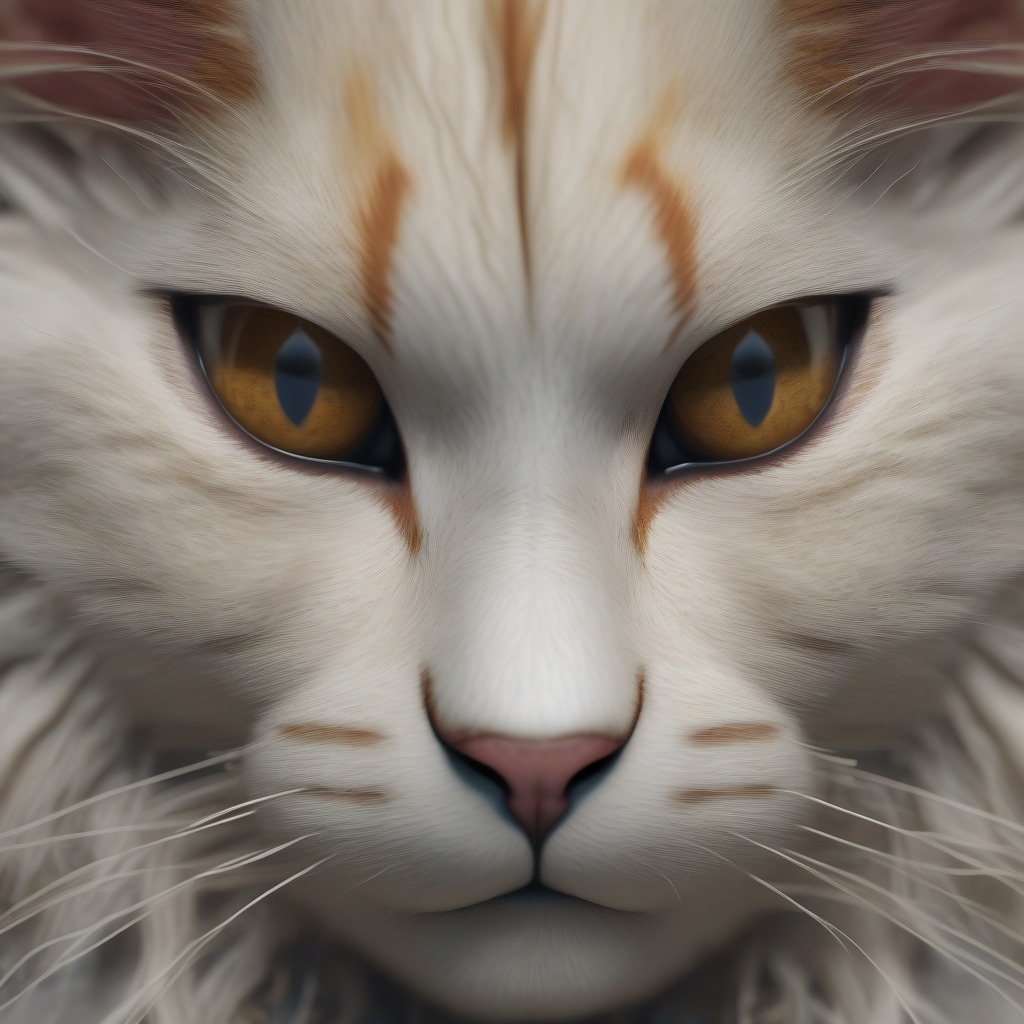
Tibetan Cat Breed: Mysterious Fur and Calm Demeanor
The Tibetan cat, a breed with unique beauty and a calm temperament, has existed for centuries in the mystical and serene environment of the Himalayas. Often rare and not widely known, Tibetan cats continue to pique the curiosity of cat lovers. In this article, we will delve into every aspect of Tibetan cats, from their origins and character traits to their physical structure and care needs.
Origins and History
The origins of Tibetan cats, as their name suggests, lie in the high-altitude and challenging geography of Tibet. It is believed that the history of these cats dates back thousands of years to Buddhist monasteries. These cats, considered sacred in monasteries, were reportedly viewed as spiritual beings and protected by monks. While clues about these cats can be found in ancient texts and manuscripts, their introduction to the Western world occurred much later. Their long existence in isolation in their natural habitat has made them unique both physically and genetically.
Physical Characteristics
Tibetan cats are medium-sized, muscular, and sturdy. Their bodies are elegant and balanced. Their most striking physical feature is their double-layered, long, and silky fur, which helps them adapt to cold climates. Their fur color and pattern can vary widely, including grey, blue, cream, black, white, and tabby. Their eyes are large, round, and almond-shaped, often in shades of amber, green, or blue, giving them a captivating gaze. Their ears are medium-sized, erect, and slightly rounded at the tips. Their tails are long and bushy, usually proportional to their bodies.
Temperament and Personality
Tibetan cats are known for their calm, independent, and gentle nature. They are generally resistant to stress and dislike noisy environments. They possess high intelligence and enjoy observing their surroundings. They can be very loyal and affectionate towards their owners, but they express it subtly. They prefer a quiet closeness and a peaceful relationship. They enjoy playing but are less energetic than breeds like the British Shorthair. They generally get along well with children and other pets, but a patient and controlled approach is important during initial introductions.
Care
The long, silky fur of Tibetan cats requires regular grooming. Brushing several times a week is necessary to prevent matting and reduce shedding. Shedding may increase during seasonal changes, in which case grooming frequency should be increased. Regular nail trimming, ear cleaning, and wiping around the eyes with a damp cloth are part of their general grooming routine. For their diet, balanced, high-quality cat food is recommended. A food choice suitable for your cat's age, activity level, and overall health should be made in consultation with your veterinarian.
Health Conditions
Tibetan cats are generally healthy and long-lived. While they may have some genetic predispositions common to purebred cats, these are less prevalent in Tibetan cats. Regular veterinary check-ups, adherence to vaccination schedules, and a healthy lifestyle help in early diagnosis and prevention of potential health issues. Generally, attention should be paid to common feline ailments such as eye and ear infections, and dental health problems.
Conclusion
With their calm lifestyle, elegant appearance, and loving nature, Tibetan cats can make wonderful companions. If you are looking for a quiet, serene, and independent cat, the Tibetan cat might be the right choice for you. Embracing their mysterious world will offer you a friendship filled with peace and love. Adopting this rare breed means providing them with a loving home and contributing to the continuation of these unique beauties.