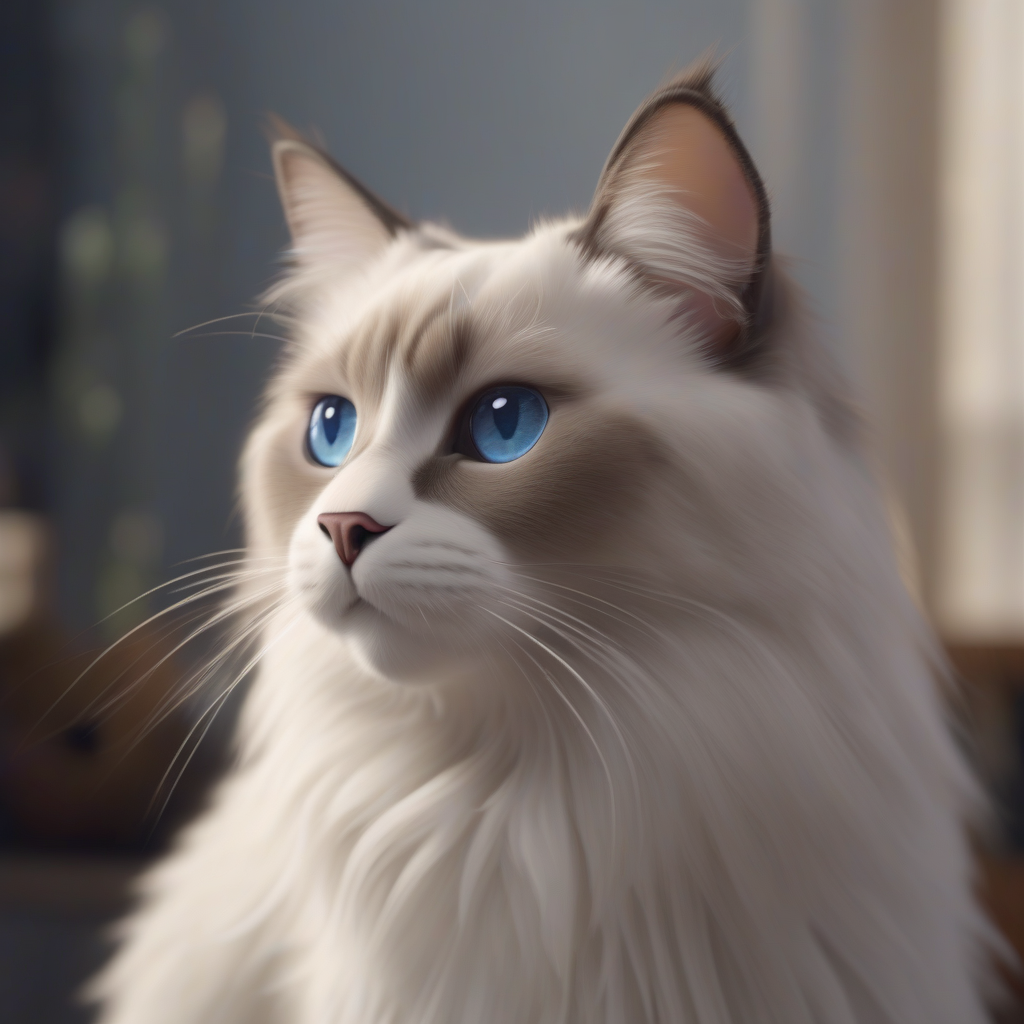
The Ragdoll Cat: A Deep Dive into the Gentle Giants
Ragdoll cats are one of the most popular cat breeds in the world, known for their stunning blue eyes, plush coats, and especially their docile, "ragdoll-like" temperament. They get their name from their tendency to go limp and relax like a rag doll when picked up. These gentle giants make ideal pets thanks to their calm nature and strong bonds with humans. In this installment of our "Cats from A to Z" series, we will take a deep dive into the fascinating world of Ragdoll cats, discovering everything you need to know about this unique breed, from their origins to their care requirements, health, and characteristic traits.
Origin and History
The story of the Ragdoll breed begins in the early 1960s in California with a cat breeder named Ann Baker. Baker owned a female cat named Josephine, a semi-feral cat believed to be a Persian mix. When Josephine began producing docile and calm kittens, Baker embarked on a selective breeding program to preserve and enhance this special temperament. Using one of Josephine's offspring (likely a black Persian-mix male) and later another offspring (a pointed Burmese-type male), she produced the first known Ragdolls: Daddy Warbucks, Fugianna, and Buckwheat. Ann Baker took out a series of registrations and patents, even holding the copyright for the name "Ragdoll" to protect the breed's unique genetic makeup. Initially surrounded by an air of mystery, the breed gradually moved beyond Baker's strict rules and became recognized worldwide with contributions from other breeders. Today, Ragdolls have become a highly stable breed, with their coat lengths, eye colors, and overall temperament well-established. Their "rag doll" nickname is a direct result of Ann Baker's meticulous work.
Physical Characteristics
Ragdolls are one of the largest and most striking breeds in the feline world. They typically take 3-4 years to reach their full size, with adult males weighing between 6-9 kilograms (13-20 pounds) and females 4-7 kilograms (9-15 pounds). Their body structure is muscular and sturdy, but their long fur adds to their elegant appearance. Ragdolls have semi-long, silky, and plush coats. Since they lack an undercoat, their fur is less prone to matting, but it still requires regular grooming. One of their most distinctive physical features is their consistently mesmerizing blue eyes. Their eyes are usually large and oval, giving their facial expressions a warm and affectionate look. Colorpoint patterns are another characteristic trait of Ragdolls. The extremities of their bodies (ears, paws, tail, and facial mask) are darker in color, while the rest of the body is lighter. These color points can come in various shades:
- Seal Point: Dark brown points.
- Blue Point: Blue-gray points.
- Chocolate Point: Milk chocolate brown points.
- Lilac Point: Pinkish-gray points.
- Red (Flame) Point: Reddish-orange points.
- Cream Point: Light cream points.
In addition to these main colors, patterns such as Lynx (Tabby) Point and Tortie Point can also be seen. Furthermore, different pattern variations like "mitted" (white paws and chin), "bicolor" (inverted V-shaped facial pattern and white legs), and "colorpoint" (color only on the points) are also present. Their shedding rate is moderate, but it can increase during shedding seasons (spring and autumn). Overall, Ragdolls are elegant, majestic, and incredibly appealing cats.
Temperament and Personality
Ragdoll cats capture hearts not only with their beauty but also with their unique personalities. They are rightfully called "gentle giants" or "doll-like cats." Their temperament is exceptionally calm, docile, and affectionate. They generally prefer to quietly follow their owners around the house, lie beside them, or purr on laps, rather than being overly active. Ragdolls are not hyperactive, but they do enjoy playing. They particularly enjoy interactive toys or feather wands. One of their most striking traits is their tendency to follow their owners everywhere, much like a puppy, and their love for attention.
They get along extraordinarily well with children and other pets (especially cat-friendly dogs). Aggressive tendencies are almost nonexistent; they rarely scratch or bite. They can patiently tolerate gentle play from children. Thanks to their welcoming nature, they are usually curious and friendly towards strangers visiting the home, rather than being timid. Their intelligence allows them to learn simple commands and even play "fetch." Their vocalizations are generally soft and melodic; they prefer to communicate with gentle purrs and chirps rather than loud meows. These characteristics make Ragdolls an excellent choice for apartment living and families with children.
Care Needs
The semi-long, silky coat of Ragdoll cats maintains its best appearance with regular care. Although they lack an undercoat, it is recommended to brush them at least 2-3 times a week to prevent matting and tangles. This frequency can be increased, especially during shedding seasons (spring and autumn). A soft cat brush or a metal comb will make grooming easier. Regular brushing also helps reduce hairball issues and keeps shedding under control.
Other important grooming routines include nail trimming. Trimming their nails every 2-3 weeks prevents damage to furniture and maintains paw health. Dental health is also crucial; ideally, their teeth should be brushed daily or several times a week with cat-specific toothpaste and a brush. This prevents gum disease and plaque buildup. Their ears should be checked weekly, and if there is any dirt or redness, they should be gently cleaned with a vet-approved ear cleaner. Wiping away any discharge around the eyes with a damp cloth also reduces the risk of infection. Ragdolls are generally tolerant of water, so a gentle bath can be given when necessary. Starting grooming routines at an early age will help your cat get accustomed to these procedures and make future care easier.
Nutrition
As Ragdoll cats have a large and muscular build, they require a high-quality and balanced diet to maintain healthy development and an ideal weight. It's important to choose a dry or wet food that is high in protein and quality ingredients, suitable for your cat's age, activity level, and health status. Some Ragdolls can be prone to obesity, so portion control and careful monitoring of food intake are necessary. It's advisable to seek advice from your veterinarian regarding the most suitable feeding plan and food brand for your cat's needs.
Constant access to fresh and clean water is vital. Cats often don't drink enough water, which can lead to urinary tract problems. Using water fountains or multiple water bowls can encourage your cat to drink more. Treats should be used sparingly and should not replace main meals. Since Ragdolls can have sensitive digestive systems, making gradual transitions when changing food types will help prevent stomach upset. Regular nutrition is critical for a healthy coat, energy levels, and overall quality of life.
Health
Ragdoll cats are generally considered a healthy breed and can live for an average of 12-17 years. However, like all purebreds, they can be predisposed to certain genetic health issues. The most important of these issues include:
- Hypertrophic Cardiomyopathy (HCM): This condition, characterized by a thickening of the heart muscle, is the most common heart disease seen in cats. Ragdolls can be genetically predisposed to HCM. Responsible breeders should screen their cats for HCM before including them in breeding programs.
- Polycystic Kidney Disease (PKD): This is a genetic kidney disease characterized by the formation of cysts in the kidneys. Again, good breeders should perform genetic tests to prevent the spread of PKD.
- Urinary Tract Stones/Crystals: Ragdolls can be prone to developing urinary tract stones or crystals, especially if not properly nourished or if they don't drink enough water.
Regular veterinary check-ups are essential for the early diagnosis and management of these potential health problems. Annual health checks, vaccinations, and parasite control will help your cat live a long and healthy life. If any behavioral changes, loss of appetite, or unusual symptoms are noticed, it is important to contact a veterinarian without delay. A quality life can be achieved with proper nutrition, adequate exercise, and a loving environment.
Living Environment
Ragdoll cats are perfectly adapted to indoor living thanks to their calm and harmonious nature. A safe and comfortable indoor environment is ideal for keeping them happy and healthy. Their inclination to go outside is not very high, but if you have a balcony or garden, they can be allowed to breathe fresh air with appropriate safety measures (cat netting, enclosed space). Providing protection against falls from heights or outdoor dangers is essential.
Ragdolls love to socialize and spend time with their families. Avoiding leaving them alone for long periods will reduce their anxiety. Providing various toys that encourage play, scratching posts, and cat trees is important for physical and mental stimulation. These gentle giants thrive in a peaceful home environment with plenty of love and attention. The most important thing for them is human interaction and feeling like a part of the family. They can be sensitive to loud environments or sudden changes, so creating a serene atmosphere at home is important.
Conclusion
Ragdoll cats are truly special companions with their beauty, affectionate nature, and deep bonds with humans. Their tendency to relax in your lap like their name suggests, their compatibility with children, and their ability to get along well with other pets make them an ideal choice for modern homes. If you are looking for a gentle, loving, relatively low-maintenance (in terms of shedding) and striking friend for your home, the Ragdoll cat might be the perfect choice for you. When you provide them with love, care, and proper attention, you can be sure to be rewarded with years of unconditional love and happiness. Remember, every cat is an individual, but the general traits of the Ragdoll breed offer a generous temperament that truly makes them "ragdolls." As Sen YuDo Pet, we wish all our feline friends a healthy and happy life!