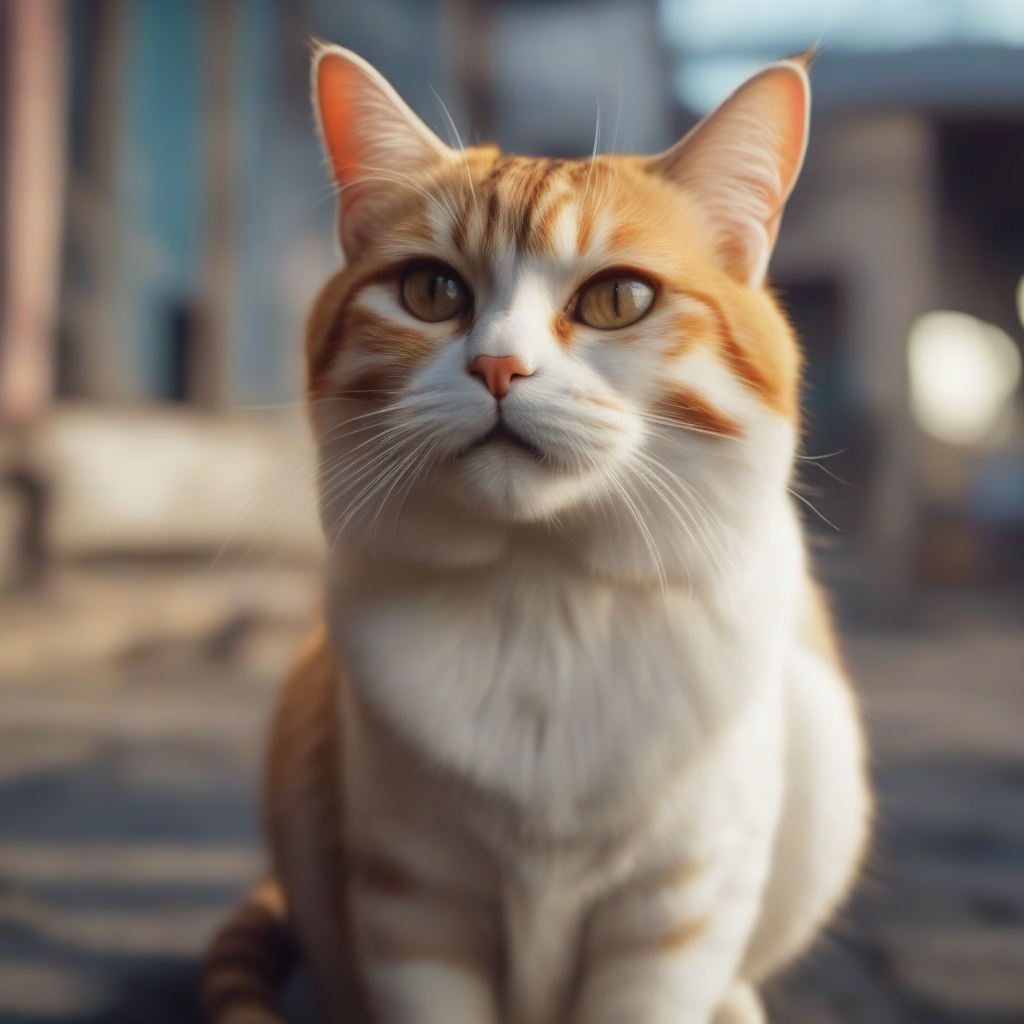
A to Z Cats: The Punjabi Cat – Robust and Mysterious Heritage of the Indian Subcontinent
In the vast world of felines, there exist many natural breeds about which little is known, yet they stand out with their resilience, elegance, and unique character. One such breed is the Punjabi Cat, originating from the heart of the Indian Subcontinent, specifically the fertile region of Punjab. Unlike many exotic or glamorous cat breeds, the Punjabi Cat is a landrace feline that has lived alongside humans for centuries, adapting to the challenging climate and geography, shaped by its own natural selection processes. At Sen YuDo Pet, we aim to get to know these mysterious companions intimately and open a window into their unique world.
Origins and History of the Punjabi Cat
Punjab is a historically and culturally rich region of the Indian Subcontinent, known for its fertile lands watered by five major rivers. This region is currently divided between India and Pakistan. While there are no written records regarding the precise origins of the Punjabi Cat, it is estimated that they have existed in the region for thousands of years. These cats most likely gathered around human settlements to control local rodent and pest populations, eventually entering into the process of domestication over time.
Unlike many purebred cat breeds we know today, the Punjabi Cat was not developed through intentional breeding programs or according to specific standards. Instead, it is a product of natural selection and environmental adaptation. This explains why they are incredibly robust, resistant to diseases, and perfectly adapted to the regional climate. They are true masters of survival, having successfully adapted to Punjab's hot summers and cold winters, arid plains, and humid agricultural lands. Their genetic diversity is a key factor that protects them from many hereditary diseases.
Physical Characteristics: A Sturdy Build and Intelligent Gaze
The Punjabi Cat typically possesses a medium to large size, with a muscular and sturdy build. Their bodies are well-balanced and strong, enabling them to be agile and skilled hunters. Their fur can vary to suit the region's climate; they can have short and dense coats, or individuals with longer, woollier fur may be observed, particularly to provide protection during cold winter months. Generally, their coats are weather-resistant and double-layered.
There is a wide variety of colors and patterns. Classic tabby patterns (spotted, striped, or marbled) are common, but solid-colored or bi-colored cats in shades of black, white, cream, brown, and grey can also be found. Their eye colors are usually in shades of gold, green, or copper, exhibiting an intelligent and alert expression. Their ears are medium-sized, slightly pointed at the tips, and usually stand erect. Their tails are generally medium length and bushy, proportionate to their bodies, and help them maintain balance. Their overall appearance combines both a wild elegance and a domesticated warmth, much like a reflection of their natural environment.
Character and Temperament: Independent Yet Loyal
The character of the Punjabi Cat has been shaped by the challenges of its environment and natural selection. These cats are generally independent, intelligent, and agile. They have high energy levels and thoroughly enjoy playing, which keeps them mentally and physically active. Their hunting instincts are highly developed, and they are adept at catching small prey animals.
In their interactions with humans, they might be somewhat reserved and distant initially, but once they trust you, they become incredibly affectionate and loyal companions. They form strong bonds with family members and can be quite protective. While generally reserved with strangers, they rarely exhibit aggressive behavior. They can get along well with children and other cat-friendly pets, but early socialization is crucial. Their independent nature makes them ideal companions who can keep themselves occupied during the day but also enjoy snuggling on a lap and receiving affection in the evenings. They can lead a calm and harmonious life, but they may be prone to mischief when bored.
Care and Health: Natural Robustness
The Punjabi Cat, as an advantage of natural selection, is generally a very robust and healthy breed. Due to their broad genetic pool, they may be less susceptible to certain inherited diseases common in purebred cats. However, like all cats, regular veterinary check-ups, parasite protection, a balanced diet, and an active lifestyle are vital for them to live a long and healthy life. Their average lifespan can be 12-15 years or more.
Grooming needs vary with coat length. Short-haired individuals require weekly brushing, while longer-haired cats may need more frequent brushing to prevent matting and reduce shedding. More intense brushing may be needed during shedding seasons. Paying attention to dental health, regular nail trimming, and ear cleaning should also be part of the general care routine. Punjabi Cats generally have a low tendency to gain weight due to their active nature, but overfeeding and inactivity should still be avoided. A high-quality, nutrient-rich cat food is essential to meet their energy requirements.
Living with a Punjabi Cat
Living with a Punjabi Cat offers you both the free spirit of an independent companion and the warmth of a loyal friend. These cats need ample space or sturdy cat trees where they can satisfy their natural instincts for climbing, jumping, and exploring. Puzzle toys and interactive play are excellent for providing mental stimulation and preventing boredom. Being intelligent, they enjoy learning new things and solving puzzles.
Thanks to their adaptable nature, Punjabi Cats can thrive in both apartments and homes with gardens, but they are often happier with outdoor access, which allows them to satisfy their natural hunting instincts. However, if they go outdoors, precautions should be taken for their safety; they should be microchipped and regularly checked by a veterinarian. Their strong hunting instincts mean they might prey on birds and small mammals. Therefore, providing a safe outdoor environment or leash training might be considered if they are allowed outside. With patience and consistency, they can learn basic commands and even get accustomed to leash walks.
Conclusion
The Punjabi Cat is a lesser-known yet truly deserving cat breed that hails from the mysterious and rich cultural heritage of the Indian Subcontinent. With its robust build, intelligent gaze, and independent yet loyal character, it offers a unique option for those seeking a feline companion. Their natural beauty, resilient structure, and harmonious temperament make them wonderful family members. At Sen YuDo Pet, we believe these natural beauties deserve recognition and introduction to a wider audience. If you seek an adventurous spirit and a sturdy friend, the Punjabi Cat could be the perfect choice for you.