A-Z Cats: The Vesuviana Cat – A Lost Beauty in the Shadow of Vesuvius
In the enigmatic world of felines, some breeds are widely recognized under bright spotlights, while others endure as legendary whispers, lost in the dusty pages of history. One such rare and captivating breed is the Vesuviana Cat. This is a legendary, rarely documented cat breed believed to have originated in and around Naples, Southern Italy. Named after the region's iconic volcano, Mount Vesuvius, these mysterious felines represent a lost heritage buried deep within historical records. At Sen YuDo Pet, we continue to trace the paw prints of our ancient feline companions, and today, we want to introduce you to this lost beauty from the shadow of Vesuvius.
History and Origin
The history of the Vesuviana Cat is intimately intertwined with the rich culture of Naples, extending back to the Roman Empire era. Mentioned in ancient texts and local folklore of the region, these cats are believed to have descended from a cross between felines brought by Roman legionaries from Egypt and local European wildcats. This suggests they might have carried both the elegant lines of the East and the robust spirit of Europe. They were particularly valued in the fertile agricultural lands around Vesuvius as agile and intelligent hunters, providing protection to farmers from rodents and other pests. Ancient Romans might have adopted them not only for pest control but also as sacred animals believed to bring good fortune and prosperity to their homes. Unfortunately, their population dwindled over time, perhaps erased by natural disasters, wars, or the rise of more dominant cat breeds. Whether they still exist today is unknown. While some cat historians and locals consider them merely a legend, others believe that rare specimens might still live in the hidden corners of Naples, especially in rural areas, maintaining their genetic heritage.
Physical Characteristics
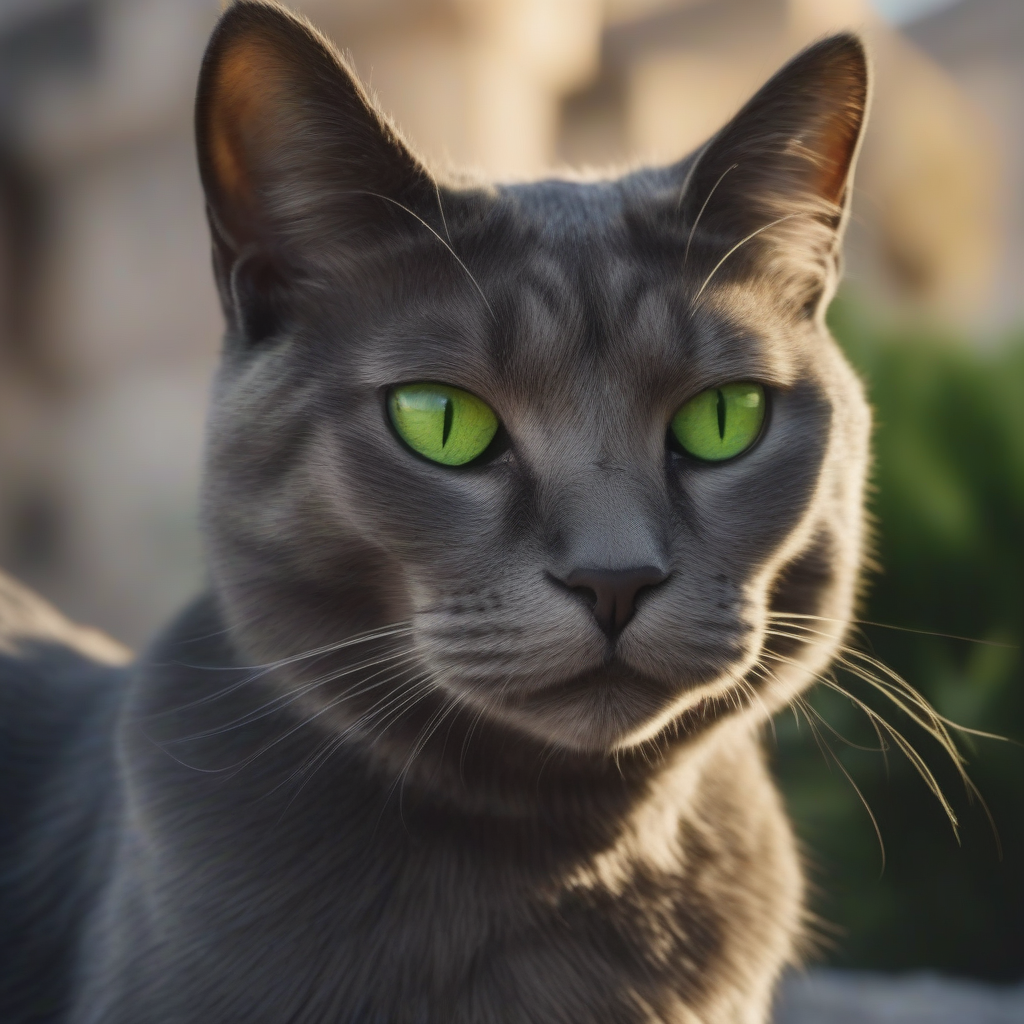
While there is no definitive information regarding the physical characteristics of the Vesuviana Cat, ancient depictions and written sources offer some clues. They are thought to have been medium-sized, muscular, and elegant in build, reflecting both their strength and agility. Their coats were reportedly short, dense, and shiny, often described in smoky greys, dark browns, and black tones, colors that reflect the volcanic soil of Vesuvius. These coat patterns might have provided excellent camouflage in their natural habitat. Their eye colors were said to be bright green or amber, reflecting their intelligence and agile hunting nature, suggesting they possessed striking gazes. Their ears were medium-sized and erect, and their tails long and slender in proportion to their bodies. Their agile and athletic structure allowed them to navigate and hunt with ease in the challenging Mediterranean landscape, across rugged terrains and ancient city streets.
Character and Temperament
Vesuviana Cats are rumored to have possessed an independent spirit inherited from their wild ancestors, combined with an affectionate temperament derived from strong bonds with humans. They were described as intelligent, curious, and playful, while also being quite loyal and protective towards their owners. This dual nature made them both an intriguing companion and a skilled hunter. Their highly developed hunting instincts meant they enjoyed playing with moving toys and needed mental stimulation. Among the people of Naples, there were widespread beliefs that Vesuviana Cats brought good luck and prosperity to their homes and warded off evil spirits. Although they might have been reserved with strangers initially, they could be very affectionate, warm, and even cuddly with people they trusted. Their presence would have added peace and vibrancy to the household.
Care Needs
If the Vesuviana Cat were to exist today, their short and dense coat would require minimal grooming. Weekly brushing would help remove dead hairs and keep their coats shiny. Given their active nature, providing ample exercise and mental stimulation would be crucial. They would need opportunities for climbing, jumping, and exploration. Due to their strong hunting instincts, offering them climbing structures, scratching posts, and interactive toys would be vital. A healthy diet and regular veterinary check-ups would also be essential for their overall well-being. Although adapted to the warm climate of Naples, they would need all their basic needs met for a balanced life in a modern home environment.
Conclusion
The Vesuviana Cat retains its allure as a mysterious cat breed lost in the dusty pages of history. While there is no definitive proof of their existence, they continue to live on in the heart of Naples and in local legends. This lost beauty reminds us how deeply rooted cats are in history and that some secrets can transcend time. Perhaps one day, at the foothills of Vesuvius, a descendant of these graceful and noble cats will emerge with bright eyes, carrying the legacy of the past into the present. At Sen YuDo Pet, we will continue to bring you the unique beauty and stories of all felines, whether they are legends or living realities.