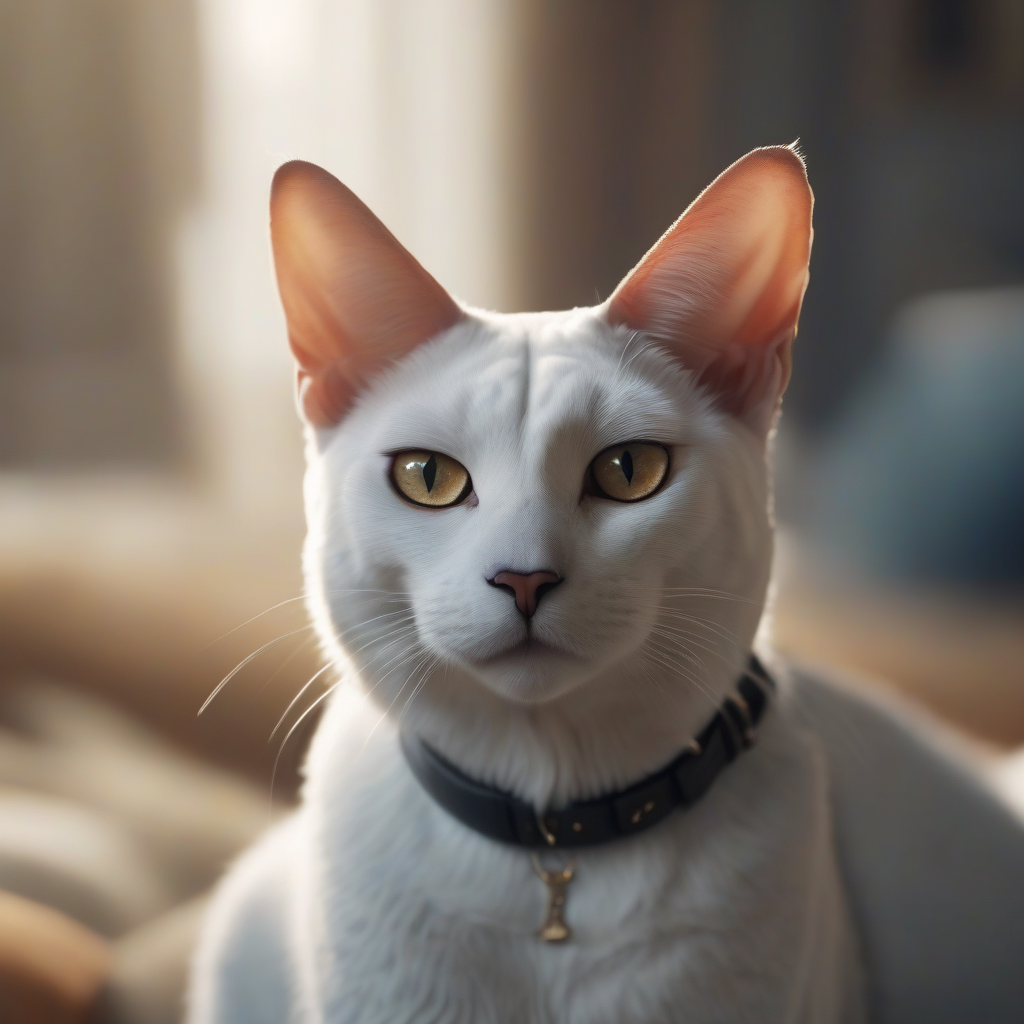
The Curly Gem of Anatolia: The Turkish Rex Cat – A Unique Embodiment of Natural Grace
In the mysterious and elegant world of felines, every breed holds its unique story and charm. Yet, some breeds, touched by nature's unique brush, become so distinct that it's impossible to mistake them for any other. Such is the breed we are about to explore: the Turkish Rex Cat. A hidden treasure from the lands of Anatolia, this natural beauty is ready to capture the hearts of cat lovers with its distinctive curly coat and affectionate personality. As Sen YuDo Pet, we embark on a deep dive into the enchanting world of the Turkish Rex Cat, scrutinizing its unique characteristics, history, care, and lifestyle in this comprehensive article.
Origins and History: A Natural Miracle from Anatolia
As its name suggests, the Turkish Rex Cat is a natural cat breed originating from Turkey. While many other Rex breeds (such as the Cornish Rex, Devon Rex, Selkirk Rex) are known to have been developed through selective breeding as a result of specific genetic mutations, the Turkish Rex is believed to be the product of a spontaneous natural mutation that occurred in Anatolia. This fact makes it even more special. The Turkish Rex is often a natural outcome of a curly coat gene found among local cats, also known as "Anatolian Cat" or "Turkish Shorthair." For many years, these cats have been the joy of homes and streets, and in recent times, they have begun to gain international recognition, yet they remain a relatively rare breed awaiting discovery. Their story is a living testament to a genetic coincidence and Anatolia's rich biodiversity.
Physical Characteristics: The Enchanting Dance of Curly Fur
The most striking feature of the Turkish Rex Cat is, undoubtedly, its unique wavy or curly coat structure. These hairs can be short to medium in length, depending on the individual, and possess a soft, velvety texture. The curly texture resembles a lamb's fleece, adding a cheerful and charming touch to the cat's overall appearance. Coat colors and patterns are quite diverse, including solid colors like black, white, cream, blue, red, as well as patterns such as tabby and tortie.
Their body structure is medium-sized, muscular, and athletic. Their average weight ranges from 3 to 6 kilograms (6.6 to 13.2 pounds). Their heads are wedge-shaped with prominent cheekbones and strong jaws. Medium to large ears are slightly rounded at the tips. Their eyes are oval-shaped and can be various colors like amber, green, or blue, usually harmonizing with their coat color. Long, muscular legs allow them to move flexibly and agilely. Their tails are proportionate to their bodies, medium in length, and usually well-furred.
Character and Temperament: A Playful, Intelligent, and Affectionate Companion
The Turkish Rex Cat stands out not only for its external beauty but also for its inner charm. They generally possess an extremely playful, intelligent, and energetic temperament. They love exploring their surroundings, learning new games, and spending time with interactive toys. Thanks to their intelligence, they can be quite successful at solving puzzle toys and even learning some small commands.
They form strong bonds with humans and can be very affectionate and fond of cuddles. They enjoy spending time with family members and do not particularly like being left alone. Therefore, it is important to provide them with sufficient attention and playtime. They can get along well with children and other pets (especially when socialized from an early age), but it is crucial to provide an environment that can keep up with their high energy levels. They can be quite vocal, constantly engaging in dialogue with their owners through purrs, chirps, and occasional meows.
Care Needs: Special Attention for Curly Coats
While the curly coat of the Turkish Rex Cat requires special attention, a moderate grooming routine is generally sufficient. Shedding may be less frequent compared to other long-haired breeds. Gently brushing them a few times a week with a soft brush or a special cat comb helps prevent tangles and removes dead hair. Excessive brushing or harsh combs can damage the curly structure, so gentleness is key.
Dental hygiene, including brushing several times a week, along with ear and eye cleaning, should also be part of their routine care. Nail trimming and periodic veterinary check-ups are essential for their healthy life. As a natural breed, they typically boast robust general health, but regular vet visits are still important for early detection of potential health issues.
Health and Nutrition: For a Long and Happy Life
Being a breed that emerged through natural selection, the Turkish Rex Cat is generally quite resilient to genetic diseases. No specific breed-related genetic health problems are widely reported. However, like all cats, they can be prone to common health issues such as obesity, dental diseases, or kidney problems. Regular veterinary check-ups, a balanced and high-quality nutrition program, and sufficient exercise will contribute to their long and healthy lifespan.
Regarding nutrition, high-quality cat food appropriate for their age and activity level should be preferred. They should always have access to fresh water. Due to their playful nature, their calorie expenditure might be high, but overfeeding should be avoided.
Conclusion: A Companion Reflecting the Warmth of Anatolia
The Turkish Rex Cat is a unique companion that reflects the warmth, grace, and distinctive spirit of Anatolia. This breed, with its captivating curly coat, will bring joy to your homes with its intelligence, playfulness, and affectionate nature. If you are seeking a rare, naturally beautiful cat that will form a strong bond with you, the Turkish Rex Cat might be the perfect fit. By providing them with a loving home, you can contribute to this special breed becoming more widely recognized and cherished around the world. As Sen YuDo Pet, we wish all our furry friends a healthy and happy life!