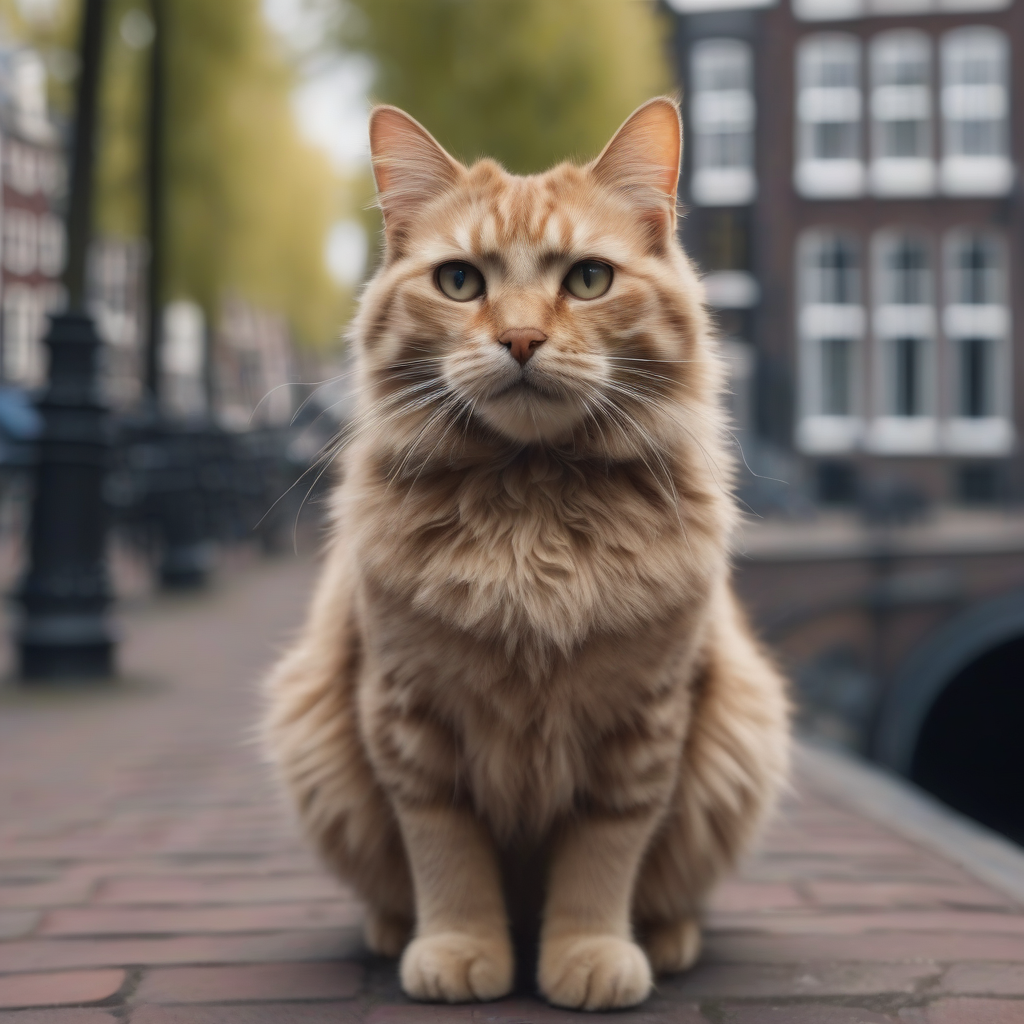
The Amsterdam Cat: Tranquil Guardians of the Canals
Amsterdam, renowned for its canals, bicycles, and unique architecture, is also known for its cats that lead mysterious lives on its streets and beneath its bridges. While the "Amsterdam Cat" is not a formally recognized cat breed, these felines have become an integral part of the city for centuries, developing a distinctive character and way of life. They are, in a sense, silent guardians of the canals, reflecting the city's spirit – both independent and in harmony with humans.
Furry Residents of Amsterdam Throughout History
The history of Amsterdam's cats is intertwined with the city's commercial past. As a port city, goods from all over the world arrived by ship, and with them, mice were often brought ashore. Cats provided a natural solution to this rodent problem, becoming an indispensable part of pest control on ships and in warehouses. Over time, these cats spread throughout the city's streets, forming a local population that has adapted over generations to Amsterdam's unique environment.
These cats are typically short-haired and possess a sturdy build. Their colors and patterns are quite diverse; many different combinations, such as tabby, black, white, and calico, can be seen. They are generally medium-sized, and their agile structure allows them to navigate narrow streets and along the canals. Their eyes are usually bright and alert, indicating their keen observational skills. They stand out not so much for specific physical traits, but for their lifestyle and their adaptation to the city.
A Life Along the Canals
The habitats of Amsterdam cats typically extend from the bustling city streets to tranquil canal banks and hidden courtyards. The canals play a significant role in their lives. Some cats roam on canal boats with their owners, while others bask in the sun along the canal banks or practice their fishing skills. Although falling into the water is a risk for them, most of these cats are known to be quite skilled swimmers. Initiatives like Amsterdam's famous "Poezenboot" (Cat Boat) provide shelter and care for stray cats, emphasizing their importance and humane aspect in city life.
Relations with Humans and Their Place in City Culture
Amsterdammers are generally warm and tolerant towards their feline residents. These cats are a natural part of daily life, whether lounging in front of cafes, weaving through bicycles, or watching the city from windows. Many are accustomed to people and are hospitable; some are regularly fed and loved by local shopkeepers or neighborhood residents. For visitors, Amsterdam cats are also charming details that reflect the city's vibrancy and authentic atmosphere. They are more than just animals; they are the city's silent witnesses and a cultural symbol.
Welfare and Conservation Efforts
Although Amsterdam cats are well-adapted to urban life, their welfare, like that of all street animals, is important. Animal welfare organizations and volunteers in the city run spay/neuter and vaccination programs to help control the population and protect the cats' health. Shelter and treatment options are provided for injured or sick cats. Through these efforts, Amsterdam cats remain healthy and continue to maintain their place in the city.
Conclusion
The Amsterdam Cat is not merely an animal, but a living reflection of the city's history, culture, and soul. These furry companions, wandering along the tranquil waters of the canals, playing in narrow streets, and forming affectionate bonds with locals, are an inseparable part of the Amsterdam experience. Their presence is a delightful detail that reminds us that even in the bustle of modern urban life, it is possible to live in harmony with nature. Next time you visit Amsterdam, don't forget to say hello to an "Amsterdam Cat" lounging by a canal or peeking out from under a bridge.