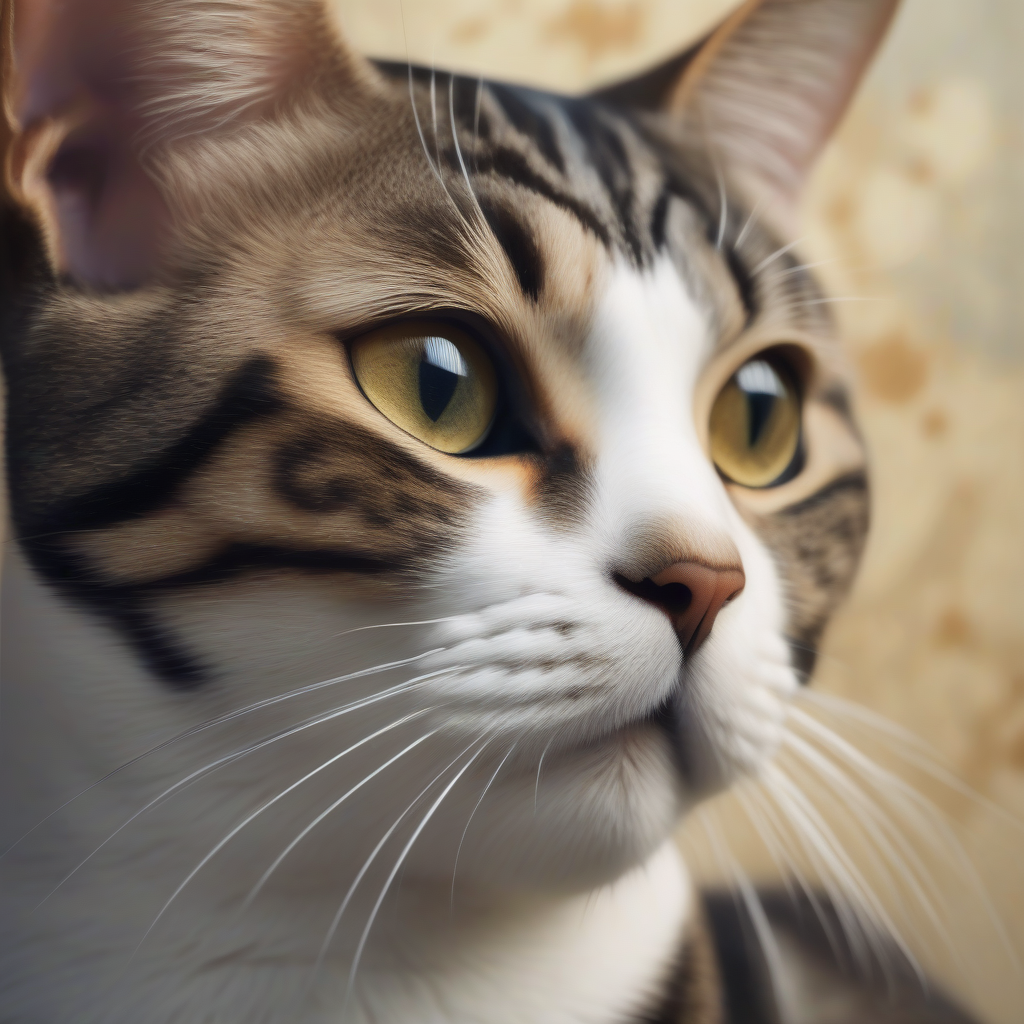
Throughout human history, cats have taken on various roles in different cultures, sometimes revered as sacred, sometimes as hunters, and sometimes simply as beloved companions. China's Tang Dynasty (618-907 AD), one of the most brilliant periods in the Far East, was also a time when cats held a significant place in life, inspiring art and literature. While there isn't a specific formal cat breed known as the "Tang Dynasty Cat," it refers to a type that describes the general characteristics and cultural importance of domestic cats living in China during this era. They were creatures of combined elegance and utility, found everywhere from imperial palaces to humble peasant homes.
A Glimpse into History: Cats in the Tang Dynasty
The Tang Dynasty is considered one of the most prosperous and culturally rich periods in Chinese history. Thanks to the vibrancy of the Silk Road, intense interactions with the West took place, and art, literature, philosophy, and technology reached their peak. During this time, cats were seen not only as tools for pest control but also as cherished household companions and aesthetic objects. Poets praised them, painters depicted them on their canvases, and nobles admired their graceful movements.
Depictions in works from the period suggest that Tang Dynasty cats were generally medium-sized, athletic, and agile animals. Their coat colors and patterns could have been quite diverse; while tabby patterns inherited from their wild ancestors were common, solid or bi-colored cats might also have been encountered. Their eyes were often large and striking, reflecting their sharp intelligence. Long-haired variants were likely less common, but different fur structures adapted to the local climate might also have been present.
A Cultural Symbol and a Loyal Companion
During the Tang Dynasty, cats not only kept mice away but were also believed to bring good luck and prosperity to homes. Especially among wealthy families and in imperial circles, special care and feeding routines were established for cats. This value placed on them was an ancient reflection of today's pet affection.
- Muse of Literature and Art: Many Tang era poets immortalized the elegance, playfulness, and sometimes mysterious nature of cats in their verses. Poems written by the famous poet Lu Yu for his cat demonstrate how precious cats were during that period. Furthermore, cat figures frequently appear in ceramics, silk paintings, and even funerary objects, proving that these animals were an integral part of daily life and belief systems.
- Intelligence and Independence: Tang Dynasty cats likely possessed an intelligent and independent nature, much like many natural cat breeds today. They were self-sufficient animals with strong hunting instincts. Yet, they were also affectionate and compatible companions capable of forming strong bonds with humans. This balanced temperament made them ideal pets.
The Tang Legacy Today
Although there is no official "Tang Dynasty Cat" breed today, China's local cat populations descend from cats that have lived in these lands for thousands of years and carry this cultural heritage. Some modern Chinese breeds, such as the Dragon Li (Chinese Tabby), can be considered naturally developed breeds that continue to carry the physical and temperamental traits of Tang Dynasty cats. They are living monuments that carry the elegant spirit of ancient China into the present day.
If you had the chance to own a Tang Dynasty cat, you would likely be captivated by its elegance, hunting prowess, and also the deep devotion it showed you. They were not just pets, but living pieces of a rich history and cultural heritage. The love and respect shown to them shed light on the origins of our modern understanding of cat ownership.
At Sen YuDo Pet, we know that cats are not just pets, but also carriers of ancient stories and cultural connections. Tang Dynasty cats are an important part of this unique heritage.