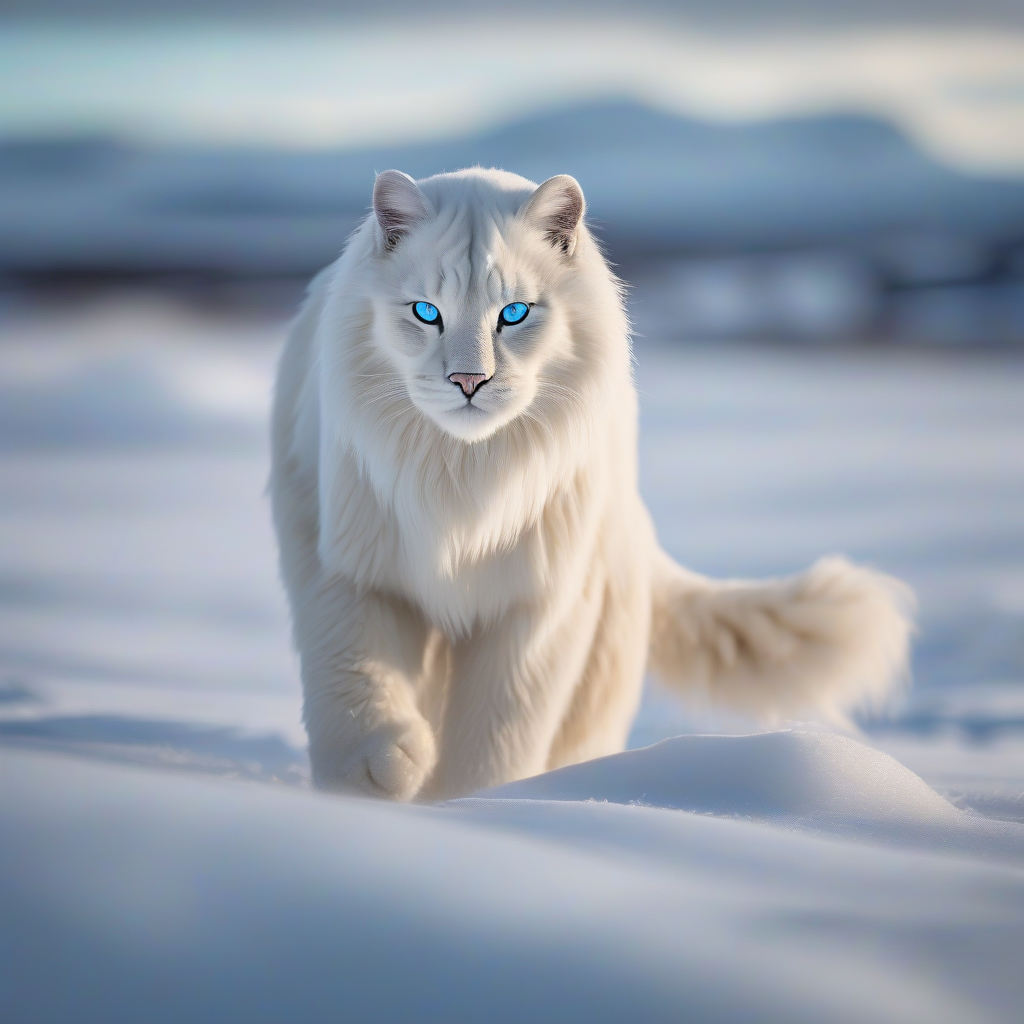
A-Z of Cats: Svalbard Arctic Cat – The Velvet Legacy of Arctic Winds
Amidst the freezing winds and unique natural beauty of the Arctic, one of nature's most resilient and elegant creatures remains hidden: the Svalbard Arctic Cat. This rare and fascinating breed stands out not only for its physical adaptations to defy the cold but also for its calm and noble character. At Sen YuDo Pet, we are here to introduce you to this velvet-pawed heir of the polar realm, the Svalbard Arctic Cat.
Origins and History: The Mysterious Hunter of Icy Lands
The origins of the Svalbard Arctic Cat trace back to the isolated and harsh geography of the Svalbard Islands, an archipelago belonging to Norway. Throughout history, fishermen, miners, and explorers who settled these islands brought hardy domestic cats with them on their ships. These cats, over hundreds of years, adapted to the Arctic conditions, acquiring unique characteristics through natural selection and evolving into a distinct breed. Their struggle against the harsh climate, limited resources, and wild nature made them strong both physically and mentally. The modern Svalbard Arctic Cat is a living testament to its ancestors' challenging fight for survival; a true natural marvel shaped not by human intervention, but by nature itself.
Physical Characteristics: Fully Equipped for the Cold
The Svalbard Arctic Cat is a medium to large-sized, strong, and muscular feline perfectly adapted to the demanding conditions of the Arctic. Their average weight can range from 5-8 kg (11-18 lbs), but some male individuals can be even larger.
- Coat: Its most distinctive feature is its thick, dense double-layered coat, which protects it from freezing cold. The outer layer is water-resistant and coarse, while the undercoat is soft and woolly, providing excellent insulation. Coat colors typically include ice white, silver-grey, smoky blue, or various tabby patterns mimicking snow layers. Longer hair around the neck forms a mane-like appearance, helping to shield them from the wind.
- Eyes: They usually possess piercing blue, emerald green, or amber eyes. Their slightly slanted gaze reflects both a wild intelligence and a profound serenity.
- Paws: Large and well-tufted paws enable them to walk easily on snow and ice, providing traction on slippery surfaces. They are essentially natural snowshoes.
- Ears: Medium-sized, slightly rounded at the tips, and densely covered with fur on the inside. These tufts protect their ears from the cold and prevent snow from entering.
- Tail: Their thick and bushy tail, resembling that of a fox, is used to wrap around their bodies for extra insulation while sleeping.
Temperament and Personality: An Independent Yet Loyal Companion
The Svalbard Arctic Cat possesses an independent spirit but simultaneously harbors deep loyalty and affection for its owners. They are intelligent, observant, and calm-tempered. They generally dislike noise and excessive activity, making a peaceful home environment ideal for them.
- Intelligence and Curiosity: These cats constantly observe their surroundings, learn quickly, and have high problem-solving abilities. They adore puzzle toys and activities that provide mental stimulation.
- Playfulness: While quite playful as kittens, they tend to adopt a calmer demeanor in adulthood. Nevertheless, they are always open to interactive games, especially those that satisfy their hunting instincts.
- Social Behavior: They typically have a selective social circle. They may be reserved with strangers but are affectionate and gentle with people they trust. They can get along well with children and other pets, provided they are treated with respect. Respect for their personal space is crucial.
- Communication: They are less vocal than other cat breeds. Instead of meowing, they usually communicate with gentle purrs or trills.
Care and Health: Preserving Arctic Beauty
Caring for a Svalbard Arctic Cat requires regular attention, especially due to its dense coat. However, it is generally a healthy and robust breed.
- Grooming: Its thick double coat requires daily brushing, especially during shedding seasons (spring and autumn). This prevents matting and keeps the skin healthy. At other times, brushing 2-3 times a week is sufficient.
- Nutrition: They should be fed a high-quality, protein-rich cat food. Portion control appropriate for their energy levels and age is important. While accustomed to cold climates, overfeeding in a domestic environment can lead to obesity.
- Exercise: They have a moderate need for exercise. Climbing trees, interactive toys, and regular play sessions help them stay physically and mentally fit.
- Health: Their average lifespan is between 12-15 years. They may be predisposed to hip dysplasia or certain heart conditions, which can be seen in some large breeds. Regular veterinary check-ups, vaccinations, and parasite prevention programs are vital.
Living Environment: A Peaceful Arctic Home
Naturally, the Svalbard Arctic Cat thrives in cool and spacious environments. While they can adapt to indoor living, they should be provided with ample climbing space and high perches where they can observe the outside world. A safe and controlled outdoor area (balcony or garden) can bring them great joy. For those living in warmer climates, it's important to take cooling measures during summer months.
Conclusion: Your Arctic Fairy Tale at Home
The Svalbard Arctic Cat is truly a unique cat breed with its beauty, resilience, and noble character. With its independent spirit and deep affection, it can be a perfect companion for the right family. If you are fascinated by cold climates and are looking for a calm and observant friend, the Svalbard Arctic Cat will bring the magical atmosphere of Arctic fairy tales into your home. At Sen YuDo Pet, we wish all our feline friends a healthy and happy life!