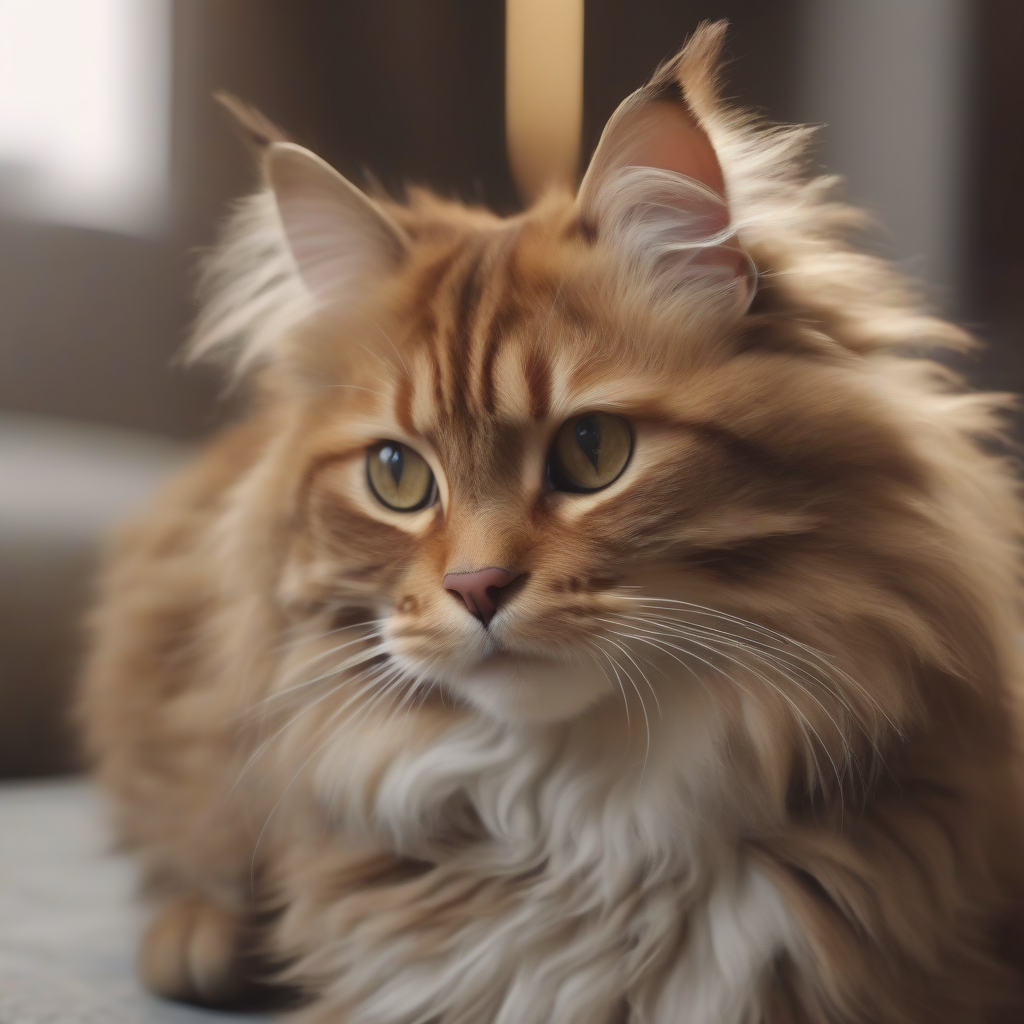
A-Z of Cats: The Skookum Cat – A Playful Dance of Curly Fur and Short Legs
Among the rare and captivating breeds in the feline world, the Skookum cat stands out with its short legs and unique curly, wavy coat. These charming companions emerged from the cheerful personality of the "short-legged" Munchkin breed combined with the striking fur texture of the "curly-coated" LaPerm breed. The name Skookum originates from indigenous North American languages, meaning "powerful," "great," or "legendary," which aptly describes their unique and enchanting nature. Although not yet fully recognized by many major cat federations, Skookum cats are rapidly gaining a fan base due to their exotic appearance and affectionate character. In this article, we will delve into everything you need to know about the Skookum cat, from its origins and character traits to its care requirements and potential health concerns.
Origin and History
The Skookum cat was developed in the early 1990s by American cat breeder Roy Galusha in Washington state. Galusha's goal was to create a distinctive cat breed possessing both short legs and curly fur. With this vision, he crossbred the Munchkin cat (carrying the short-leg gene) with the LaPerm cat (carrying the curly-coat gene) to produce the first Skookum kittens. This hybridization program successfully combined two unique genetic traits, resulting in offspring that inherited the most appealing characteristics of both parent breeds. The breed is still in its developmental stages and is therefore quite rare globally. While its popularity is growing among new generations of cat enthusiasts, its lack of widespread recognition only adds to its special appeal.
Physical Characteristics
Skookum cats are recognized at first glance by their "miniature" and "toy-like" appearance.
- Body Structure: They are medium-sized cats, but their short legs make them appear smaller. They have a muscular and compact body. Their hind legs are typically slightly longer than their front legs, giving them a slight upward slope.
- Coat: One of their most distinctive features is their coat, which has a wavy or curly texture inherited from the LaPerm breed. The fur can be short or semi-long. The curls can range from loose waves to tight ringlets, making each Skookum unique. The fur is generally soft and silky.
- Head and Face: They have an endearing face with rounded contours. Their eyes are large, almond-shaped, and usually vibrant tones that complement their coat color. Their ears are medium-sized and slightly rounded at the tips.
- Tail: Their tails are proportionate to their bodies and can be covered in curly fur, giving it a "plumed" or "bottle brush" appearance. Some may also have a somewhat curled tail.
- Colors and Patterns: Skookum cats come in a wide array of colors and patterns. They can be seen in solid colors (black, white, cream, blue, chocolate, etc.), tabby, bicolor, colorpoint, and smoke variations.
Temperament and Personality
Skookum cats stand out not only for their looks but also for their captivating personalities.
- Playful and Energetic: Their playful and curious nature, inherited from the Munchkin gene, makes them a constant source of entertainment at home. They enjoy all sorts of activities, from chasing toy mice to exploring scratching posts. Their short legs do not hinder their climbing or jumping abilities; rather, it often makes their antics seem more comical and mischievous.
- Affectionate and Social: They inherit the affectionate and people-oriented temperament of the LaPerm breed. They form strong bonds with family members, love to cuddle, and enjoy being the center of attention. They dislike being left alone and prefer to be around their owners. They generally get along very well with children and other pets (including dogs), making them an ideal choice for busy households.
- Intelligent and Trainable: Skookums are quite intelligent and, thanks to their playful nature, are eager to learn new tricks. They can easily learn games like fetch. Puzzle toys and interactive play are important for providing mental stimulation.
- Calm and Adaptable: They generally have a calm and adaptable disposition, but they also need plenty of playtime to burn off their energy. Their gentle and patient nature makes them wonderful companions for every member of the household.
Care Requirements
Caring for a Skookum cat may require some special attention, particularly due to its coat structure.
- Coat Care: Regular brushing is important to prevent matting of the curly fur. However, as with LaPerms, excessive brushing can straighten the curls. Gently brushing 2-3 times a week with a soft brush or a wide-toothed comb should be sufficient. Bathing is usually infrequent, but if they get dirty, they can be washed with cat-specific shampoos.
- Nail, Dental, and Ear Care: As with all cats, regular nail trimming, dental brushing, and ear cleaning are essential for their overall health.
- Nutrition: A balanced diet with high-quality cat food is crucial for a healthy life. Portion control should be exercised to avoid obesity.
- Exercise and Mental Stimulation: Despite their short legs, they are quite active and playful. Climbing trees, interactive toys, and daily play sessions are vital for their physical and mental well-being.
- Living Environment: Skookums can adapt to both apartment and house living, provided they have adequate space for play and rest. A safe indoor environment will protect them from outdoor dangers.
Health and Lifespan
Skookum cats are generally a healthy breed, but it's important to consider some genetic predispositions inherited from their parent breeds.
- From Munchkin: Potential issues associated with the short-leg gene include "lordosis" (inward curvature of the spine) or "pectus excavatum" (sunken chest). However, responsible breeders conduct rigorous genetic testing to minimize these problems, and serious issues are rarely seen in Skookums. Their short legs do not typically lead to joint problems, as this is achondroplasia (a disorder of cartilage development) rather than dwarfism, and they have normal joint structures.
- From LaPerm: The curly-coat gene inherited from the LaPerm breed generally does not cause health problems. Rare sensitivities related to skin or coat quality might occur.
- General Health: Regular veterinary check-ups, vaccinations, and parasite prevention treatments will help ensure a Skookum lives a healthy and long life. Their average lifespan is around 12-15 years.
Why Own a Skookum?
If you are looking for an affectionate, uniquely charming, and playful cat to bring joy into your life, the Skookum could be a perfect choice. They are not just pets; they are candidates to become a fun and loyal member of your family. Their irresistible curly fur and adorable short-legged antics will brighten every moment. Their rarity makes them even more special, and owning a Skookum truly means having a unique experience.
Conclusion
The Skookum cat is one of the hidden gems of the feline world. This breed, combining the elegant curls of the LaPerm with the charming short legs of the Munchkin, is rich in both aesthetics and character. With their energetic, affectionate, and social nature, they can easily adapt to any home. If you are considering adopting one of these rare and captivating companions, be prepared for the unconditional love and endless joy they will bring. As Sen YuDo Pet, we are happy to share the story of every special cat breed with you.