Siberian Cat: Discovering its Enchanting Beauty and Gentle Nature
One of the most striking and affectionate breeds in the feline world, the Siberian cat possesses a majestic beauty that has adapted to the challenging conditions of its namesake cold geography. In this article, we will delve into every aspect of the Siberian cat, from its origins to its physical characteristics, temperament, and care.
Origins and History
The Siberian cat's origins trace back to the Siberian region of Russia. These cats, which have developed resilience against the harsh winters of this geography for centuries, have reached their magnificent present form through natural selection. Although they are thought to have been domesticated in Russia as early as the 17th century, their international recognition is more recent. Their popularity increased with greater interaction with the Western world after the collapse of the Soviet Union.
Physical Characteristics
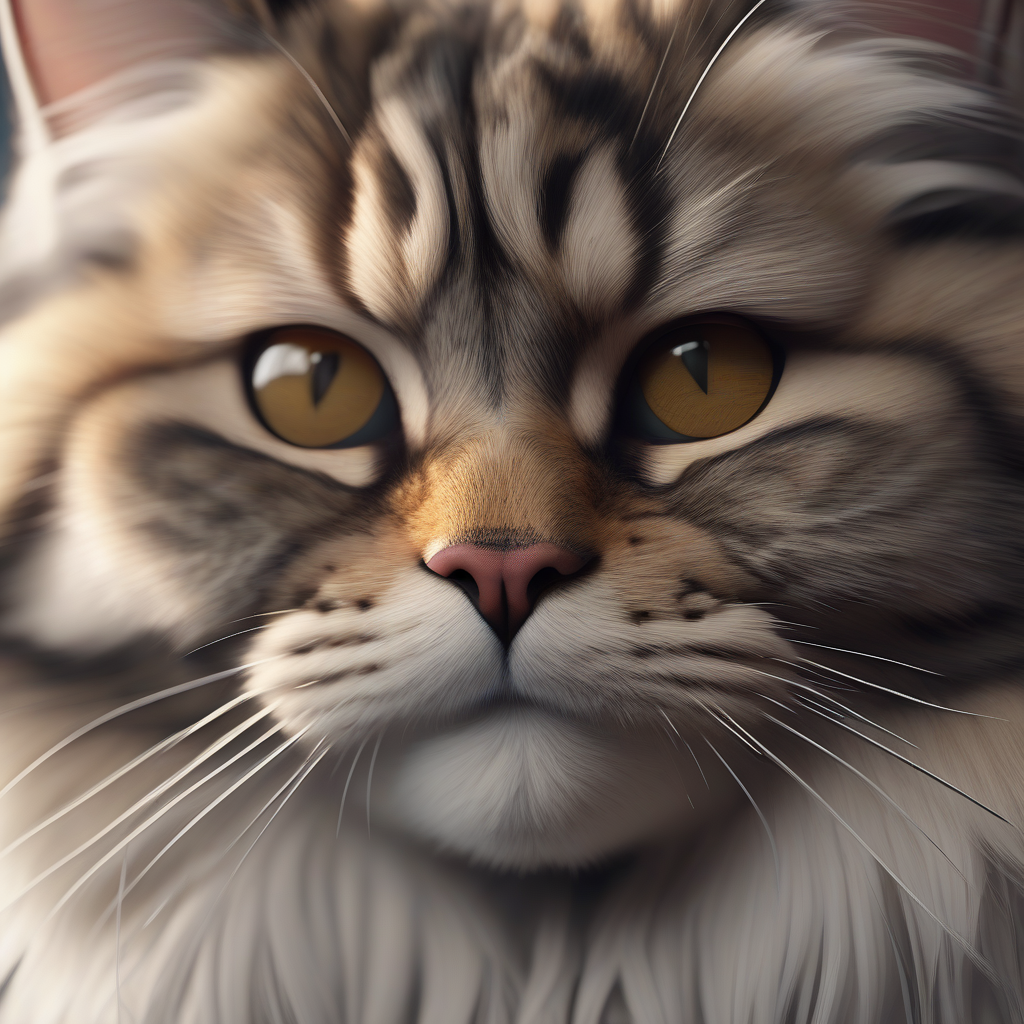
Siberian cats are medium to large-sized, muscular, and robust cats. Their most distinguishing feature is their long, dense, triple-layered coat. This fur not only protects them from the cold but also makes them water-resistant. While the coat might thin slightly in the summer, it gains incredible volume in the winter. Their faces are round with prominent whisker pads. Their ears are medium-sized, slightly rounded at the tip, and have long tufts of fur inside. Their eyes are large, round, and typically green or gold in color. Their tails are long, bushy, and full of fur, adding to their elegant appearance.
Temperament and Personality
In addition to their captivating physical appearance, Siberian cats are known for their gentle, affectionate, and intelligent characters. They form strong bonds with their families and get along particularly well with children. Their playful nature allows them to entertain themselves and play games with their owners. Their high intelligence means they can learn basic commands and enjoy playing with puzzle toys. They are hospitable and generally do not shy away from meeting new people. They love interacting with humans but may not enjoy excessive cuddling; they expect their personal space to be respected. They love to climb and enjoy observing their surroundings from high places. Their voices are melodic, and they communicate by making a variety of sounds rather than just meowing.
Health and Care
Siberian cats are generally a healthy breed with an average lifespan of 10-15 years. However, like all breeds, they can have certain genetic predispositions. One of the more common issues is heart conditions such as hypertrophic cardiomyopathy (HCM). Regular veterinary check-ups help in the early detection of potential health problems. Regarding their coat, their triple-layered structure requires regular grooming. Brushing them at least two to three times a week prevents matting and helps remove shedding fur. The frequency of brushing can be increased during shedding seasons. Regular nail trimming, teeth brushing, and ear checks are also important for their overall health.
Are They Allergy-Friendly?
It has been observed that some individual Siberian cats tend to produce less Fel d 1 protein compared to other breeds. This protein is one of the main causes of cat allergies. Therefore, some individuals with allergies may react less severely to Siberian cats. However, this is not true for everyone, and it is highly recommended that people with allergies do a trial run before introducing a Siberian cat into their home.
Conclusion
The Siberian cat is a wonderful companion for homes, not only due to its striking beauty but also its gentle, intelligent, and affectionate personality. Their loyalty to their families, playfulness, and potential for producing relatively fewer allergens make them an ideal choice for many cat lovers. If you are looking for a companion that is both physically impressive and emotionally fulfilling, the Siberian cat might be the right choice for you.