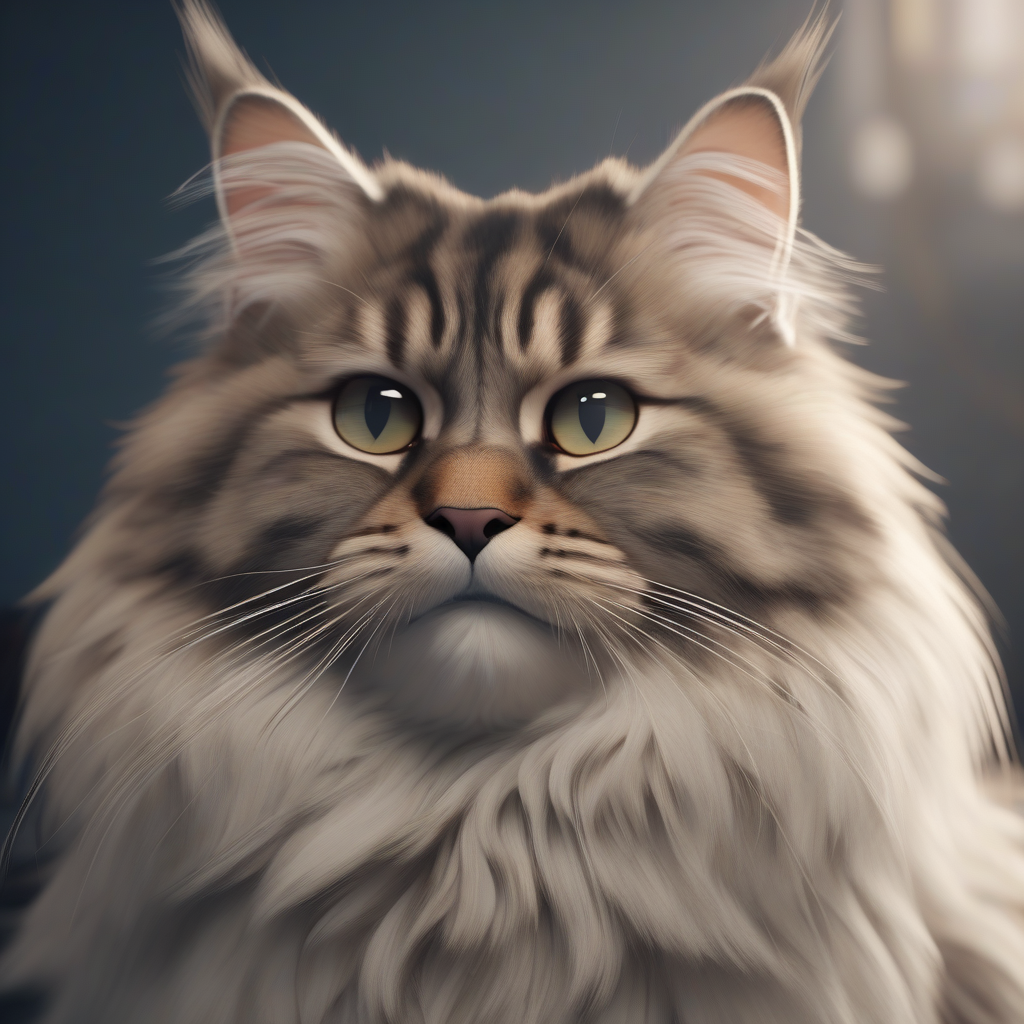
The Siberian Cat: A Majestic and Robust Wild Beauty from Nature
Among the most magnificent and robust breeds in the feline world, the Siberian cat hails from the freezing cold regions of Russia, from which it derives its name. Having adapted to these harsh climatic conditions over thousands of years, Siberian cats are renowned for their strong build, dense fur, and affectionate personalities. In this installment of our "Cats from A to Z" series, we will embark on a journey into the fascinating world of the Siberian cat, examining all the characteristics of this noble breed.
Origins and History
The history of the Siberian cat is rooted in the vast and cold geography of Russia. It is a natural breed, having evolved without human intervention. First mentioned in records dating back over a thousand years, Siberian cats were kept by Russian villagers for pest control (mice and other vermin) and also served as loving companions. Their migration out of Russia began towards the end of the Cold War, in the late 1980s, reaching America and Europe in the early 1990s. This breed quickly gained popularity worldwide and has since captured the hearts of many cat lovers.
Physical Characteristics
Siberian cats are medium to large-sized, possessing a strong and muscular build. Their average weight can range between 9-20 pounds (4-9 kg), with males typically being larger than females. Their most distinctive feature is their triple-layered, water-resistant, dense coat, which protects them from the bitter cold. The outer layer consists of coarse guard hairs, the middle layer has a prominent undercoat, and the innermost layer is a woolly foundation. These three layers provide the Siberian cat with excellent insulation.
Their coats can be found in all colors and patterns; the most common include tabby, smoke, and color-point patterns. Their eyes are typically large, slightly oval, and can vary in color from golden yellow to green. Characteristic features include a broad head, strong jaws, medium-sized ears with rounded tips, and a bushy, brush-like tail. Their hind legs are slightly longer than their front legs, granting them powerful jumping abilities.
Temperament and Personality
Despite their wild appearance, Siberian cats possess a remarkably affectionate, friendly, and playful disposition. They are known for exhibiting "dog-like" behaviors; they love to follow their owners around the house, greet them at the door, and engage in games. They are intelligent and often enjoy activities like walking on a leash or learning tricks.
They get along well with children and other pets. Their patient and gentle nature makes them ideal companions for busy families. While they prefer a calm and harmonious life, they can be incredibly energetic during playtime. They form deep bonds with their owners and typically enjoy being held, petted, and engaging in soft "conversations."
Care and Health
The Siberian cat's triple-layered dense coat, while requiring regular grooming, surprisingly tends to tangle less than one might expect. Brushing two or three times a week is generally sufficient to remove dead hairs and prevent matting. During seasonal shedding periods (especially in spring), brushing frequency should be increased. Baths are usually not necessary; thanks to their water-resistant fur, they can keep themselves quite clean.
While generally a healthy breed, like all cat breeds, they can be prone to certain genetic conditions. The most common are Hypertrophic Cardiomyopathy (HCM), which is the thickening of the heart muscle, and Polycystic Kidney Disease (PKD). Responsible breeders will perform genetic screening for these conditions. Regular veterinary check-ups, a balanced diet, and sufficient exercise are vital for your Siberian cat to lead a healthy and happy life.
Hypoallergenic Claim
Siberian cats are associated with a common belief that they are "hypoallergenic." This does not mean they are entirely allergy-free, but it is thought that they are less likely to trigger allergy symptoms compared to other breeds. The primary cause of cat allergies is a protein called Fel d 1, found in cat saliva, dander, and urine. There is scientific evidence suggesting that Siberian cats produce less Fel d 1 protein than other cat breeds. This characteristic can make Siberian cats a more suitable option for individuals with mild to moderate cat allergies. However, it is still advisable for people with allergies to spend some time with a Siberian cat before acquiring one.
Living with a Siberian Cat
Adopting a Siberian cat means bringing joy, playfulness, and unconditional love into your home. These intelligent felines love interactive toys and puzzle feeders. They enjoy climbing to high places, making cat trees and shelves ideal for them. They have a natural affinity for water; some enjoy playing with water or drinking from a running tap. Providing them with adequate physical and mental stimulation is key to having a happy and well-adjusted Siberian cat.
Conclusion
The Siberian cat is a captivating breed that has traveled from the cold Russian lands to bring warmth and affection to homes worldwide. Their majestic appearance, robust build, playful and affectionate temperament make them an excellent choice for both experienced cat owners and first-time adopters. If you are a patient and caring cat lover looking to add a noble wild beauty to your home, the Siberian cat might just be the perfect companion for you.