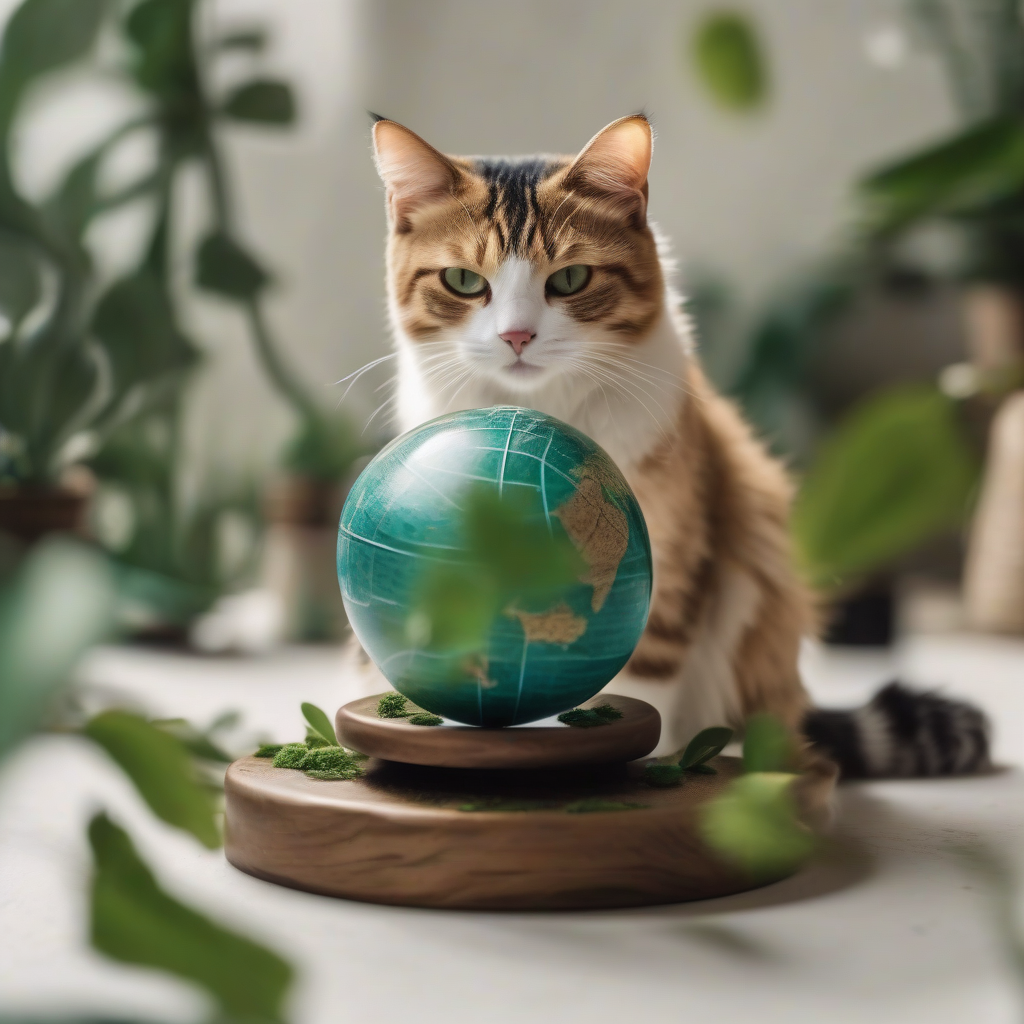
March 2026's Viral Movement: Shrink Your Cat's 'Eco-Paw' Print! 7 Smart Ways to Reduce Their Carbon Footprint
As we enter March 2026, environmental sustainability awareness continues to permeate every aspect of our lives. It's no longer just about our own carbon footprint, but also considering the impact our furry friends have on the world, a new viral trend known as the Eco-Paw Movement! Taking steps to protect the world we share with our cats and provide them with a healthier, more livable future is among the most talked-about topics this spring. So, how can we reduce our beloved pets' 'eco-paw' print? Here are 7 of March 2026's smartest and most actionable ways!
What is Your Cat's Eco-Paw Movement and Why is it Important?
Your cat's eco-paw print refers to the total impact on the environment throughout their life cycle, from their diet to their toys, litter, and healthcare. This includes factors such as water consumption, carbon emissions, waste generation, and the use of natural resources. As environmental awareness grows in today's world, pet owners are also recognizing this responsibility. The Eco-Paw Movement is a globally spreading trend that aims to transform this awareness into concrete actions. Discovering ways to respect our planet while enhancing your cat's quality of life is critical for the well-being of both you and your feline friend.
March 2026's Viral Eco-Paw Movement: 7 Smart Ways to Reduce Their Carbon Footprint
1. Sustainable and Ethically Sourced Food Choices: An Eco-Friendly Bowl
Your cat's diet is one of the largest components of their eco-paw print. Industrial meat production has a high carbon footprint. Among the trends highlighted in March 2026 are cat foods containing regionally sourced, ethically produced meat, or protein sources compliant with animal welfare standards. Some innovative foods have even begun to use sustainably harvested seafood or lab-grown proteins. When purchasing food, consider not only the ingredients but also the manufacturer's sustainability certifications and the recyclability of the packaging. Buying in bulk to reduce packaging waste is also an effective method.
2. Eco-Friendly Litter and Waste Management Revolution: Clean Paws for a Clean Planet
Cat litter plays a significant role in waste management. Traditional clay-based litters can harm the environment during extraction and take a long time to decompose naturally. Among March 2026's eco-trends, plant-based litters made from recycled paper, corn, wheat, or tofu, which are biodegradable and even compostable, are gaining popularity. These litters are better choices for both your cat's health and the environment. Additionally, disposing of cat waste with special, biodegradable bags and adhering to local waste management regulations is crucial.
3. Durable and Recycled Toys: Sustainable Fun
Cats love toys, but instead of constantly buying new ones and quickly discarding plastic products, it's essential to turn to durable, long-lasting toys made from recycled materials. Toys made from recycled plastic, natural wood, or organic cotton allow your cat to have fun while minimizing your environmental impact. Simple DIY toys made from old clothes or cardboard boxes are also great alternatives.
4. Comfort Zones with Reduced Energy Consumption: Smart and Green Living Spaces
When designing your cat's living space, consider energy efficiency. Devices like heated beds or automatic feeders can contribute to energy consumption. Opting for energy-efficient models or choosing naturally lit, sheltered, and inherently warm/cool spots as your cat's resting and play areas benefits both your utility bill and the planet. Solar-powered chargers or timer-controlled systems also offer smart solutions.
5. Minimalism in Cat Products and the Sharing Economy: Consume Less, Love More
Instead of always having the newest and most products, focus on real needs. Donating unused cat items or sharing them with other cat owners extends the lifespan of products and reduces the need for new production. Opting for second-hand food and water bowls, carriers, or scratching posts makes a significant contribution to sustainability. A minimalist approach reduces clutter in your home and lightens the planet's burden.
6. 'Green' Healthcare and Medication Management: Health from Nature
Talk to your veterinarian about choosing cat shampoos, flea preventatives, and other grooming products with eco-friendly ingredients where possible. Proper disposal of medical waste is also important; never flush them down the drain or toilet, as chemicals can contaminate water systems. Ensure proper disposal by dropping off unused medications at local pharmacy take-back points. Some herbal supplements (with vet approval) can support your cat's health while causing less harm to nature.
7. Conscious Travel and Transportation Choices: Green-Paw Adventures
If you love traveling with your cat, consider the environmental impact of these adventures. Opting for lower-carbon transportation methods like trains or electric vehicles instead of planes for long distances can significantly reduce your eco-paw print. For shorter distances, bicycle cat carriers or walking will benefit both your and your cat's health. Spending time in local parks or nature areas can be an alternative to long, carbon-intensive travels.
Eco-Paw Responsibility for Future Generations
The Eco-Paw Movement is not just a trend; it's an investment in the future. Protecting this planet we share with our cats and leaving them a more livable world is everyone's responsibility. As Sen YuDo Pet, we support this movement with sustainable and ethical product options, and we invite you to be a part of the Eco-Paw Movement. Remember, every small step you take can make a big difference!