A-Z Cats: The Shetland Cat – Silent Guardian and Resilient Heritage of the North
Across the globe, numerous cat breeds, shaped by natural selection, remain largely undiscovered. Among these enigmatic breeds is the Shetland Cat, a robust feline companion hailing from the rugged Shetland Islands in northern Scotland, bearing the name of its homeland. These resilient creatures, known as the silent guardians of the islands, have thrived for centuries despite the fierce northern winds, cold maritime climate, and limited resources. At Sen YuDo Pet, we are delighted to delve into the depths of this unique cat breed and unveil its mysterious world.
Origins and History: Nature's Harsh Selection
Unlike many modern cat breeds that were selectively bred by humans for specific traits, the Shetland Cat is predominantly a product of centuries of natural selection. The foundation of today's Shetland Cat was laid when domestic cats, likely brought to the islands by Vikings, gradually adapted to the region's challenging geography and climate. Through the survival and reproduction of the strongest, smartest, and most resilient individuals, a unique gene pool was established. These cats became indispensable helpers for islanders in controlling mice and other pests, thus developing a symbiotic relationship with the local population for food and shelter. Their hardy nature played a vital role in the lives of the island residents.
Physical Characteristics: Beauty Defying the Cold
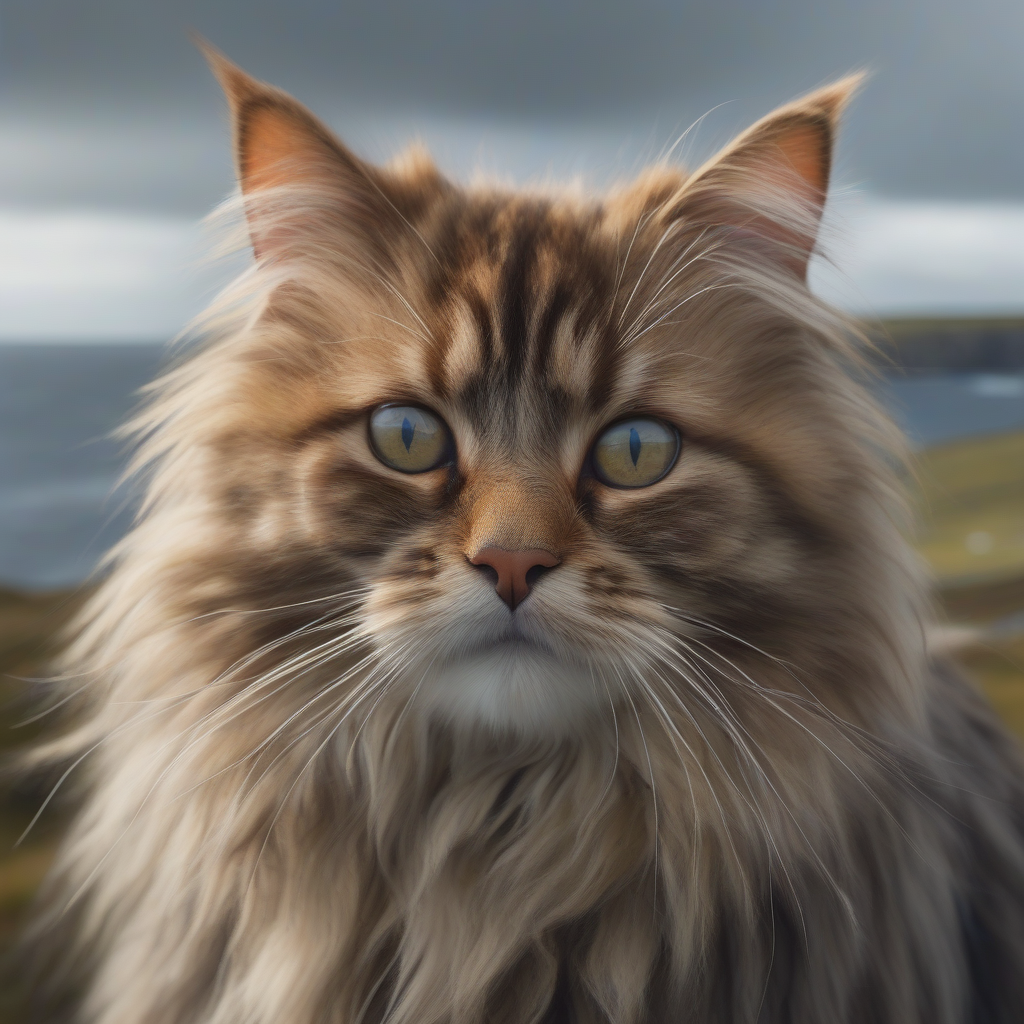
The Shetland Cat is a medium-sized feline with a sturdy and muscular build. Its most distinctive feature is its dense, double-layered coat, which provides excellent protection against the northern cold. The outer layer is water-resistant and coarse, while the inner layer is soft and offers superior insulation. Coat colors typically appear in natural tones, with various tabby patterns, as well as solid grays, browns, blacks, and creams, being common. Their eyes, often in shades of green or yellow, convey an intelligent and alert expression, gazing inquisitively at the world around them. Short yet powerful legs and broad paws enable them to navigate challenging terrain with ease. Their tail is usually of medium length and thick.
Character: Independent Spirit, Loyal Companion
By nature, the Shetland Cat possesses a highly independent and self-assured character. Their hunting instincts are exceptionally well-developed, making them excellent mousers. However, beneath this independent spirit lies a deep loyalty and affection for their family. They can be remarkably devoted to their owners and enjoy spending time with the people they love. While they may initially be reserved with strangers, they can become quite affectionate once they establish trust. Their intelligence makes them easy to train, and they enjoy playing, especially interactive games that allow them to utilize their hunting skills. Although they prefer a calm and peaceful environment, they can be agile and energetic when the mood strikes.
Care and Health: Natural Resilience
As a natural breed, Shetland Cats are generally very hardy and healthy. Their dense coats make them resistant to cold, but they require shaded areas and water in warm weather to prevent overheating. Despite its density, coat care is relatively easy due as they are proficient self-groomers. Weekly or bi-weekly brushing helps remove dead hairs and prevents the formation of hairballs.
Regarding nutrition, a high-quality, protein-rich diet suitable for their active lifestyle should be chosen. Portion control is important to prevent obesity. Their predisposition to genetic diseases is lower compared to many modern breeds, but regular veterinary check-ups, vaccinations, and parasite prevention are crucial, as with all cats. Their average lifespan is around 12-15 years, and with good care, they can live even longer.
Living Environment: The Spirit of the North in Your Home
Due to their independent nature and hunting instincts, Shetland Cats will be happiest in a home with outdoor access. A spacious garden or a secure outdoor enclosure allows them to fulfill their need for exploration and hunting. They can adapt to apartment living, but in such cases, providing climbing structures, toys, and interactive games is essential to ensure mental and physical stimulation. They generally get along well with other pets and children, though early socialization is beneficial.
Why Should You Adopt a Shetland Cat?
If you are looking for a companion that is resilient, intelligent, independent, yet loyal and affectionate, the Shetland Cat might be the perfect choice for you. They are not merely pets; they are silent yet powerful legacies that bring the ancient spirit of the North and the unique resilience of nature into your home.
Conclusion: The Shetland Cat is a unique breed, not only for its beauty but also for its adaptation to harsh conditions and its independent yet loyal character. At Sen YuDo Pet, we are proud to emphasize the value these special companions bring to our lives. When you offer them the love and care they deserve, they will reciprocate with an unparalleled friendship.