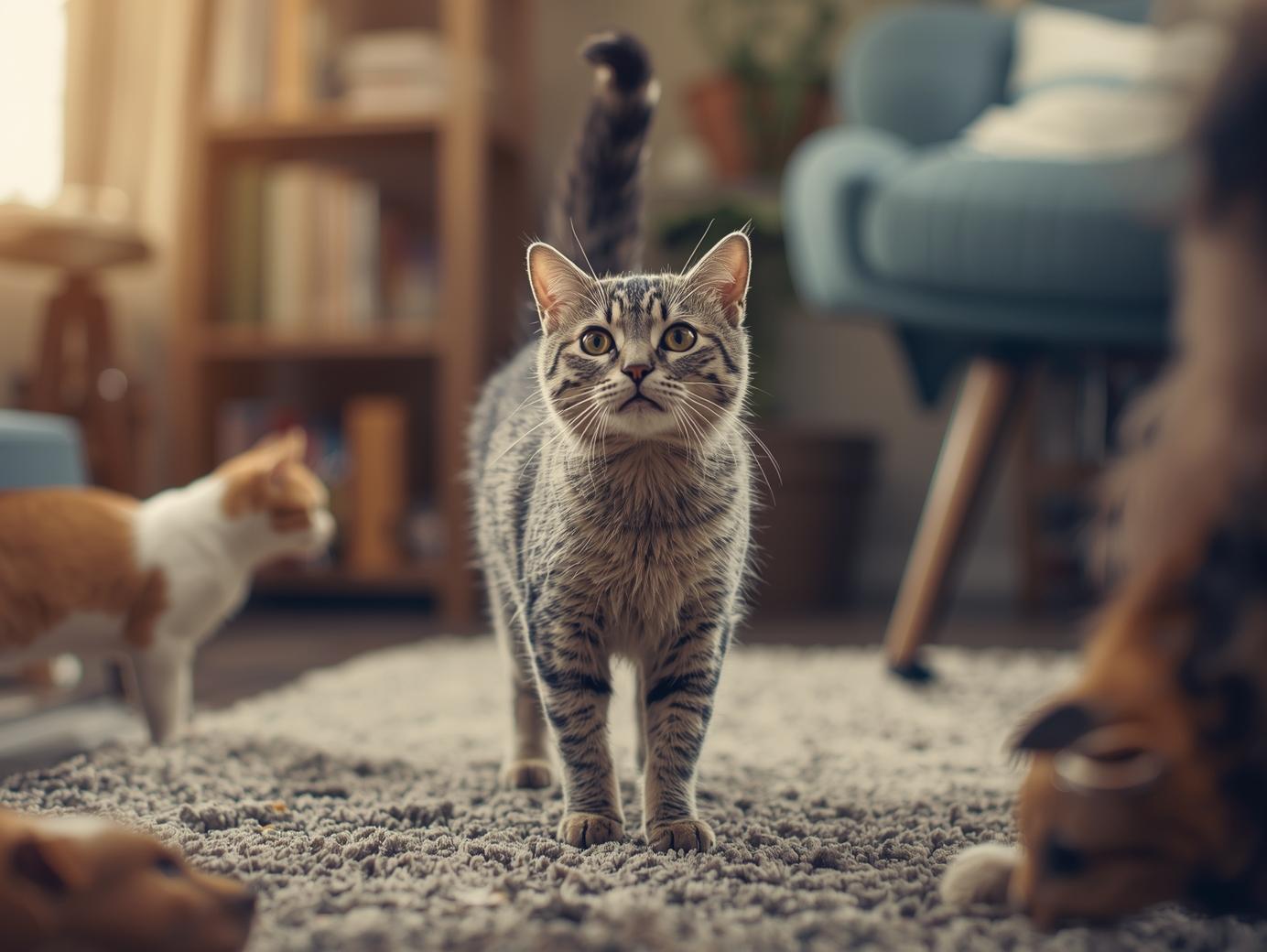
Self-Confidence and Social Development in Cats
Self-confidence in cats is a fundamental element for social relationships and healthy interaction with the environment. Good socialization and positive experiences lower the cat's stress level, reduce behavior problems, and increase the quality of life.
Socialization Window
- The critical socialization period for kittens usually starts between 2–7 weeks and continues until 7–14 weeks. During this period, different human, sound, environment, and other animal experiences should be offered safely.
Practical Steps to Develop Self-Confidence
- Daily play and discovery time: Your cat's self-confidence increases with short but frequent play sessions every day.
- Positive reinforcement: Reward good behaviors; do not approach with fear or force.
- Gradual introduction: Follow slow and controlled steps in introducing new humans or animals.
- Create a routine: Consistency in feeding, play, and rest hours creates a sense of trust in the cat.
Example Exercises and Practices
- Square motivation game: Scatter food pieces in an area and ensure the cat searches for them.
- Mass control: Balance and self-confidence can be increased with short games encouraging descending from high platforms.
- Fear desensitization: Exposure to new sounds or items at a low intensity and associating them with positive rewards.
Problems and Intervention Methods
- Excessive hiding or aggression: Refer to a veterinary behavior specialist; eliminate underlying health problems.
- Avoidance behavior due to fear: Corrected by patient, gradual introduction and positive reinforcement.
Age-Related Recommendations
- Kitten (0–6 months): Use the socialization window productively; introduce to different people, surfaces, and light sounds.
- Young (6–24 months): Increase game diversity; provide mental stimulation with intelligence toys.
- Adult/old: Proceed more slowly in new adaptations; take joint or health problems into account.
Special Needs or Anxious Cats
- Support self-confidence with accessible areas, ramps, and low-effort games.
- Apply non-medicinal behavioral plans with a veterinary behavior specialist when necessary.
> Note: Social development requires patience and consistency. Building trust with your cat can take time; celebrate small gains.