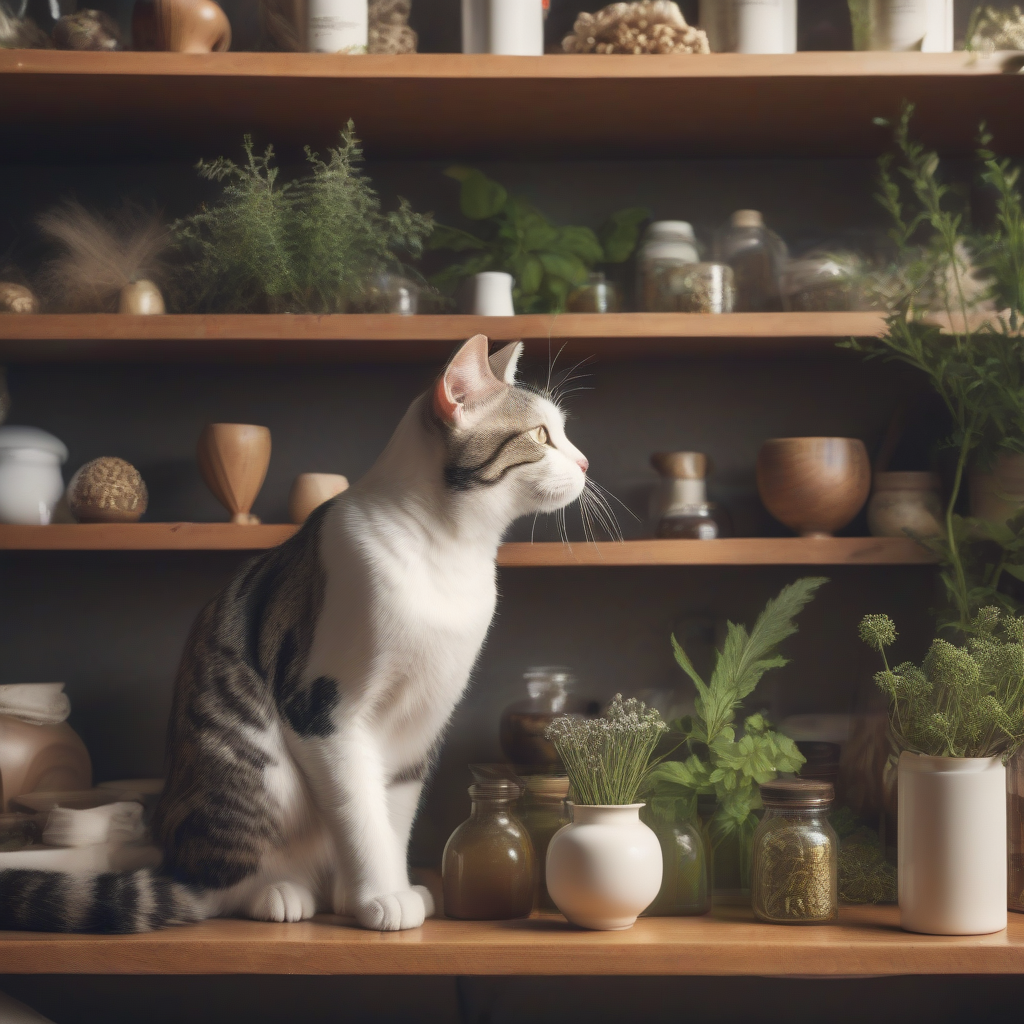
March 2026's Mysterious Meows: A Sensory Feast with Your Cat's 'Scent Architecture'!
As we welcome March 2026, innovative approaches to enhancing the quality of life for our beloved pets continue to gain momentum. One of the prominent trends of this period is the concept of creating a 'Scent Architecture,' specifically targeting the incredible sense of smell in cats. This concept aims to create special spaces that support their mental and physical well-being by deeply understanding how our felines experience the world.
Why is Scent Architecture Important for Cats?
In a cat's perception of the world, smell plays a far more dominant role than sight or hearing. A cat's nose has approximately 14 times more scent receptors than a human's. This means they communicate through scents, detect dangers, find food sources, and even establish their territories. Therefore, creating a rich and stimulating scent environment for our cats is crucial for their overall well-being.
The Rising Trend in March 2026: What is Scent Architecture?
The term 'Scent Architecture' refers to the practice of creating controlled and enriching scent experience areas designed to target cats' natural sense of smell. This goes far beyond simply using an air freshener. The goal is to strategically position a variety of natural scents that will pique a cat's curiosity, offer them opportunities for exploration, and provide mental stimulation.
A 7-Step Guide to Creating the Ideal Scent Architecture for Your Cat
To enrich your cat's sensory world and create a unique 'scent paradise' for them, you can follow these steps:
Step 1: Discover Natural and Safe Scent Sources
The most suitable scents for your cat usually come from nature. Fresh herbs (catnip, valerian, parsley), certain types of safe essential oils (highly diluted and for external use only, like lavender or chamomile), and even natural materials where your cat leaves its own scent are great starting points. Absolutely avoid toxic plants and chemical perfumes.
Step 2: Create Scent Stations
Design specific 'scent stations' where your cat can experience different aromas. These stations can consist of selected scents kept in containers with varying textures. For example, one station might contain dried catnip, while another might have a piece of cloth lightly scented with a safe essential oil. This allows your cat to explore scents selectively.
Step 3: Create Vertical Scent Zones
Cats love vertical spaces. Expand your scent architecture by placing scented objects on top of scratching posts or shelves. Scents placed at higher elevations allow your cat to survey a wider area and experience aromas at different levels.
Step 4: Offer Rotating Scent Experiences
To keep your cat's interest alive, regularly change or refresh the scents. Constant exposure to the same scents can lead to desensitization. Create a sense of constant discovery by rotating scents on a weekly or bi-weekly basis.
Step 5: Enhance Interaction with Scent Games
Make your cat's scent experience interactive. Encourage your cat to explore by using scent-enriched toys or hiding food treats in scented areas. This enhances mental stimulation and makes playtime more exciting.
Step 6: Choose Safe and Calm Scents
Every cat's reaction to scent can differ. When your cat is stressed or timid, opt for calming scents. Natural aromas known for their relaxing effects, such as lavender or chamomile, can help your cat feel more at ease.
Step 7: Observe and Adjust
Most importantly, observe your cat's reactions carefully. Which scents do they show more interest in? Which scents seem to bother them? These observations will help you adjust your scent architecture according to your cat's individual needs and preferences.
Viral Cat Trends and the Connection to Scent Architecture
Trends popular in March 2026, often referred to as 'bio-sensory,' 'energetic,' or 'spatial' enrichment, are directly related to the concept of scent architecture. Any method that stimulates a cat's natural instincts and keeps them mentally and physically active aligns with current trends. Scent architecture is one of the most fundamental and effective elements of these trends.
Conclusion
Your cat's world is a complex map filled with scents. By embracing 'Scent Architecture' in March 2026, you can offer your furry friend not just a living space, but a journey of sensory exploration. This strategic approach will contribute to your cat living a happier, healthier, and more balanced life. Remember, each scent can open a new window into your cat's life!