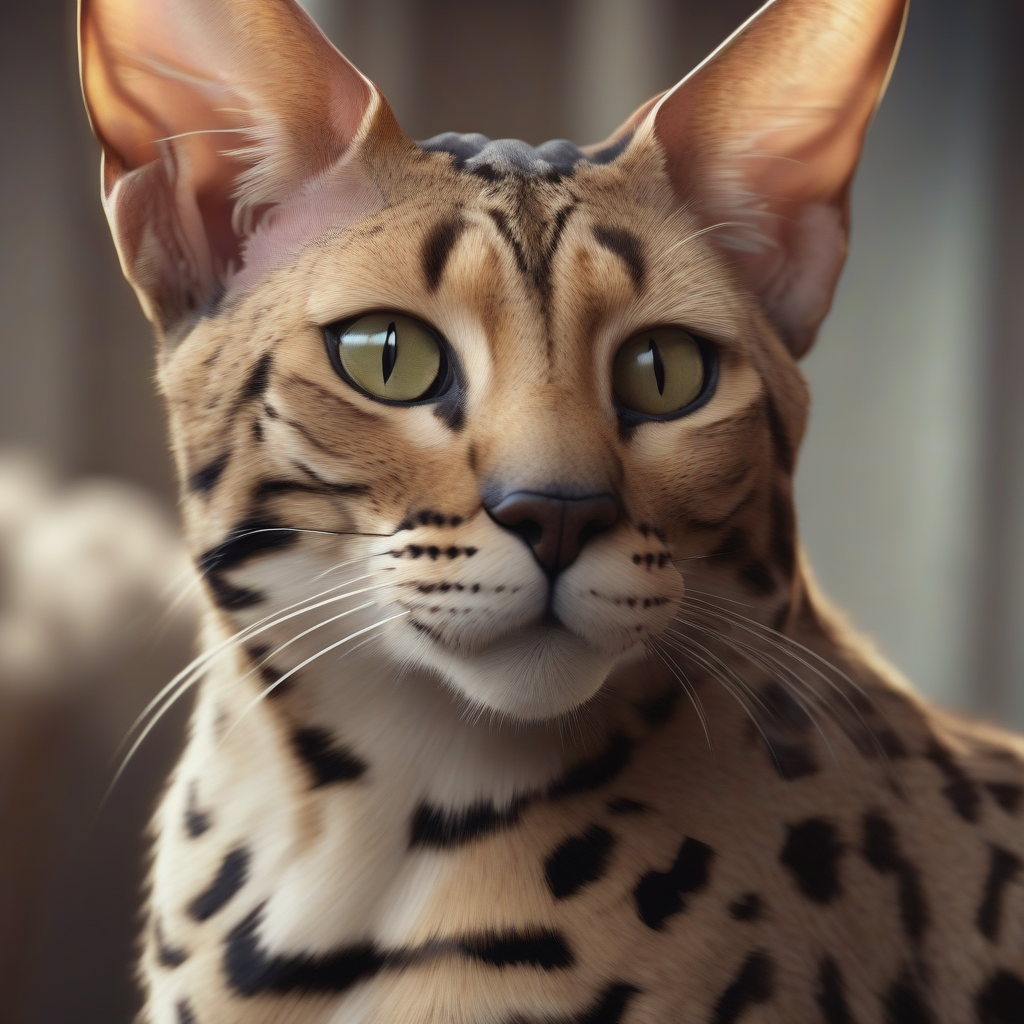
Savannah Cat: Exotic Beauty and Energetic Personality
Among the breeds that always capture the attention of cat lovers, one that truly brings the elegance of the wild into our homes is the Savannah cat. This special breed, a hybrid resulting from the crossbreeding of the African serval (Leptailurus serval) with a domestic cat, is known for its unique appearance, incredible energy, and intelligent nature. If you are looking for an adventurous, active, and unique feline companion, the Savannah cat might be the perfect fit for you. However, it's important to get acquainted not only with this breed's striking looks but also with its specific needs and personality.
Origin and History
The Savannah cat first emerged in the United States in the 1980s, thanks to the efforts of curious breeders who wanted a domestic cat but didn't want to compromise on its uniqueness. The first Savannah kitten was born in 1986. The aim of these crossbreedings was to combine the serval's magnificent patterns, long legs, and majestic stance with the more docile and friendly nature of a domestic cat. Over time, by breeding cats of different generations (F1, F2, F3, etc., indicating their proximity to the serval ancestor), the Savannah breed was standardized and its popularity grew.
Physical Characteristics: A Touch of the Wild
The most striking feature of Savannah cats is undoubtedly their wild appearance inherited from their ancestors. They are typically long and slender. Their bodies are muscular and athletic, giving them a fluid and graceful mobility. One of their most distinctive features is their long, thin legs. Their ears are large, erect, and rounded at the tips, making them appear more alert and always on guard. Their coat is usually short to medium in length and their most prominent feature is their dark spots that resemble leopard markings. These spots are generally round or oval, and the base color can range from cream, gold, brown, or gray tones. Their eyes are usually almond-shaped and possess a lively expression. They may also have dark tear lines running from the corners of their eyes towards their nose, similar to their serval ancestors.
Personality and Temperament: An Energetic Intelligence
Savannah cats are incredibly intelligent, curious, and energetic animals. Their playful nature keeps them constantly engaged. Unlike many other cat breeds, Savannahs are generally not afraid of water and may even enjoy playing with it. Their intelligence is so high that they can learn to reach for door handles and open cabinets. Therefore, it's important to take precautions against potential household hazards.
Savannah cats are very loyal to their owners and can form deep bonds. They are generally quite possessive and attention-seeking, to the point where some might liken them to dogs. Most Savannah cats enjoy following their owners at a certain distance, playing games with them, and even going for walks on a leash. They require ample playtime and mental stimulation to expend their energy. If they become bored or their energy is not depleted, they can exhibit destructive behaviors.
Care Needs: Requiring Special Attention
Caring for Savannah cats may require a bit more specialized attention compared to other domestic cats.
- Diet: A high-protein, balanced diet is vital for supporting the energy levels and overall health of Savannah cats. High-quality cat food or raw feeding programs recommended by a veterinarian can be preferred. Especially early generation (F1, F2) Savannah cats may have more specific dietary requirements.
- Exercise and Mental Stimulation: Plenty of daily play and exercise is essential for Savannah cats to expend their energy. Climbing trees, interactive toys, puzzle feeders, and daily play sessions help keep them mentally and physically engaged. Without sufficient stimulation, they can become bored and exhibit undesirable behaviors.
- Social Needs: Savannah cats do not like being left alone. They can experience stress if left alone for long periods. If you will be away from home for long hours, it's important to try and alleviate their loneliness with a second cat or plenty of toys. Some Savannahs can get along well with other pets, but this depends on socialization processes and individual temperaments.
- Health: While generally a healthy breed, some Savannah cats may have genetic predispositions. Hip dysplasia, eye problems, and heart-related conditions are among the issues that can be more commonly observed in this breed. Regular veterinary check-ups are crucial for early diagnosis and treatment of potential health issues.
Who Are They Suited For?
Savannah cats are ideal for experienced cat owners who have an active lifestyle, can spend a lot of time at home, and can provide them with adequate attention and stimulation. They can be wonderful companions for those willing to dedicate patience, understanding, and plenty of playtime. However, for those seeking a calm and quiet life or preferring a less active cat at home, the Savannah cat may not be a suitable choice.
In conclusion, the Savannah cat is a captivating breed, enchanting with both its appearance and its personality, representing a wild spirit transformed into a gentle domestic friendship. When provided with the right environment and care, they will bring incredible energy, joy, and uniqueness into your life.