The Safari Cat: An Exotic Wild Beauty and Striking Companion for Your Home
The mysterious and elegant world of felines sometimes brings us together with the captivating beauties of wildlife. The Safari Cat is one of the most remarkable examples of this unique combination. Originating from the hybridization of a domestic cat with the wild Geoffroy's Cat (Leopardus geoffroyi) native to South America, this breed is known for its stunning spotted coat inherited from its wild ancestors and its loyal personality, making it suitable as a pet. While not yet a widely known breed, the Safari Cat's distinctive characteristics give it a special place among cat lovers.
Origins and History
The story of the Safari Cat begins in the early 1970s in the United States, with efforts to create an exotic-looking yet domesticated breed by crossing domestic cats with the wild Geoffroy's Cat. These efforts aimed to increase genetic diversity and bring the aesthetic beauty of wild cats into a home environment. The Geoffroy's Cat is a small, spotted wild cat found in South America, and it passed on its characteristic patterns and athletic build to the Safari Cat. This hybridization program was a process that required many years of selective breeding and patience. The goal was to create a companion that both resembled the wild in appearance and could live harmoniously indoors. Therefore, while the first generations of Safari Cats often exhibited more wild traits, subsequent generations showed a more pronounced domesticated temperament.
Physical Characteristics
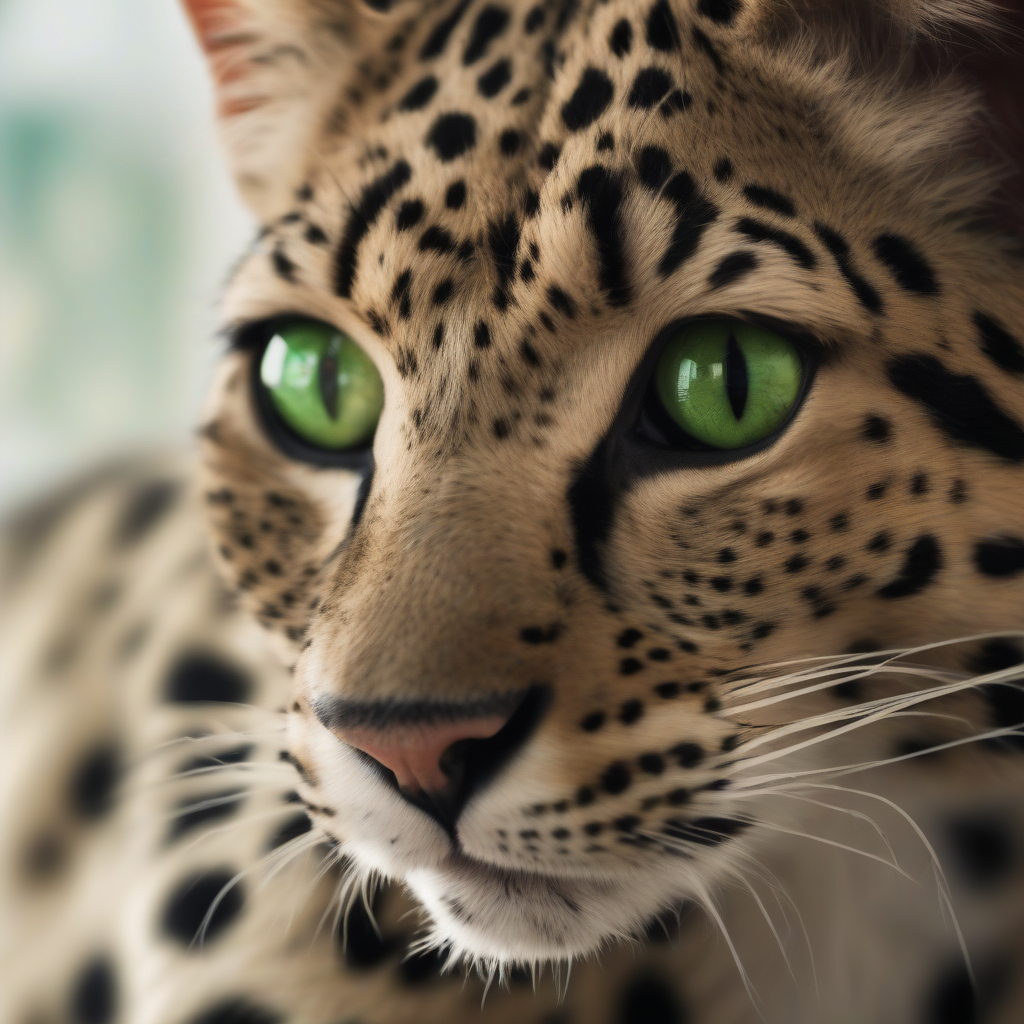
Safari Cats are medium to large in size, with an elegant and muscular build. Their most striking feature is undoubtedly their spectacular coat pattern. Their fur typically has spotted or marbled patterns in shades of brown, black, silver, or gold. These patterns are very similar to the coat of their wild ancestor, the Geoffroy's Cat, giving them the appearance of a miniature leopard. Their heads are proportionate, their eyes are large and often green or amber, and they may have a distinct 'M' pattern on their forehead. Their ears are medium-sized and erect. Long, muscular legs emphasize their agile and athletic nature. Their tails are medium in length and usually thick, carrying the same coat pattern. The fur is short and dense, which makes grooming relatively easy.
Character and Temperament
Despite their exotic appearance, Safari Cats have a very affectionate, intelligent, and energetic character. Thanks to their intelligence, they are eager to learn new things and solve problems. These cats often exhibit 'dog-like' behaviors; they can be extremely loyal to their owners, follow them around the house, and can even be leash-trained for walks. They love to play and require plenty of mental and physical stimulation. Running, climbing, and engaging in hunting games are indispensable for them. They are social beings and enjoy spending time with their families. However, they may be a bit reserved with strangers initially. They can get along well with other pets and children, provided they are socialized from a young age. Their vocalizations are generally quieter and more chattery than those of many other domestic cats.
Care Requirements
Caring for a Safari Cat is quite easy due to their short fur. Brushing them once or twice a week is sufficient to reduce shedding and maintain the shine of their coat. However, due to their high energy levels, special attention must be paid to their exercise needs. Providing at least 30-60 minutes of intense playtime daily will help keep them happy and healthy. Climbing trees, interactive toys, and safe outdoor access (if possible) are important for meeting their physical and mental needs. In terms of nutrition, a high-quality, protein-rich diet should be preferred. Some Safari Cat owners may also opt for raw meat diets that closely mimic their natural hunting diet, but a veterinarian should always be consulted on this matter. Dental, ear, and nail care should also be performed regularly.
Health and Lifespan
Safari Cats are generally healthy and can live for an average of 12-15 years. However, as a hybrid breed, it's important to be aware of certain genetic health issues they might inherit from both domestic cats and Geoffroy's Cats. While there are no specific known breed-specific genetic diseases, regular veterinary check-ups are crucial for general health issues that can affect all cats, such as kidney disease, heart conditions, or obesity. Adopting from responsible breeders is critical for obtaining information about your cat's genetic history and health status. Vaccinations, parasite treatments, and a balanced diet should support a healthy life.
Who Is This Breed For?
The Safari Cat can be ideal for experienced cat owners looking for an energetic, intelligent, and loyal companion. It is particularly suitable for individuals who can spend enough time at home, provide plenty of play and mental stimulation, and allocate space for a large and active cat. It may not be the right choice for first-time cat owners or those with a very quiet lifestyle. While they generally get along well with children and other animals, early socialization is essential. These cats love to form strong bonds with their owners and desire to be an active part of their family. With their exotic looks and unique personalities, they will undoubtedly add excitement and joy to your life.
Conclusion
The Safari Cat is a rare and fascinating breed that combines wild beauty with a domestic soul. Owning one offers much more than a typical cat experience; it means a friendship filled with intelligence, loyalty, and constant adventure. If you can provide a home that can keep up with its energy and meet its special needs, a Safari Cat will bring unforgettable companionship into your life. Remember, every cat is unique, and the Safari Cat, with its distinct character, will add an unparalleled ambiance to your home.