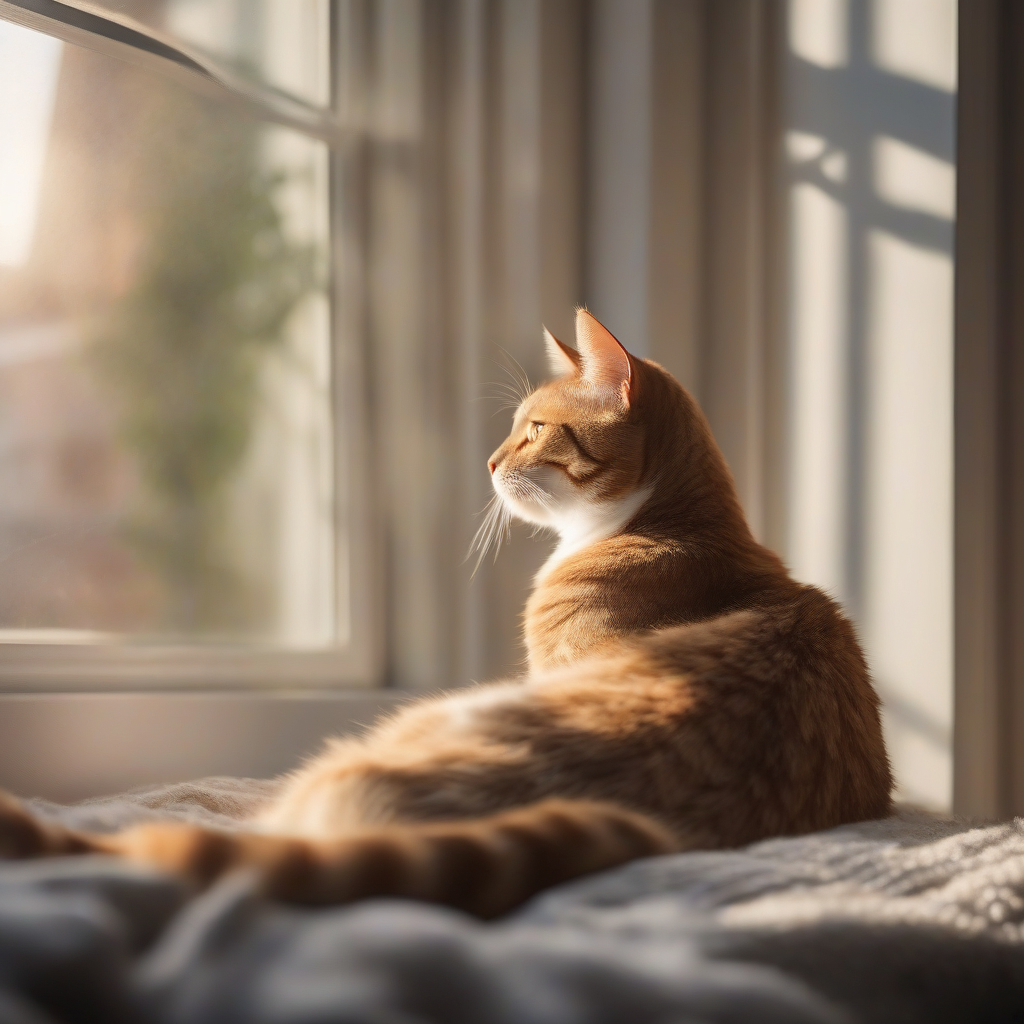
March 2026's Meow-Trend: Reset Your Cat's 'Internal Clock'!
March 2026 is ushering in groundbreaking innovations in pet care. One of the standout trends this year is understanding and optimizing cats' natural bio-rhythms. Scientists and feline behavior experts have discovered that cats' 'internal clocks' profoundly influence not only their sleep-wake cycles but also their energy levels, moods, and even eating habits. So, what does this mysterious 'internal clock' mean, and how can you use it to enhance your furry friend's quality of life?
Understanding Your Cat's Bio-Rhythmic World
Cats' internal clocks, also known as circadian rhythms, follow a roughly 24-hour cycle. However, these rhythms differ from humans. Cats are typically 'crepuscular' animals, most active during dawn and dusk. This stems from their evolutionary predatory nature. They are generally calmer during midday and midnight. In March 2026, understanding this natural cycle and organizing their living environment according to this rhythm is crucial for your cat's physical and mental well-being.
Why Should You Adjust Your Cat's Internal Clock?
- Optimize Energy Levels: Proper internal clock adjustment ensures your cat is more energetic and happier throughout the day.
- Reduce Stress: Routines and predictability reduce stress for cats. Regulating the internal clock enhances this predictability.
- Improve Feeding Habits: Cats eat better and are more receptive to meals when they are more active during certain hours.
- Prevent Behavioral Issues: Problems like boredom, excessive shedding, or aggressive behaviors can arise from imbalanced internal clocks.
- Better Sleep Quality: A regular sleep-wake cycle is fundamental for overall health and well-being.
March 2026's Viral Meow-Trend: Boost Your Cat's Energy in 7 Steps!
Here are 7 smart steps you can take this spring to maximize your furry friend's energy and happiness:
1. Regulate Bio-Rhythms with Lighting: Ensure your cat is exposed to natural daylight. Open curtains in the morning and use dim lighting at sunset. Avoid bright lights in the evening. 2. Establish Consistent Feeding Times: Keep meal and water times regular. Offering meals closer to your cat's most active times will support their appetite and digestion. 3. Set Bio-Dynamic Play Times: Schedule playtimes during dawn and dusk when your cat is naturally most energetic. Puzzle toys and interactive toys will help channel their energy positively during these times. 4. Optimize Sleep Havens: Ensure your cat has quiet, dark, and safe sleeping areas. Sunny and warm spots for midday naps, and cool, calm corners for nighttime sleep are ideal. 5. Control Stimuli: Minimize sound and light stimuli in your home. Preventing your cat from becoming overstimulated helps maintain their internal clock. 6. Stabilize Exercise Routines: Daily exercise sessions help your cat expend energy and sleep better. Short, intense play sessions, especially in the late afternoon, can support nighttime sleep. 7. Observe and Adjust: Every cat is different. Carefully observe your feline friend's behavior and adapt these steps to their individual needs. Consult your veterinarian or a feline behaviorist if necessary.
In March 2026, understanding and resetting your cat's internal clock will allow you to build a stronger bond with them and provide them with a happier, healthier life. Step into the mysterious world of your furry friend and find your rhythm together!