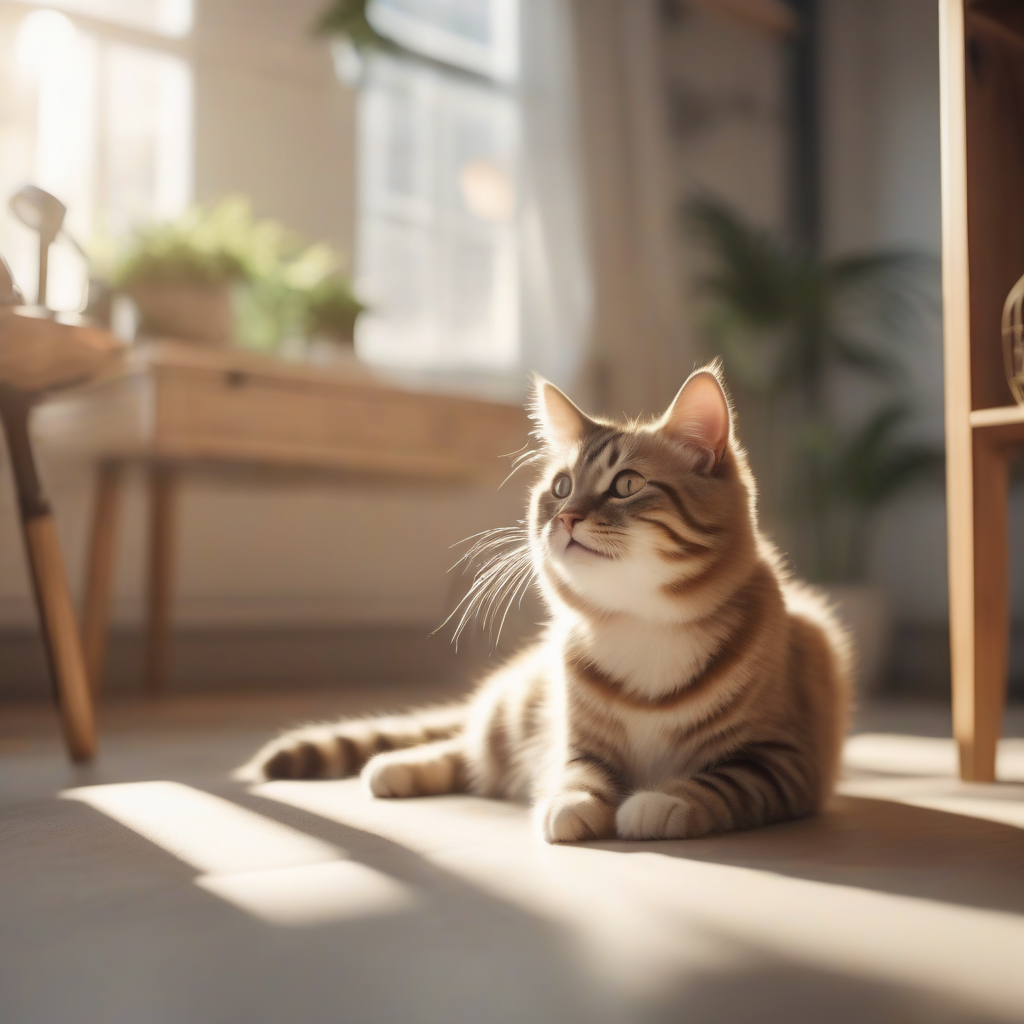
April 2026's Scientific Secret: Reprogram Your Cat's Mood with Gut Microbiome! A 7-Step Bio-Balance Guide
Cats, the mysterious and elegant inhabitants of our homes... Understanding not only their external world but also their inner world is key to deepening our bond with them. But what if the source of your cat's mood, energy, and even behavioral problems lies deep within their body, in their gut? As we arrive in April 2026, the latest scientific advancements in pet health are elevating the concept of the "gut-brain axis" to a groundbreaking level for our feline friends. At Sen YuDo Pet, in this article, you will discover the astonishing connection between your cat's gut microbiome and their mood, and learn how to optimize their physical and mental health with 7 effective steps. We are uncovering scientific secrets for your cat to not only live a happy but also an internally balanced life, from the inside out!
Your Cat's Inner World: What is the Gut-Brain Axis?
The gut-brain axis is a bidirectional communication network between the gut and the brain. This complex system constantly exchanges information through nerves, hormones, and immune cells. The situation is no different for cats. Their digestive system hosts a rich microbiome consisting of billions of microorganisms. These microorganisms not only help digest food but also produce neurotransmitters (brain chemicals), directly impacting your cat's mood, behavior, and overall mental health.
Why is it Important for Cat Health?
An imbalanced gut microbiome can lead to more than just digestive problems in your cat; it can also set the stage for a range of mood and behavioral issues such as chronic stress, anxiety, aggressive behaviors, insomnia, and even cognitive decline. Research shows that a healthy gut microbiome strengthens your cat's immune system, increases their resistance to allergies, and improves their overall quality of life. As of April 2026, this connection has become one of the most talked-about topics in veterinary medicine and pet nutrition.
The Link Between Gut Microbiome and Your Cat's Mood
Your cat's gut can be considered a "second brain." Gut bacteria can produce precursors to happiness hormones like serotonin and dopamine. This has a direct impact on your cat's overall mood and well-being. An imbalance in the microflora (dysbiosis) can affect the production of these valuable chemicals, causing your cat to become more irritable, anxious, or overly reactive.
Stress, Anxiety, and Gut Health
Stress and anxiety in cats can negatively affect the gut microbiome, and vice versa. The stress hormone cortisol can weaken the gut barrier, leading to "leaky gut" syndrome, which triggers inflammation and the spread of toxins throughout the body. This cycle can severely impair your cat's physical and mental health. Balancing the microbiome can enhance your cat's ability to cope with stress.
Root Causes of Behavioral Issues
Many behavioral issues exhibited by cats—urinating outside the litter box, excessive meowing, hiding, aggression—may not only be related to training or environmental factors. Current research indicates that underlying gut dysfunction might be a root cause of such problems. Improving gut health can yield surprising results that help your cat become calmer, happier, and more harmonious.
April 2026 Trend: Establish Your Cat's Bio-Balance in 7 Steps!
Discover 7 scientific steps you can take to optimize your cat's gut-brain axis and provide them with a balanced, happy life:
Step 1: High-Quality, Balanced Nutrition
Avoid processed foods and offer your cat high-quality, easily digestible protein sources, healthy fats, and diets enriched with appropriate carbohydrates. Opt for natural and holistic ingredient-based foods instead of grain-based or artificial additive-laden ones. You can discuss raw feeding (BARF) or homemade diet options with your veterinarian.
Step 2: Prebiotic and Probiotic Supplements
One of the most effective ways to support the gut microbiome is to add prebiotics and probiotics to your cat's diet. Prebiotics are a food source for healthy bacteria, while probiotics directly provide beneficial bacterial cultures. Choose high-quality supplements specifically formulated for cats. Human products like kefir or probiotic yogurt may not be suitable for cats; be cautious.
Step 3: Importance of Hydration
Adequate water intake is critical for healthy digestion and gut function. Ensure your cat always has access to fresh water. Moving water fountains can encourage your cat to drink more. Wet food also provides additional hydration through their meals.
Step 4: Stress-Reducing Environment Design
Environmental stress directly impacts your cat's gut health. Create a calm and predictable living space with safe hiding spots, climbing opportunities, plenty of play, and mentally stimulating toys. Pheromone diffusers or calming herbal supplements can also help.
Step 5: Regular Vet Check-ups and Analyses
Routine veterinary check-ups allow for monitoring your cat's overall health and detecting potential issues early through more advanced tests like gut microbiome analysis. As of April 2026, specialized fecal microbiome tests offer in-depth insights into your cat's gut health.
Step 6: Support with Right Supplements
Upon your veterinarian's recommendation, you can add supplements like omega-3 fatty acids (reduces inflammation), digestive enzymes (improves nutrient absorption), or L-Glutamine (strengthens the gut barrier) to your cat's diet. Always seek veterinary advice.
Step 7: Observation and Behavior Analysis
Closely monitor your cat's stool quality, appetite, energy levels, and behavioral changes. Any negative change could indicate an issue with the gut microbiome. Sharing your observations with your veterinarian can help develop a more targeted approach.
The Key to Your Cat's Happiness in the Future
Understanding and optimizing your cat's gut microbiome is one of the most important steps you can take to ensure they live a healthy life, not just physically but also mentally and emotionally. This groundbreaking scientific trend of April 2026 has the potential to deepen your bond with your furry friend while offering them a longer, happier, and more balanced life. At Sen YuDo Pet, we will continue to bring you the latest information and innovative solutions. Unleash your cat's inner potential by establishing their bio-balance!