March 2026's Critical Guide: Reduce Your Cat's Obesity Risk! 7 Secrets to Your Feline Friend's Ideal Weight and Healthy Life!
As we enter March 2026, new trends and health approaches continue to rapidly evolve in the pet world. However, beyond all these innovations, there is a persistent and unfortunately growing health problem: feline obesity. This condition, which directly affects the quality of life and longevity of our furry friends, has become one of today's most critical 'meow-health' topics.
Leaving behind the inactivity of winter and refreshing with the energy of spring, now is the perfect time to help your cat maintain or regain their ideal weight. In this guide, we will explore 7 smart and holistic solutions for March 2026 to combat feline obesity and ensure your cat lives a healthy, happy life. Your cat's health is in your hands!
Feline Obesity: A Silent Danger
What is Obesity and Why is it Important?
Obesity is a condition where your cat's body weight is 20% or more over their ideal weight. A 'chubby' cat that many owners find cute might actually be inviting serious health problems. Modern lifestyles, time spent indoors, excessive food treats, and inappropriate feeding regimens are among the main causes of this danger.
Effects of Obesity on Your Cat's Health
Excess weight, just like in humans, leads to a range of serious health issues in cats. Diabetes, joint diseases (arthritis), heart conditions, urinary tract infections, fatty liver disease, and certain types of cancer are directly linked to obesity. Furthermore, overweight cats experience reduced mobility, difficulty with grooming, and a general decline in their quality of life. As of March 2026, taking preventive measures is considered far more valuable than treatment costs and your cat's suffering.
Determining Your Cat's Ideal Weight
The first step to understanding if your cat is obese is to know their ideal weight. This is best determined through a professional assessment by a veterinarian.
Body Condition Score (BCS)
BCS is a standardized method that evaluates your cat's body fat percentage on a scale of 1 to 9. A score of 1 means very thin, 5 is ideal, and 9 indicates severely obese. Your veterinarian can determine this score by checking your cat's ribs, waistline, and abdominal area. An ideal cat's ribs should be easily felt but not visible, and they should have a discernible waistline.
Communication with Your Veterinarian
If you have concerns about your cat's weight or are considering starting a weight loss program, your first stop should be your veterinarian. Your vet will assess your cat's current health status, rule out any underlying health issues, and create a customized feeding and exercise plan for you.
7 Smart Solutions Against Obesity: Your Cat's Healthy Weight Journey
1. Quality and Controlled Nutrition
The foundation of your cat's diet is the right food. March 2026 trends point towards high-quality protein, low-carbohydrate, and fiber-rich cat foods. The important thing is to feed the amount recommended by your veterinarian with the right food. Avoid the 'free-feeding' method and establish specific meal times.
2. Smart Portion Management
The golden rule in combating obesity is to provide the correct portions. Instead of relying on general guidelines written on the food packaging, weighing the amount recommended by your veterinarian based on your cat's age, activity level, and ideal weight will make a big difference. Smart feeders or automatic dispensers that offer multiple small meals can assist you in this regard.
3. Plenty of Movement and Playtime
Cats are natural hunters and need to move. Interactive toys like laser pointers (being careful not to shine them in their eyes), feather wands, string toys, or scratching posts are excellent ways to increase their daily exercise. Two 10-15 minute active play sessions per day help your cat burn calories and strengthen their muscles.
4. Awaken the Hidden Hunter Instinct
Make meal times more engaging and physically challenging. Food puzzles or dispenser toys encourage your cat to work for their food. This not only promotes calorie burning but also provides mental stimulation, which can reduce stress. Hiding small portions of food in different parts of the house also encourages your cat to mimic natural hunting behavior.
5. Reduce Stress, Increase Happiness
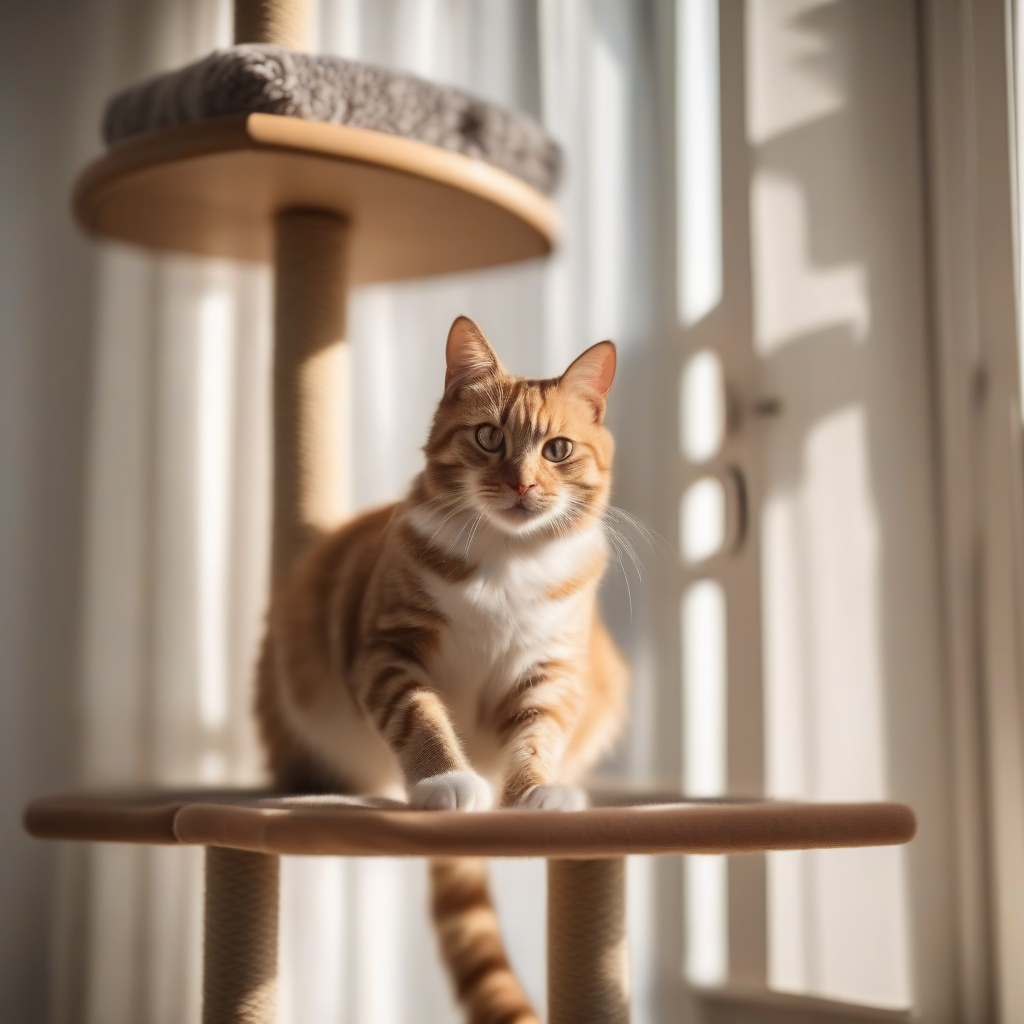
Some cats, like humans, may overeat due to stress or boredom. Reducing stress factors in your cat's environment and providing them with a safe and enriching living space can indirectly contribute to weight control. High climbing areas, hiding boxes, and window perches help your cat feel secure.
6. Family-Wide Participation and Consistency
If multiple people live in the household, it is crucial that everyone adheres to the same rules regarding the cat's feeding and exercise program. 'Secretly' given extra treats or incorrect portions can negate all your efforts. A shared understanding and consistent application are critical for success.
7. Regular Vet Check-ups and Monitoring
Your cat's weight loss journey can be a long one. Regular veterinary check-ups are vital for monitoring progress, adjusting the plan if necessary, and overseeing your cat's overall health. Your veterinarian can also check for any underlying medical conditions causing weight gain and provide tailored guidance.
March 2026 and Spring Motivation
March 2026, with the arrival of spring, heralds new beginnings and rejuvenation. This period can be a great source of motivation to focus on your cat's health and offer them a more active, happier life. Sunny days, increased energy, and the desire to spend time outdoors (safely in a catio or on a leash) will help you and your furry friend achieve your weight loss goals.
Achieving your cat's ideal weight is not just an aesthetic concern but also the key to a long and high-quality life. With these 7 smart solutions, you can ensure your cat stays healthy and fit, and fully enjoy the precious moments you spend together. Remember, a healthy cat is a happy cat!