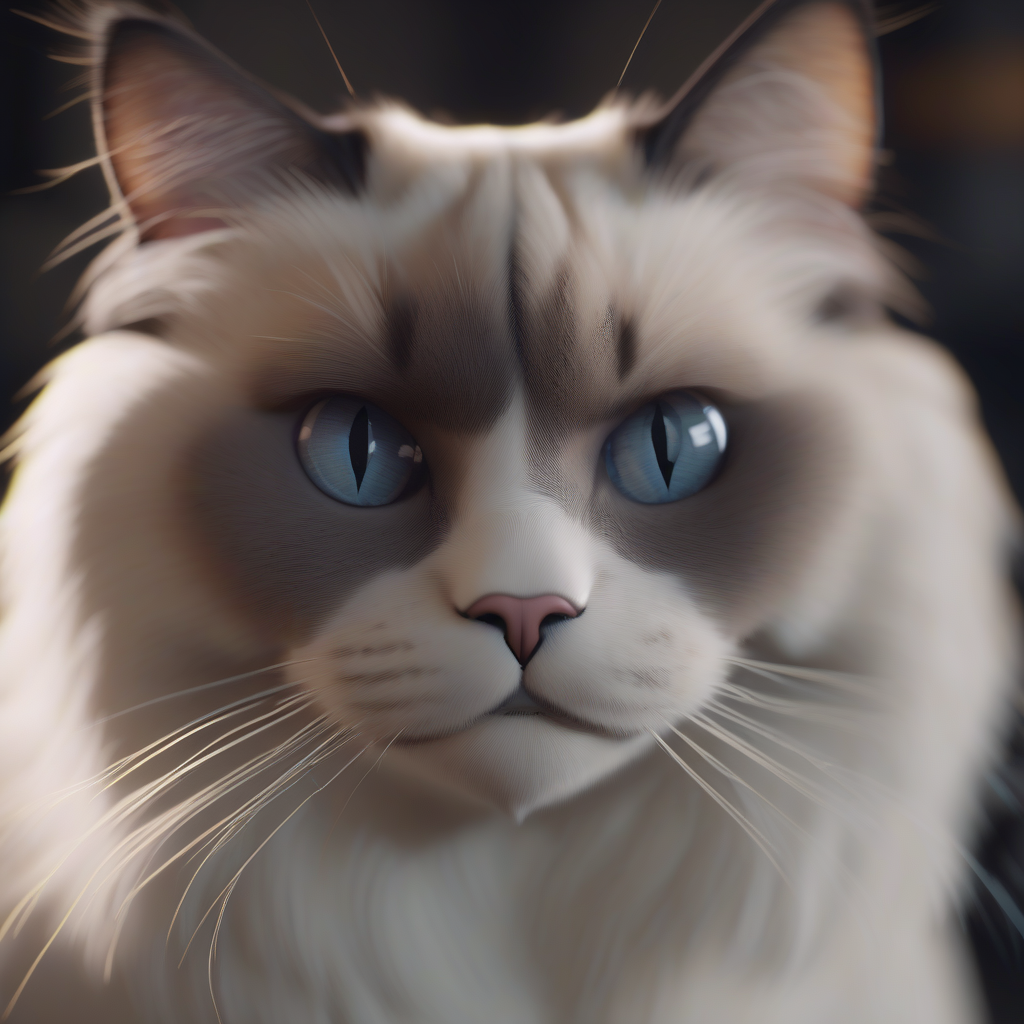
The Ragdoll Cat: Gentle Giants and Affectionate Companions
Introduction: In the world of domestic pets, some breeds stand out not only for their appearance but also for their unique personalities. The Ragdoll cat is precisely one such breed. Its name, "Ragdoll," comes from its tendency to go limp and relax completely, much like a rag doll, when picked up. Large, beautiful, and typically striking blue-eyed, these cats are renowned for their people-oriented temperament, docile nature, and calm demeanor. In this article, we will take a closer look at the fascinating world of Ragdoll cats, covering everything you need to know from their origins and care tips to their health and character traits. This serves as a comprehensive guide for anyone considering bringing a Ragdoll into their home or simply wishing to learn more about this magnificent breed.
Origin and History: The story of the Ragdoll breed begins in the early 1960s in California. Ann Baker, a breeder, noticed that kittens born to a semi-feral, long-haired cat named Josephine exhibited an exceptionally docile and friendly nature. While urban legends suggest Josephine's temperament changed after a car accident and subsequent treatment, this has not been scientifically proven. Baker selectively bred these kittens, aiming to produce cats that were incredibly calm, easily cuddled, and displayed almost no aggression. She named the breed "Ragdoll" inspired by this characteristic trait. Ann Baker established the breed standards and, for a period, monopolized the rights to these cats. However, over time, with the involvement of other breeders, the Ragdoll breed gained worldwide recognition and increased in popularity.
Physical Characteristics: Ragdolls are medium to large-sized, muscular, and majestic cats. Males are generally larger than females, weighing between 10 to 20 pounds (4.5 to 9 kg), while females typically range from 8 to 15 pounds (3.5 to 7 kg). They develop slowly, reaching their full size and the full maturity of their coat colors by 3-4 years of age.
- Coat Type: Their semi-long fur is silky and soft. The undercoat is not overly dense, which makes them shed less and mat less often compared to other long-haired breeds. They feature a "ruff" around their neck and longer fur on their hind legs, resembling "britches."
- Colors and Patterns: Ragdolls are born with a "point" pattern, meaning their body is light-colored, while their extremities like the nose, ears, paws, and tail are darker. The most common colors are seal, blue, chocolate, lilac, cream, and red point. Variations in patterns such as mitted, bicolor, and colorpoint are also available. Mitted Ragdolls have white "mittens" on their paws and a white spot on their chin. Bicolor Ragdolls feature a white inverted V-shape on their face and white markings on their abdomen and legs.
- Eye Color: All Ragdolls characteristically have striking blue eyes.
Character and Temperament: Ragdolls seem to combine the best qualities of both a cat and a dog. There are many reasons why they are called "gentle giants" or "lap cats":
- Docility and Limpness: As their name suggests, their most defining trait is their tendency to go completely limp when picked up. This makes them ideal for children and those seeking a calm lap companion.
- Social and People-Oriented: Ragdolls are incredibly social and fond of people. They often follow their owners around the house, greet them at the door, and love to be by their side. They generally do not enjoy being left alone for long periods and will often seek out their human companions for attention.
- Calm and Quiet: They typically have a serene disposition and do not meow loudly. They express their needs with soft vocalizations or body language.
- Intelligence and Trainability: They are intelligent and can learn simple tricks like "fetch" or walking on a leash. Training them is relatively easy with positive reinforcement. Many Ragdolls enjoy accompanying their owners to the door when the doorbell rings or guests arrive.
- Compatibility with Children and Other Pets: Thanks to their patient and gentle nature, they get along wonderfully with children and other pets (especially dog-friendly dogs). Aggressive tendencies are almost non-existent; they usually prefer to retreat if they feel overwhelmed or annoyed.
Care: Ragdolls' semi-long coats require regular grooming to stay in optimal condition:
- Grooming: Brushing 2-3 times a week helps prevent matting and removes loose fur. Due to their less dense undercoat, their grooming needs are easier than those of other long-haired breeds. Brushing frequency can be increased during seasonal shedding periods. Malt paste can also be used to minimize hairball formation.
- Nutrition: They should be fed high-quality cat food. Protein-rich foods that support the breed's large size and energy levels are preferable. Portion control is essential to prevent excessive weight gain. Following your veterinarian's recommendations for food type and portion sizes is best.
- Nail and Dental Care: Their nails should be trimmed regularly, and special cat toothpastes or dental treats can be used for dental health, as recommended by a veterinarian. Periodic veterinary check-ups are crucial for dental hygiene. Catnip toys and scratching posts can also contribute to nail health.
- Litter Box Hygiene: A clean litter box is critically important for Ragdolls. A dirty box can increase stress and lead to inappropriate urination outside the box. The size of the litter box should also be appropriate for the Ragdoll's larger build.
Health and Diseases: While generally a healthy breed, they can be predisposed to certain genetic conditions:
- Hypertrophic Cardiomyopathy (HCM): The most common heart disease in cats. Regular veterinary check-ups and genetic testing can help in early detection of risk. Responsible breeders test their parent cats for HCM.
- Polycystic Kidney Disease (PKD): A genetic kidney disease that can be seen in some lines. Responsible breeders test their parent cats for such genetic diseases. Early diagnosis and management can improve your cat's quality of life.
- Bladder Stones: Like other breeds, Ragdolls can be prone to bladder stone formation. Ensuring they drink plenty of water and receive appropriate nutrition is important. Your veterinarian may recommend special dietary foods if necessary.
- Lifespan: A well-cared-for Ragdoll can live for 12 to 17 years or even longer.
Why Choose a Ragdoll?
- Pros: Extremely docile, gentle, compatible with children and other pets, relatively easy coat care, social and people-oriented, suitable for apartment living. They love to be cuddled and are loyal companions. They are not noisy and bring tranquility to your home.
- Cons: Do not like being left alone, making them unsuitable for those looking for a pet that can be left alone for long periods. They are prone to being indoor cats, and outdoor living can be risky for them (traffic, other animals, diseases). They require constant attention and affection.
Conclusion: The Ragdoll cat is a breed that captures hearts with its majestic appearance, silky fur, and, most importantly, its unique "rag doll" temperament. If you are looking to add an affectionate, calm, and loyal member to your family, a Ragdoll might be the perfect choice. However, it is important to remember that, like all cats, Ragdolls need love, attention, and proper care. When you provide them with the attention they deserve, they will bring joy and unconditional love into your life. Before adopting a Ragdoll, obtaining one from a responsible breeder or a reputable shelter is key to ensuring your cat is healthy and well-tempered.