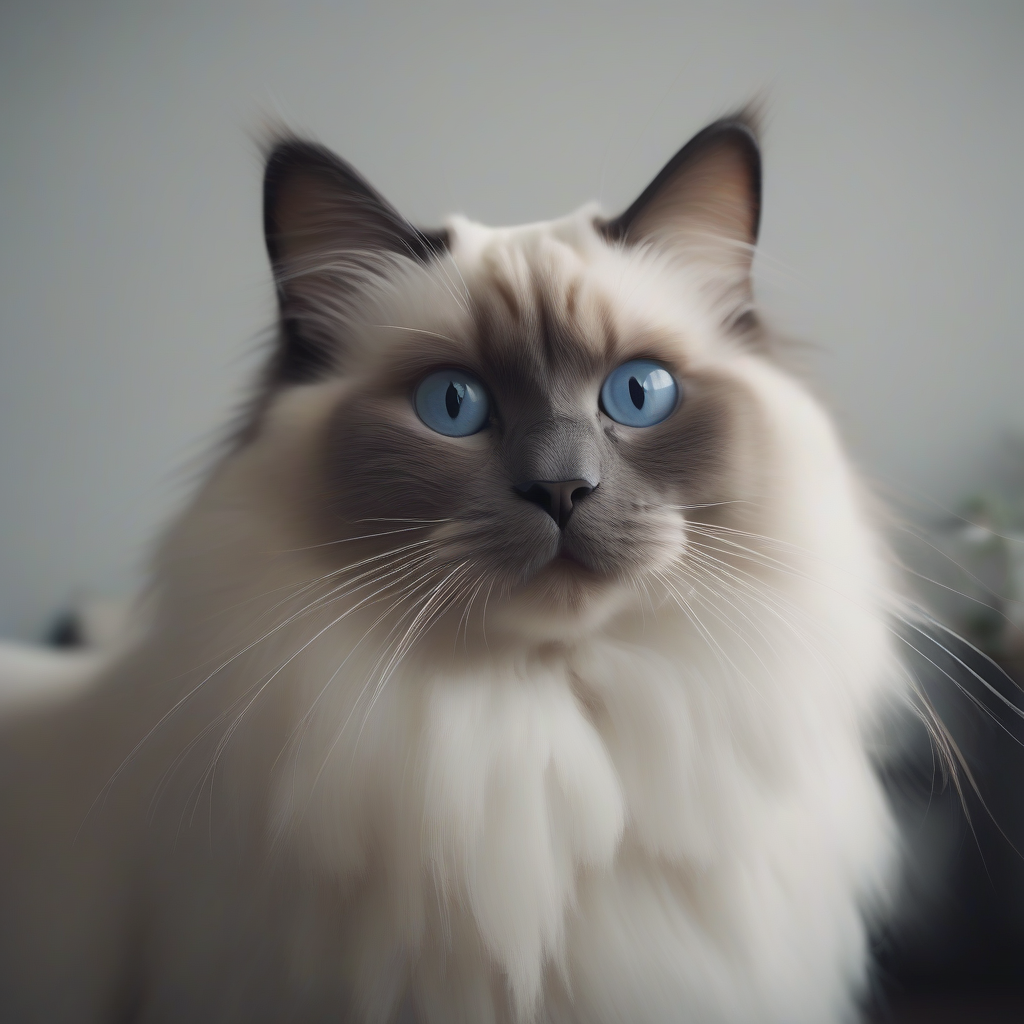
Ragdoll: The Enchanting World of Gentle Giants
For thousands of years, cats have been an integral part of human life, enchanting us with their mysterious and captivating natures. Each one, with its unique personality and appearance, leaves us in awe. Among these diverse felines, the Ragdoll cat stands out for its remarkable calmness, majestic appearance, and affectionate disposition. Its name, meaning "rag doll," aptly describes its tendency to go completely limp and relaxed when picked up, resembling a soft, plush toy.
If you're eager to delve into the world of these gentle giants, to better understand their lives, care, and health, you've come to the right place.
Origin and History of the Ragdoll Cat
The story of the Ragdoll breed began in the 1960s in the United States, initiated by a woman named Ann Baker. It is believed that Baker's cats, particularly a Persian and Siamese mix named Josephine, possessed an extraordinary ability to relax completely when held. Baker, convinced this trait was genetic, began breeding these cats to establish a new breed. Over time, specific standards and characteristics were defined, shaping the Ragdoll breed into what it is today.
Physical Characteristics: An Epitome of Grace
Ragdoll cats are typically medium to large in size, possessing a strong, muscular build. Males are often larger than females. Their most striking feature is their large, expressive, almond-shaped eyes, which are usually a brilliant, deep blue. These eyes contribute significantly to their serene and gentle facial expression. Their fur is medium in length, silky, and soft to the touch. The Ragdoll's coat texture tends to shed less than that of some other long-haired breeds, but regular grooming is still essential.
Ragdolls are known for their distinctive "points"—areas of darker coloration on their bodies, contrasting with the lighter color of the rest of their fur. These points typically include the ears, face (mask), legs, and tail. The rest of their body can be a lighter shade. There is a wide variety of colorations, including seal (dark brown), blue, chocolate, and lilac, and these can come in patterns such as "mitted" (with white paws) or "bicolor" (with significant white patches on the body).
Temperament and Personality: Loving Companions
Perhaps the most defining characteristic of Ragdoll cats is their incredibly calm and friendly temperament. They adore being held, petted, and spending time with their human families. Living up to their "rag doll" name, they become completely limp and relaxed when picked up. This makes them an ideal choice for families with children and households with other pets. Their placid and patient nature, devoid of aggression, has even led to their consideration as therapy animals.
Ragdolls can be playful but their games are generally gentle and subdued. They are intelligent cats, and some can learn simple commands or engage in games like fetch. They form strong bonds with their humans and can become distressed if left alone for extended periods. Therefore, if you are frequently away from home for long hours, it's important to make arrangements to ensure your Ragdoll is not left without companionship.
Ragdoll Cat Care: Simple Yet Important Steps
Caring for Ragdoll cats is generally easier than for many other long-haired breeds, as their fur is less prone to matting. However, regular brushing a few times a week is still necessary to remove loose hairs, prevent matting, and maintain healthy skin and a shiny coat.
- Grooming: Weekly brushing, especially during seasonal shedding periods, is recommended. This not only helps your cat relax but also strengthens your bond.
- Eye Care: Due to their striking blue eyes, discharge may occasionally occur around the eye area. Gently clean with a damp cloth if necessary.
- Nail Trimming: Regular nail trimming is important for both your safety and your cat's well-being.
- Nutrition: They require a balanced diet of high-quality cat food. Choosing food appropriate for their age and activity level is crucial. Portion control is important to prevent obesity.
- Play and Activity: While gentle, Ragdolls enjoy playtime. Provide toys and activities that encourage interaction and provide mental and physical stimulation throughout the day.
Ragdoll Cat Health: What to Watch For
Ragdolls are generally healthy cats with an average lifespan of 12 to 17 years. However, they may have certain genetic predispositions:
- Hypertrophic Cardiomyopathy (HCM): This is a disease where the heart muscle thickens, which can occur in many cat breeds. Symptoms can include shortness of breath, rapid heart rate, and lethargy. Regular veterinary check-ups are important.
- Polycystic Kidney Disease (PKD): This is an inherited condition where cysts form in the kidneys, which can eventually lead to kidney failure.
- Urinary Tract Health: Some Ragdolls may be prone to urinary tract infections or crystal formation. Encouraging ample water intake and feeding an appropriate diet can help.
Being aware of these potential health issues and undergoing regular veterinary examinations can help ensure your cat enjoys a long and healthy life.
Conclusion: Bring Joy into Your Life with a Ragdoll
With their calm demeanor, gentle nature, stunning beauty, and loving personality, Ragdoll cats are truly special companions. If you are seeking a devoted, affectionate, and love-filled friend for your home, a Ragdoll could be the perfect choice. Their quiet presence alone can bring peace and joy to your household. Remember that every cat is an individual, but the consistently positive traits of the Ragdoll breed have undoubtedly made them one of the most beloved pets in the world.