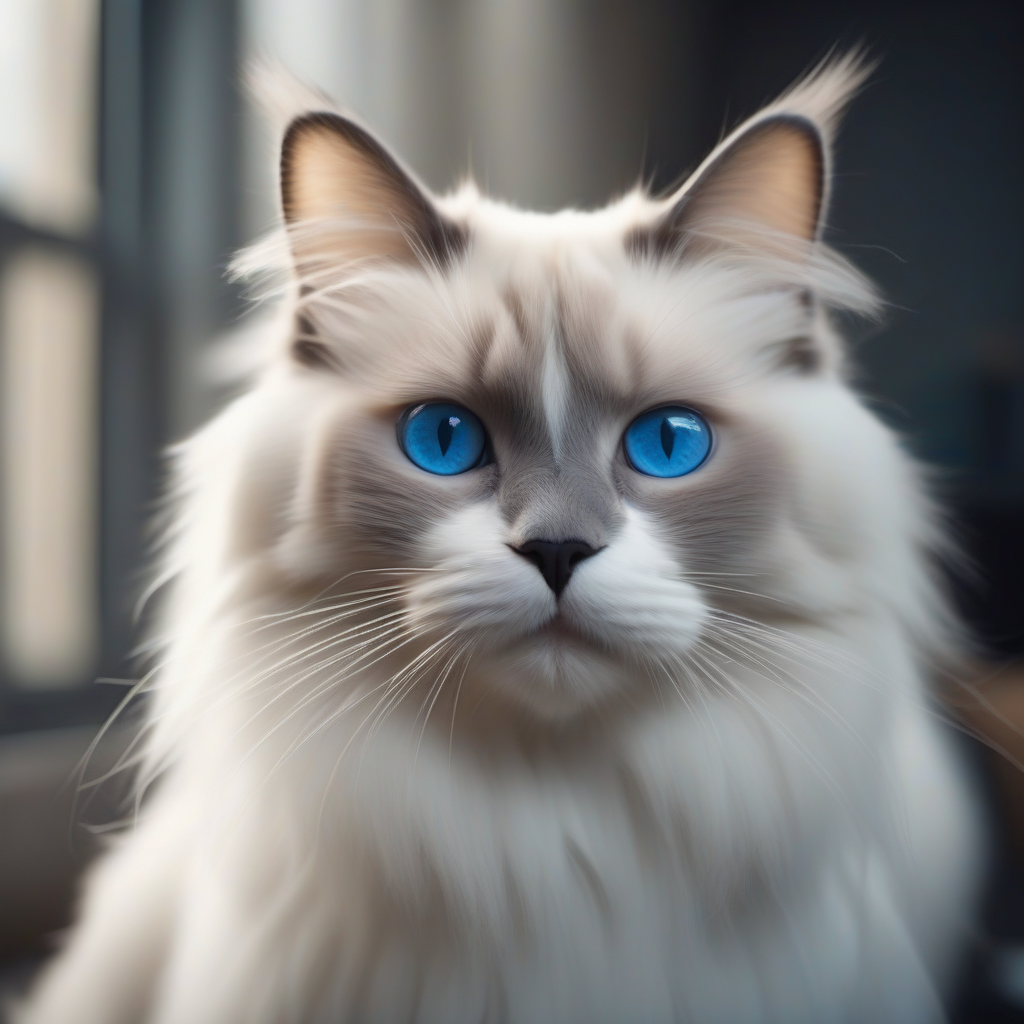
Ragdoll Cat: The World of Blue-Eyed Gentle Giants
Among the feline world, the Ragdoll stands out as one of the breeds distinguished by both its beauty and unique character, truly a living work of art. Known for their mesmerizing blue eyes, soft semi-long fur, and their ability to go limp in your arms like a "ragdoll," this breed has successfully captivated the hearts of animal lovers worldwide. If you are considering adopting a Ragdoll cat or wish to learn more about this special breed, you are in the right place. In this article, we will delve into everything about the Ragdoll cat, from its history and character traits to its care requirements and health conditions.
History and Origin: The Birth of a Legend
The origins of the Ragdoll cat date back to the early 1960s in California. A cat breeder named Ann Baker laid the foundations of this breed using a semi-feral, long-haired, white cat named Josephine, belonging to her neighbor, and her offspring. It was noticed that some of Josephine's kittens, born from various matings with different male cats, had a tendency to go completely limp and relax when held. Ann Baker described this trait as "ragdoll" and began selective breeding, aiming for this unique character. Early Ragdolls included names like Blackie, Fugianna, Daddy Warbucks, and Buckwheat. Baker established the breed standards and registered the Ragdoll name, holding its commercial rights. However, over time, other breeders also contributed to the breed's development, and the Ragdoll became a globally recognized and beloved breed.
Physical Characteristics: A Majestic Presence
Ragdoll cats are notable for their size and majestic appearance. They have a medium to large, muscular, and robust build. Males can typically reach weights of 6-9 kg (13-20 lbs), while females range between 4-7 kg (9-15 lbs). They can take up to 3-4 years to fully mature.
- Coat Structure: Their semi-long fur is silky and soft. Since their undercoat is not overly dense, they are less prone to matting compared to other long-haired breeds. However, they still require regular grooming. The fur is longer and denser around the neck, forming a distinct ruff.
- Color and Patterns: Ragdolls are "point" colored cats, meaning the extremities of their body (ears, paws, tail, and facial mask) are darker in color. While seal, blue, chocolate, and lilac are the most common colors, cream and red can also be seen. They come in various patterns such as mitted (with white paws), bicolor (a white inverted V on the face and white paws), and van (color only on the ears and tail).
- Eyes: One of the most striking features of Ragdolls is their deep, intense blue, oval-shaped eyes. These eyes add an extra layer of depth to their character.
Temperament and Personality: The Home's Ragdoll
Ragdolls fully live up to their "ragdoll" nickname, being exceptionally calm, gentle, and affectionate cats. They are typically people-oriented animals who love to curl up on laps or in bed.
- Social and Affectionate: Ragdolls dislike being left alone and form strong bonds with their family members. It's common to find them following you around the house, moving from room to room, or curled up beside you on the sofa. While not overly demanding, they thrive on love and attention.
- Children and Other Pets: Thanks to their gentle temperament, they get along wonderfully with children and other pets (especially cat-friendly dogs). They are not aggressive or prone to scratching; they usually avoid using their claws even during play. These qualities make them an ideal pet for families.
- "Dog-like" Behaviors: Many Ragdolls will greet their owners at the door, follow them around the house, and are even keen to play games like "fetch." Their vocalizations are typically soft and melodic; they rarely meow loudly.
- Indoor Cats: Due to their vulnerability to outdoor dangers and their calm nature, it is strongly recommended that Ragdolls live exclusively indoors.
Care Requirements: For a Healthy and Happy Life
Ragdoll cats require regular care to lead a healthy and happy life.
- Grooming: Although their semi-long fur is not highly prone to matting, brushing them 2-3 times a week helps reduce shedding and prevents their fur from becoming matted. Using a metal comb and brush is ideal.
- Diet: Feeding them a high-quality, protein-rich cat food is essential. Ragdolls can be prone to obesity, so portion control and regular exercise are important. They should always have access to fresh water.
- Health: While generally a healthy breed, they can be predisposed to some genetic conditions. The most significant are Hypertrophic Cardiomyopathy (HCM) and Polycystic Kidney Disease (PKD). Responsible breeders perform genetic tests for these conditions. Regular veterinary check-ups, vaccinations, and parasite prevention should not be neglected.
- Nail, Ear, and Dental Care: Their nails should be trimmed regularly, ears cleaned, and special dental foods or brushing methods used for dental health.
Living with a Ragdoll: Filling Your Home with Love
Ragdoll cats are wonderful companions that will fill your home with love, serenity, and joy. They love curling up on their owner's lap, extended petting sessions, and calm environments. Providing sufficient climbing and play areas at home is important for their mental and physical stimulation. Although they enjoy climbing to high places, their agility might be slightly less than other breeds, so secure climbing trees are ideal. Since they dislike being alone, they can be a good option for those who are away from home for long hours or are considering a second pet.
Conclusion
The Ragdoll cat is truly a unique breed with its beauty, calm nature, and affection for humans. Their blue eyes, silky fur, and "ragdoll" temperament will bring warmth and joy to your home. If you wish to add a new member to your family and gain a companion filled with unconditional love, a Ragdoll cat might be the perfect choice for you. They will not just be a pet but a cherished member of your family.