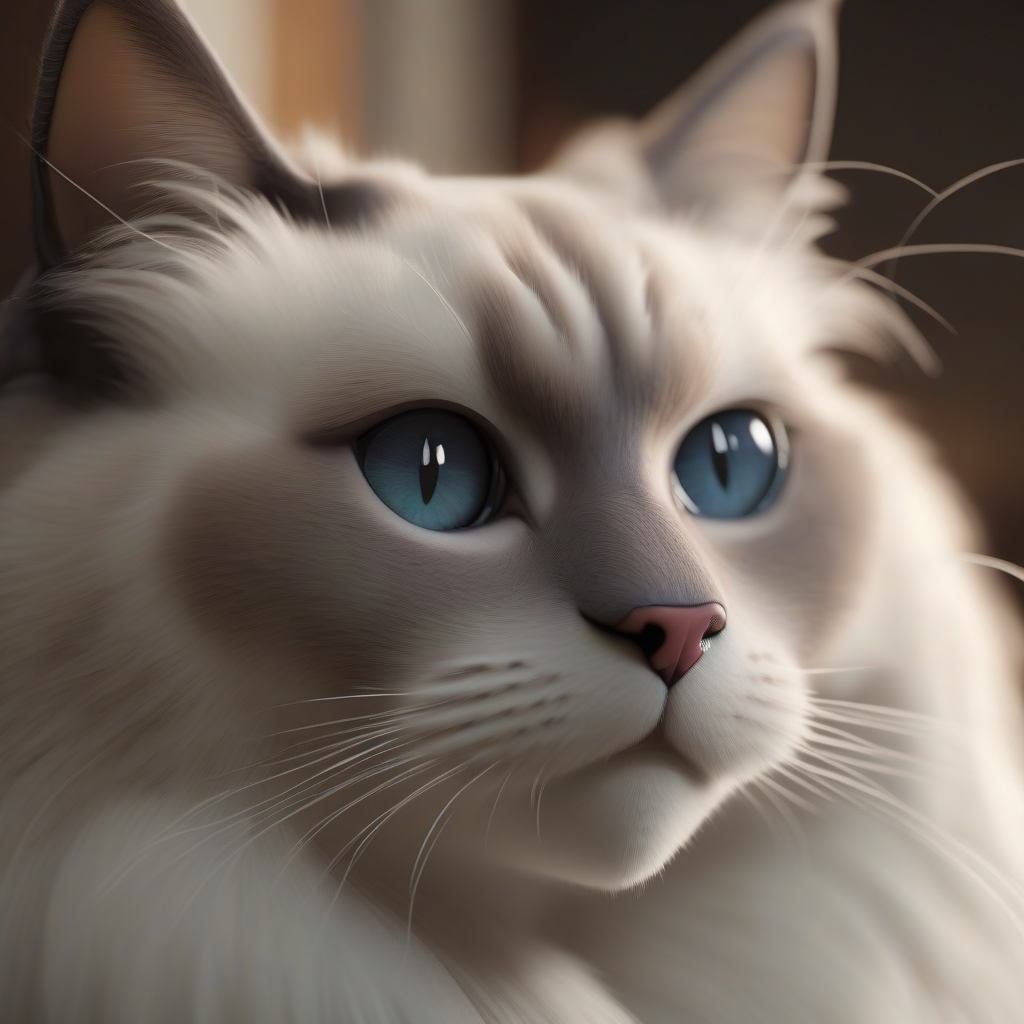
Ragdoll Cat: Blue-Eyed Gentle Giants and Their Care
Cats have been a part of human life for thousands of years, mysterious and loving companions. Among the many cat breeds, each with its unique personality and appearance, one breed stands out for its calmness, gentleness, and striking blue eyes: the Ragdoll.
Origin and History of the Ragdoll Cat
The Ragdoll breed was developed in the United States in the 1960s by Ann Baker. Baker named them Ragdolls because her cats would go limp and relaxed like a rag doll when picked up. Unlike other breeds, Ragdolls generally enjoy being held, which is a characteristic trait. This unique trait played a significant role in the breed's popularity.
Physical Characteristics of the Ragdoll Cat
Ragdoll cats are known for their large and muscular build. An average adult Ragdoll can weigh between 4.5 to 9 kg, with some even heavier. The most distinctive feature of this breed is the intense blue color of their eyes. Their eyes are almond-shaped and usually medium-sized. Their coat is semi-long, silky, and soft. They have denser fur around their neck and hind legs. Their bodies can come in various colors and patterns, such as white, cream, blue, and chocolate. Their body structure is generally medium to long, strong, and sturdy.
Temperament and Behavior of the Ragdoll Cat
The most well-known trait of Ragdoll cats is their tendency to go limp like a rag doll when picked up, hence the name "Ragdoll" which means "rag doll." They have a very calm, docile, and affectionate disposition. They get along well with people and other pets. They are intelligent and playful but do not exhibit aggressive or destructive behaviors. They also get along well with children, making them an ideal pet for families. Ragdolls are generally loyal to their owners and enjoy spending time with them. Rather than climbing to high places, they prefer to spend their time on the floor or on low furniture.
Care for the Ragdoll Cat
Caring for Ragdoll cats is relatively easy. However, they have some specific needs:
Coat Care
Ragdolls' semi-long fur requires regular grooming. Brushing them a few times a week with a soft brush helps reduce shedding and keeps their coat looking healthier. Shedding can increase during seasonal changes, so the frequency of brushing should be increased during these times. Omega-3 supplements like fish oil can also be beneficial for managing shedding.
Nutrition
As large cats, Ragdolls require a balanced and high-quality diet. They are usually fed dry food, but wet food can also be given occasionally. Foods with high protein content and low grain content, suitable for their body structure, should be preferred. Portion control is important as they can be prone to obesity. You can choose a food appropriate for your cat's age, weight, and activity level by consulting your veterinarian.
Health
Ragdolls are generally a healthy breed, but they may have some genetic predispositions. The most significant of these is hypertrophic cardiomyopathy (HCM), characterized by thickening of the heart muscle. They can also develop kidney cysts and urinary stones. Regular veterinary check-ups, adherence to the vaccination schedule, and a healthy diet help in the early diagnosis and prevention of such problems. If you notice any changes in your cat's behavior or physical condition, it is important to consult your veterinarian immediately.
Exercise and Mental Stimulation
While Ragdolls are not overly energetic cats, it is important for them to be mentally and physically stimulated. Spending time with light games, scratching posts, and interactive toys helps prevent boredom and promotes a healthy life. Playing a lot, especially during kittenhood, is beneficial for their development.
Conclusion
Ragdoll cats, with their calm nature, affectionate personalities, and enchanting blue eyes, make wonderful housemates. With proper care, they will offer you years of joy and loving companionship. If you are looking for a quiet, affectionate cat that easily adapts to family members, the Ragdoll breed might be the perfect choice for you.