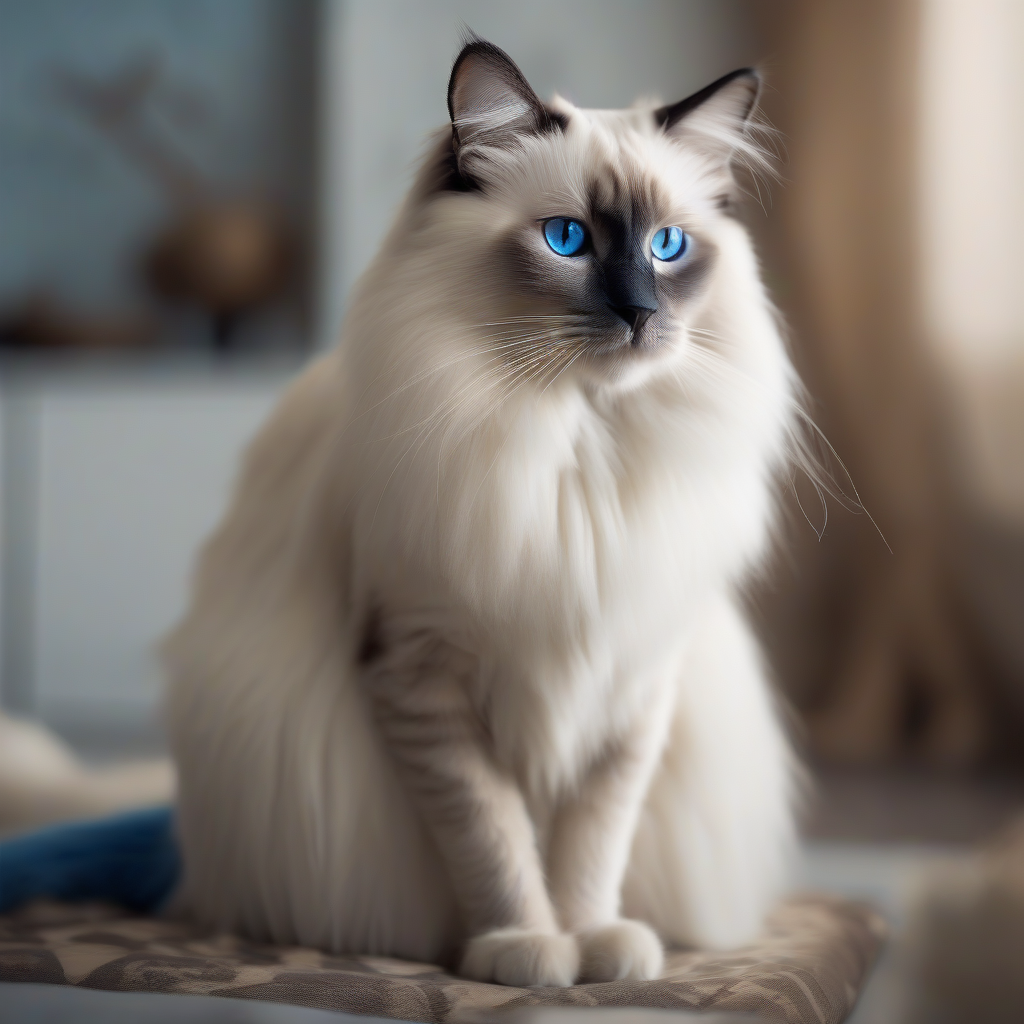
The Ragdoll Cat: A World of Gentle, Blue-Eyed Giants
The Ragdoll cat, named for its tendency to go limp and relaxed like a ragdoll when picked up, is a truly captivating and graceful breed. Known for its striking blue eyes, silky coat, and affectionate nature, this feline breed has captured the hearts of cat lovers worldwide. Indeed, Ragdolls stand out not only for their beauty but also for their calm, patient, and people-oriented temperament. An excellent choice as a family pet, Ragdolls are among the breeds most deserving of the "dog-like cat" moniker. In this comprehensive article, we will delve into every aspect of these gentle giants, from their origins and care requirements to their character traits and health considerations.
History: A Californian Tale
The origins of the Ragdoll breed trace back to the early 1960s in California. Ann Baker, a breeder recognized as the founder of the breed, began working with kittens from a semi-feral, white, long-haired Angora-like female cat named Josephine. After Josephine was involved in a car accident, she began to exhibit a calmer and more docile temperament towards humans, and Baker observed that these traits were passed on to her offspring. Baker initiated a special breeding program, utilizing Josephine's kittens and other selected cats to lay the foundation for the Ragdoll breed. Among these early offspring, cats like Fuzz and Daddy Warbucks played significant roles, exhibiting the characteristic floppiness of Ragdolls. Baker established strict rules to protect the genetic code and characteristics of the breed, even patenting the breed and trademarking the name Ragdoll. Ragdolls gained wider popularity in the 1970s and 1980s with contributions from other breeders.
Physical Characteristics: A Majestic Stature
Ragdolls, as their name suggests, are quite large and muscular cats. Females typically weigh between 4-7 kg (9-15 pounds), while males can reach 6-9 kg (13-20 pounds). They can take up to 3-4 years to reach their full size. One of their most distinctive features is their large, oval eyes, which are always a striking blue. Their coat is semi-long, silky, and dense; with a sparse undercoat, they are less prone to matting than some other long-haired breeds. Ragdolls are characterized by their color points, meaning the cooler extremities of their body (ears, paw tips, tail, and facial mask) are darker in color. There are four main color patterns:
- Colorpoint: The face, ears, paws, and tail are dark, while the body is lighter.
- Mitted: Similar to Colorpoint, but with white "mittens" on the front paws and white "boots" on the back legs. A white chin and a white stripe running from the chin to the base of the tail may also be present.
- Bicolor: Features a white inverted "V" shape on the face. The nose, cheeks, and chin are white. The paws, legs, and belly are also white.
- Van: Typically, only the ears and tail have color points, with the majority of the body being white.
These patterns can be found in various colors, including seal, blue, chocolate, lilac, cream, and red. Kittens are often born pure white, and their colors gradually develop fully by the age of 2-3 years.
Character and Temperament: The Calm Joy of the Home
Ragdolls are renowned for their calm, docile, and gentle temperament. They are practically one of the most patient cat breeds in the universe. They typically prefer to follow their owners around, lie next to them, or relax in their laps rather than engaging in mischief. They get along exceptionally well with children and other pets (especially well-behaved dogs), making them an ideal choice for busy families. They exhibit almost no aggressive tendencies; instead of using their claws, they usually prefer to escape or hide. The "dog-like cat" comparison is not unfounded, as Ragdolls often greet their owners at the door, can play fetch, and may even be leash-trained. They are extremely social and dislike being left alone. They show deep affection and loyalty to their owners. Their voices are usually soft and melodic; they rarely meow loudly.
Care Needs: Silky Fur and a Healthy Life
The semi-long coats of Ragdolls do not require as intensive grooming as some other long-haired breeds, but they still need regular attention. Brushing them two to three times a week with a soft brush or comb will help prevent mats and remove loose hairs. This routine also reduces hairball formation. During seasonal shedding periods, this frequency may need to be increased. Ragdolls are quite meticulous about their cleanliness, but a gentle bath can be given when necessary. Regular nail trimming, weekly checking and cleaning of their ears, and brushing their teeth are also important for their overall health and hygiene. A healthy diet provides the necessary energy for an active lifestyle and helps prevent excessive weight gain.
Health: Responsible Pet Ownership
Although generally a healthy breed, Ragdolls can be prone to certain genetic health issues. The most common ones include:
- Hypertrophic Cardiomyopathy (HCM): A heart condition characterized by the thickening of the heart muscle. With early diagnosis and management, the cat's quality of life can be improved. Genetic tests are available.
- Polycystic Kidney Disease (PKD): A disease characterized by the formation of cysts in the kidneys. Although rare, it can occur in Ragdolls.
Responsible breeders test parent cats for these genetic diseases. Regular veterinary check-ups are vital for them to live a healthy life. Ragdolls are more suited to indoor living; they need to be protected from outdoor dangers (traffic, other animals, diseases).
Conclusion: An Ideal Companion
The Ragdoll cat is truly a unique breed, cherished for its beauty, calm demeanor, and devotion to humans. With its striking blue eyes, silky fur, and characteristic "ragdoll" floppiness, it is destined to bring joy and tranquility to your home. If you are seeking an affectionate, playful, and harmonious companion, a Ragdoll cat could be the perfect choice for you. When provided with sufficient love, attention, and proper care, they will be a loyal and loving friend to you for many years to come.