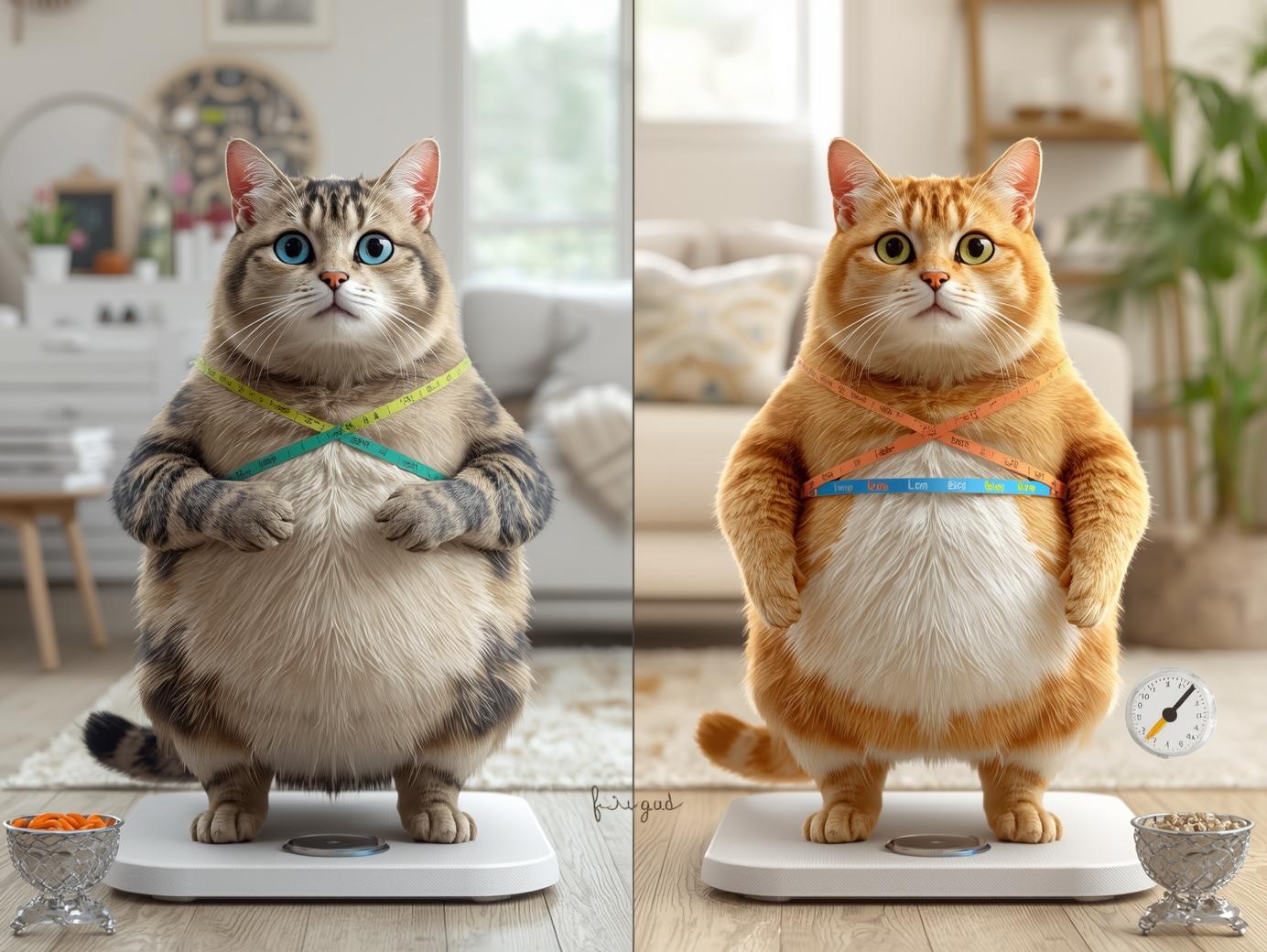
Psychological Effects of Obesity and Diet in Cats
Excess weight not only leads to physical health problems; it also affects cats' psychological state, motivation, and social behaviors. If weight and nutrition changes are not managed correctly, stress, anxiety, and behavior problems can emerge.
Psychological Consequences of Obesity
- Restriction of movement and loss of self-confidence: Decreased mobility reduces the cat's curiosity and discovery behaviors. This situation can cause a decrease in self-confidence and introversion over time.
- Loss of motivation: Decrease in play and hunting behaviors; interest in treat foods can drop.
- Decrease in social interactions: Obesity can lead to isolation by decreasing interaction with other animals or humans.
- Depressive appearance and anxiety: Long-term lack of activity and chronic feeling of discomfort can create depressive-like symptoms.
Psychological Effects of Diet Change
- Sudden and harsh diet changes: Fast food change can create stress, loss of appetite, or food rejection in the cat.
- Excessively restricted diets: Cats can perceive resource scarcity; this situation can lead to anxiety, over-grooming due to stress, or aggressive food protection behaviors.
Behavioral Symptoms and Warning Signs
- Sudden moodiness, increased hiding, loss of interest in rewards
- Excessive hair cleaning (stress can create hairballs)
- Changes in sleep patterns, appetite fluctuations
Management: Steps of Gradual Diet Change
1. Planning: Determine the target weight and appropriate calorie level with the veterinarian. 2. Gradual transition: Mix the new food with the old food by slowly increasing it in 7-14 days. 3. Positive reinforcement: Associate the new food with small rewards, post-play touches, or calming touches. 4. Monitoring: Keep notes of appetite, feces, weight change, and behavior within the first 2–4 weeks.
Environmental Enrichment and Increasing Motivation
- Food finding toys: Puzzle food toys for cats trigger hunting instinct and lower the speed of eating.
- More movement space: Create discovery opportunities within the home with cat trees, shelves, and hiding areas.
- Daily routine: Increase the cat's sense of expectation and trust by determining regular play hours.
Example Exercise Protocol (For Beginners)
- Start with 2 play sessions of 10–15 minutes a day, 5 days a week.
- Increase intensity slowly: low-tempo play for the first 2 weeks, then increasing to 20 minutes in the following weeks.
- Do not neglect reward and water after play.
Behavioral Interventions and Professional Support
- Behavior specialist: If there is anxiety or aggression due to nutritional change, direction to a veterinary behavior specialist may be needed.
- Medication support: In very serious cases of anxiety, the veterinarian may recommend medication support; however, this should not always be the first option.
Dos and Don'ts for Owners
- Do: Gradual transition, daily play, positive reinforcement, and consistent measurements.
- Don't: Avoid sudden food restrictions, punishment, or over-tempting (e.g., constant rewards) methods.
> Summary: Struggling with obesity is not only calorie control, but also a holistic approach made by observing your cat's psychological needs. Create the feeding plan together with your veterinarian and monitor behavior changes regularly.