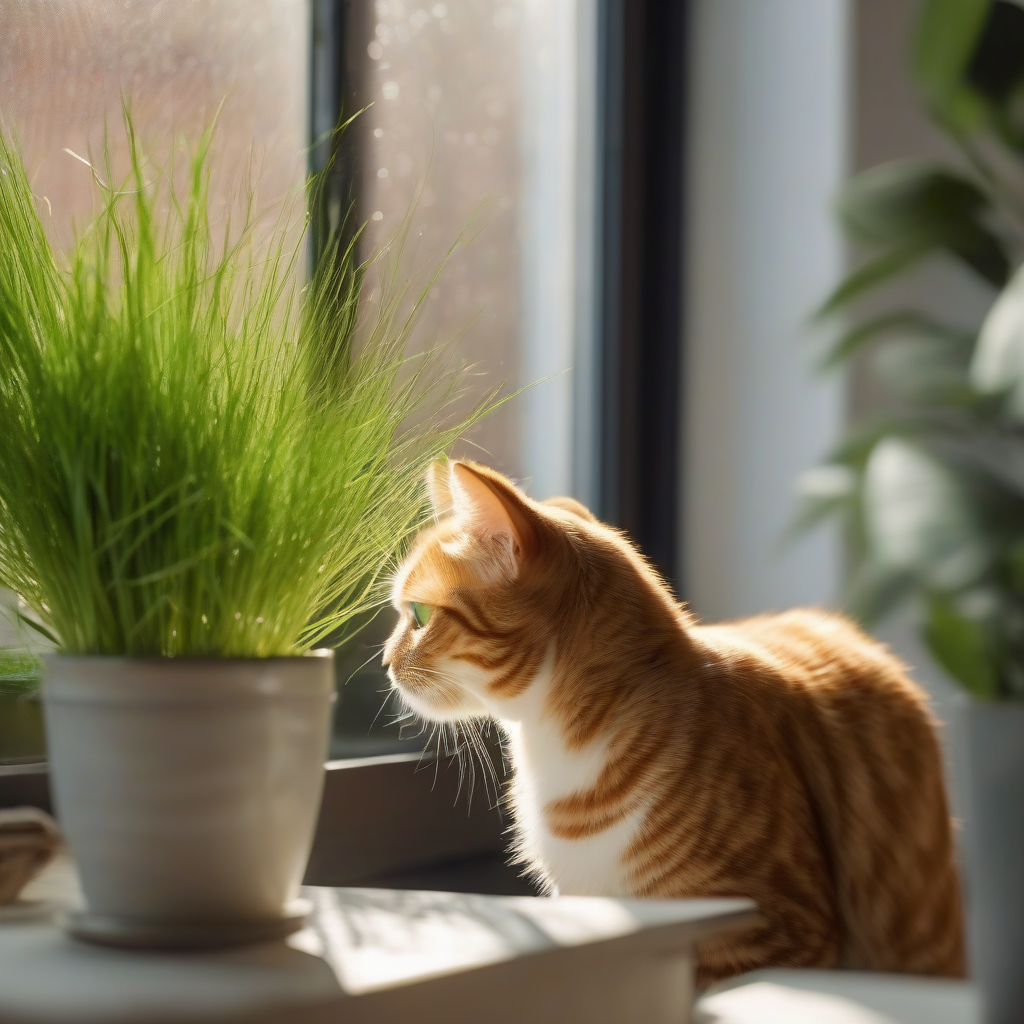
March 2026's Life-Saving Guide: Protect Your Cat from Spring Dangers! 7 Critical Steps to Make Your Home 100% Safe for Your Feline Friend
Spring is a season of awakening, when the sun shines its face and fills us with energy. However, this fresh start can also bring some hidden dangers for our beloved cats. As of March 2026, awareness of pet safety is growing, and what needs to be paid attention to, especially in spring, is of great importance. At Sen YuDo Pet, we encourage you to take conscious steps to ensure your cat enjoys this beautiful season safely and happily.
In this article, we will address the potential risks your cat may face during the spring months and share 7 critical steps that will help you turn your home into a safe haven for your furry friend.
Spring's Mysterious Threats: Why Extra Caution is Needed?
After the dull winter weather, the revitalized nature increases our cats' curiosity even more. New scents, blooming flowers, open windows, and products used during spring cleaning can create seemingly innocent situations that may have serious consequences. Cats are naturally curious creatures who love to explore, and this exploratory drive can sometimes lead them into dangerous situations.
Seasonal Changes and Curious Cats
Spring also brings many changes that we make in our homes and outdoors. The desire to spend more time outdoors, the need for ventilation at home, spring cleaning, and gardening can directly affect cats' routines and environment. These changes can temporarily make their familiar safe environment dangerous.
7 Critical Steps for Your Cat's Spring Safety
Let's examine step-by-step the precautions you should take to ensure your cat has a peaceful spring season:
1. Beware of Spring Cleaning Products and Chemicals
Detergents, bleach, disinfectants, and insecticides we use during spring cleaning are extremely toxic to cats. Curious paws can come into contact with these products and become poisoned by licking chemicals off their fur.
- Solution: Store all cleaning products in locked cabinets out of your cat's reach. Keep your cat in another room while cleaning and do not let them in until the surfaces are completely dry. Consider opting for natural and pet-friendly cleaning products.
2. Identify and Block Access to Toxic Spring Plants
Spring flowers such as tulips, lilies, daffodils, azaleas, and hyacinths can be toxic to cats. Eating their leaves, flowers, or bulbs can lead to serious health problems.
- Solution: Research plants that may be toxic in your home or garden. If you have such plants, place them where your cat cannot reach them or remove them completely. You can beautify your home with cat-safe plants (e.g., catnip, oat grass).
3. Open Windows and Balconies: Precautions Against Falling Hazards
Opening windows and balcony doors can be tempting as the weather warms up. However, a condition known as "high-rise syndrome" claims the lives of many cats each year. Cats can lose their balance due to hunting instincts or simply curiosity.
- Solution: Install sturdy screens or cat netting on all windows and balcony doors. Consider creating a safe "catio" (cat patio) for your cat. Never leave your cat unsupervised on a balcony or near an open window.
4. Spring Decor and Small Objects: Be Vigilant Against Ingestion Risks
Spring-themed items like Easter decorations, small decorative objects, string, or ribbons can be dangerous items that cats love to play with but can cause intestinal blockages if swallowed.
- Solution: Do not leave small objects that can be swallowed or broken within your cat's reach. When choosing decorative items, prefer those made from materials that will not harm your cat.
5. Spring Allergies and External Parasites: Comprehensive Protection
Spring brings not only flowers but also pollen, fleas, ticks, and other external parasites. Cats can experience seasonal allergies (itching, hair loss), and parasites can lead to serious health problems.
- Solution: Talk to your veterinarian to determine appropriate flea/tick preventatives and seasonal allergy management strategies for your cat. Regular grooming reduces shedding and prevents allergen accumulation.
6. Don't Skip Vaccinations and Vet Check-ups
Spring is an ideal time for keeping vaccinations up-to-date and conducting general health check-ups, especially due to the potential for spending more time outdoors. Vaccinations are vital, especially for outdoor cats.
- Solution: Do not skip your cat's vaccination schedule and annual vet check-ups. Your veterinarian may recommend additional precautions or tests suitable for your cat's lifestyle.
7. Emergency Plan and First Aid Knowledge
Despite the best precautions, accidents can happen. Knowing the signs of poisoning or shock after an accident in your cat can be life-saving.
- Solution: Keep a cat first aid kit at home. Have the contact information for the nearest emergency veterinary clinic readily available. Learn what to do in case of poisoning (e.g., contacting the vet before attempting to induce vomiting).
Additional Tips for a Safe Spring
- Maintain Routines: Cats love routine. Try to keep feeding and play times as consistent as possible even during spring changes.
- Hydration: As the weather warms, ensure your cat drinks enough water. Different water bowls, water fountains, or wet food supplements can help.
- Play and Enrichment: Even for indoor cats, mental and physical enrichment games are important for them to release their spring energy.
Conclusion
Your cat's safe and happy spring in March 2026 is directly related to your conscious steps. By implementing the 7 critical steps mentioned above, you can make your home free of dangers for your furry friend and offer them a peaceful spring season. Remember, a small precaution can make a big difference! At Sen YuDo Pet, we are always by your side to ensure your cat lives a healthy and happy life.