March 2026's Vital Guide: Protect Your Cat from Spring Poisons! Eliminate 7 Hidden Dangers at Home and in the Garden!
As March 2026 rolls in, nature awakens with the arrival of spring, spring cleaning winds blow through homes, and gardens come back to life. However, this period of rejuvenation can also bring unexpected toxic dangers for our beloved feline companions. Cats' inherent curiosity and instinct to explore put them at risk of coming into contact with potentially harmful substances in our homes or gardens. At YuDo Pet, we believe you should take conscious steps to ensure your furry friend enjoys the joy of spring safely. In this vital guide, we will discuss 7 smart ways to protect your cat from spring poisons and the hidden dangers you need to be aware of.
Why Does Spring Pose Hidden Dangers for Cats?
Spring months signify renewal and more outdoor time for both humans and animals. During this period, thorough home cleanings, garden maintenance, and an increase in plant varieties elevate risk factors for cats. New smells, different textures, and intriguing objects trigger cats' urge to explore. However, during these explorations, an innocent-looking plant, a spilled drop of cleaning agent, or an insecticide can lead to serious health problems. Being proactive and identifying these potential threats beforehand is the most crucial step for your cat's health.
7 Critical Steps for Your Cat's Spring Safety
To ensure your cat has a healthy and happy spring, you must be vigilant against the following 7 hidden dangers and take necessary precautions:
1. Be Aware of Poisonous Plants
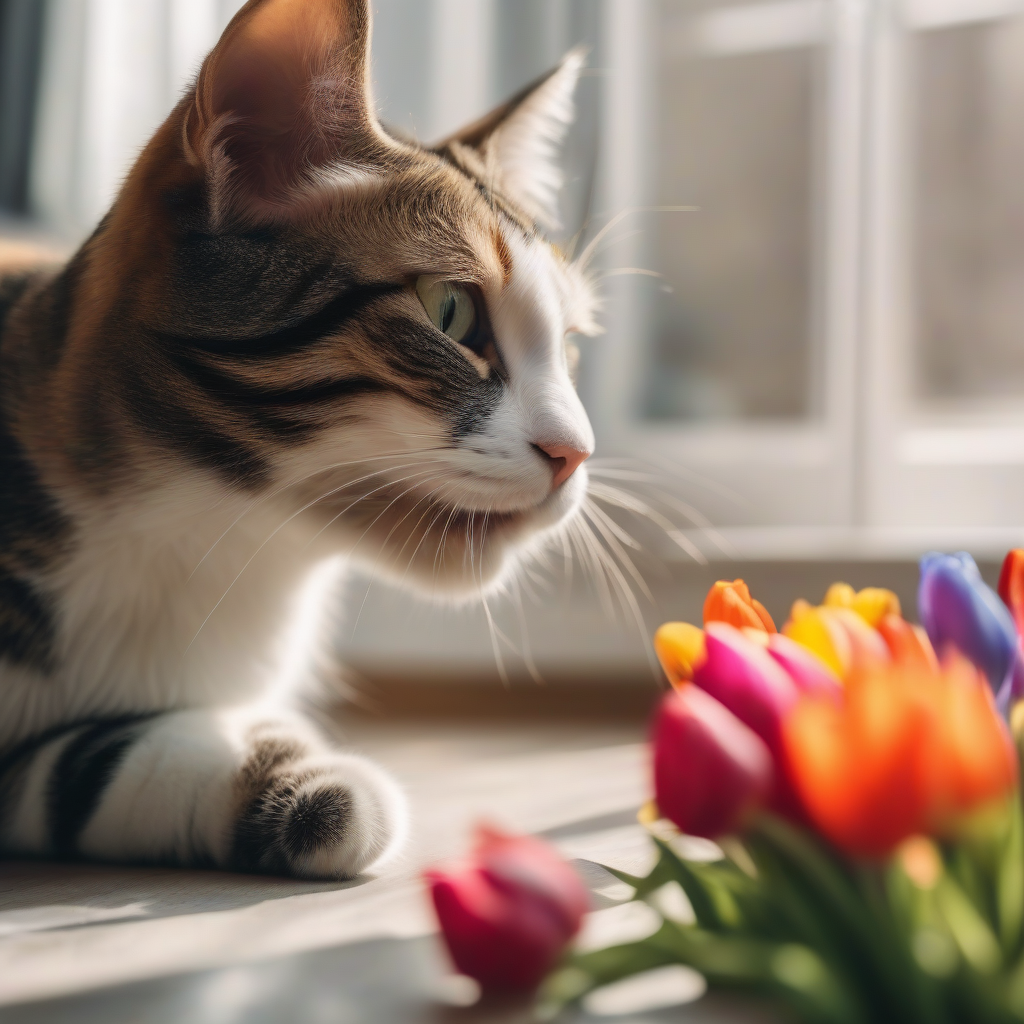
Spring means colorful flowers and greening plants. However, many plants you grow in your home or garden can be toxic to your cat. Popular plants like oleander, azalea, lily (especially deadly for cats), tulip, daffodil, chrysanthemum, cyclamen, and dieffenbachia can cause vomiting, diarrhea, kidney failure, and even death in cats.
- Solution: Avoid keeping toxic plants in your home or garden. If you do, keep them out of your cat's reach, in closed glass terrariums, or on high shelves. Opt for cat-safe plants (catnip, cat grass, spider plant).
2. Store Cleaning Products Safely and Use Them Wisely
Bleach, detergents, disinfectants, and even some seemingly natural essential oils used during spring cleaning are extremely dangerous for cats. Cats can inhale the fumes of these products, lick residues from their paws, or accidentally ingest them.
- Solution: Store all cleaning products in locked cabinets and out of your cat's reach. When cleaning, move your cat to another room and prevent contact until the floor is dry. Prefer non-toxic, cat-friendly cleaning products. Avoid using essential oils (especially tea tree oil, peppermint oil, eucalyptus oil) in diffusers or for cleaning at home.
3. Be Cautious with Garden Chemicals and Pesticides
Spring is also a busy time for garden maintenance. Fertilizers, weed killers, insecticides, slug baits, and rodenticides pose a deadly risk to cats. Your cat might lick grass contaminated with these substances or come into contact with a poisoned rodent.
- Solution: In your garden, make an effort to use cat-friendly, organic alternatives. If you must use chemicals, do not let your cat into the garden until the products have dried. Store all garden chemicals in their original packaging and in secure, closed places.
4. Keep Medications Out of Cat's Reach
Both human medications (pain relievers, antidepressants, cold medicines) and pet medications (parasite treatments, vitamins) can cause poisoning if taken in the wrong dose or by the wrong cat. Cats might swallow pills left on countertops, mistaking them for toys.
- Solution: Store all medications in their original packaging, in locked cabinets, or on high shelves where your cat can never reach them. When administering medication, ensure your cat takes the entire dose and do not leave any residue around.
5. Remember the Dangers of Certain Foods
Some human foods are toxic to cats. Increased picnics, outdoor meals, or more time spent in the kitchen during spring months can facilitate cats' access to these foods. Chocolate, grapes, raisins, avocado, onions, garlic, alcohol, caffeine, and products containing the artificial sweetener xylitol can cause serious health problems for cats.
- Solution: Completely prevent your cat's access to human foods. Keep food scraps and garbage in secure, closed containers. Inform your guests about this as well.
6. Be Cautious with Rodent and Insect Traps
Poisonous traps used for rodent or insect problems at home or in the garden pose a double danger for cats. There is a risk of secondary poisoning from the poison itself and from a cat eating a poisoned animal. Sticky traps can also adhere to your cat's skin, fur, or paws, causing stress and injuries.
- Solution: Choose cat-friendly methods for rodent and insect control (mechanical traps, natural repellents). Avoid using poisonous products. If you must use them, do so in enclosed and protected areas where your cat and other pets cannot possibly reach them.
7. Know the Deadly Risk of Automotive Fluids and Antifreeze
Antifreeze (ethylene glycol), especially used when transitioning out of winter or during vehicle maintenance, has an extremely appealing sweet smell to cats, but even very small amounts can be fatal. Brake fluid, motor oil, and other automotive fluids are also dangerous.
- Solution: Keep the garage door closed and immediately clean up any potential leaks under your vehicle. Store dangerous fluids like old antifreeze in closed containers and out of your cat's reach. If using antifreeze, opt for propylene glycol-based, less toxic varieties.
What to Do in an Emergency?
If you observe signs of poisoning in your cat (vomiting, diarrhea, lethargy, loss of balance, tremors, difficulty breathing, drooling, seizures) or suspect exposure to a toxic substance, contact your veterinarian immediately. If possible, bring the packaging of the suspected toxic substance with you, as this will expedite the diagnosis and treatment process.
Conclusion
The freshness of spring brought by March 2026 offers a wonderful opportunity to create joyful memories with your cat. However, being aware of potential dangers that could overshadow this joy and taking proactive measures is critically important for your furry friend's safety and health. At YuDo Pet, we will continue to provide solutions and information that always prioritize your cat's well-being. As a conscious pet parent, you can provide your cat with a safe, healthy, and poison-free spring!