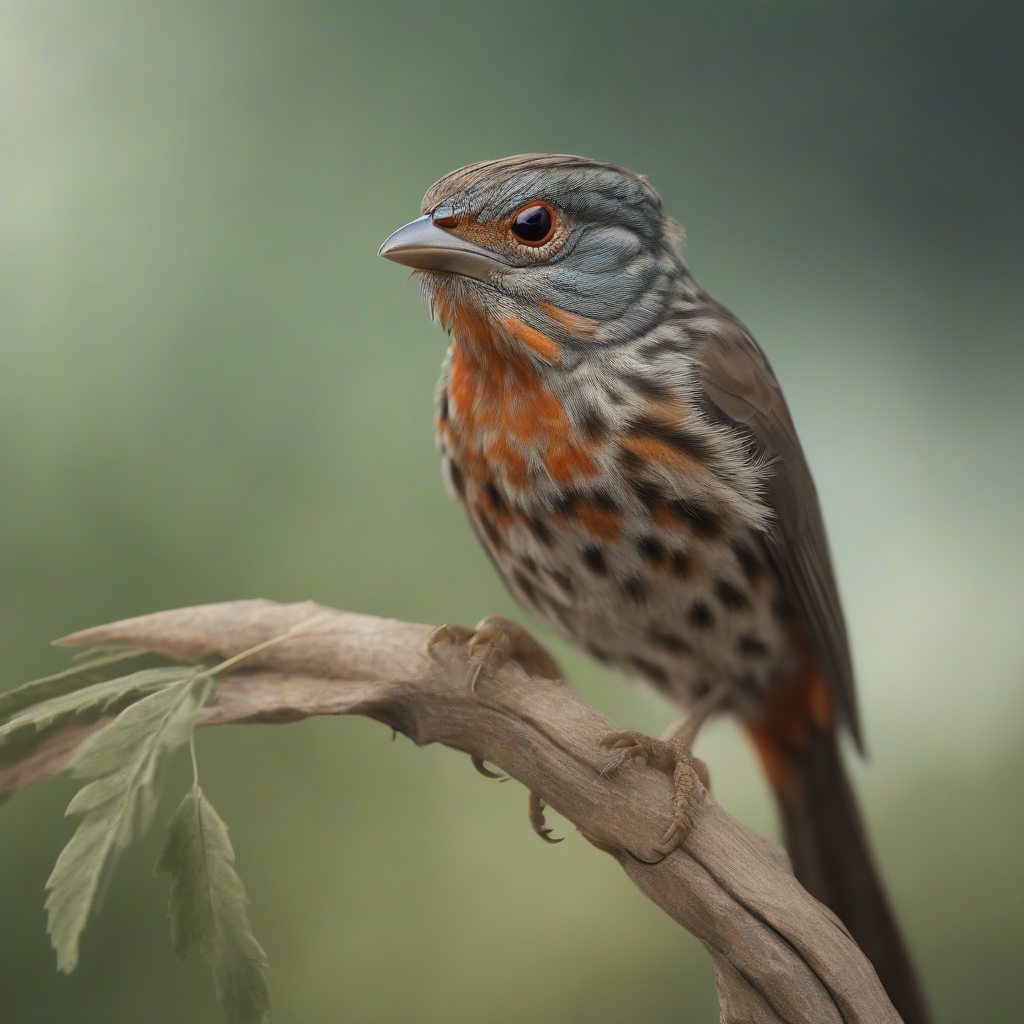
Shadow-Paw Resident: Pratinus Campestris – The Velvet Hunter of the Steppes
A silent resident of nature, a mysterious and elegant hunter: The Pratinus Campestris. This special breed of cat, which generally lives in the depths of the secluded, vast steppes and grasslands, draws attention with its unique character and captivating beauty. As its name suggests, these cats, which skillfully hide and hunt in the grasslands, are known for their resilience and quiet grace.
Origins and Habitats
The origins of the Pratinus Campestris date back to wide pastures and savannas. They are naturally found in the steppe belt extending from Eastern Europe to Central Asia. They generally prefer calm and vast areas far from human settlements. Their ability to hide among tall grasses and move agilely has perfectly equipped them to survive in these environments. Their adaptation to the harsh conditions of these geographies makes them quite hardy and resilient.
Physical Characteristics
The Pratinus Campestris is a medium-sized cat breed. Its body structure is muscular and agile, supporting its hunting abilities. Its fur is usually short to medium in length and is dense and thick. This coat structure protects them from both the cold and the scorching sun in the heat. Their colors are generally earthy tones; shades of brown, beige, gray, and tabby patterns are common. These patterns provide excellent camouflage among tall grasses. Their ears are usually erect and large, allowing them to hear even the slightest sounds around them. Their tails are of medium length and furry, playing an important role in maintaining balance.
Their eyes are typically bright green or amber. These sharp gazes help them meticulously follow their prey. Their paws are strong and robust, allowing them to move comfortably on uneven terrain.
Behavior and Temperament
Pratinus Campestris cats are naturally independent and observant. They generally prefer to hunt alone and are quite territorial. When they encounter humans, they usually maintain a distance and avoid direct interaction. However, if especially young kittens are captured, they can socialize with humans and become affectionate companions. Their training requires patience and understanding, but thanks to their intelligence, they can learn basic commands.
One of the most distinctive features of these cats is their silence. They make almost no noise while hunting or moving, which has earned them the nickname "shadow-paw." Their ability to move silently makes it easy for them to surprise their prey.
Dietary Habits
Pratinus Campestris cats are natural hunters. Their diet consists mainly of small rodents (mice, voles), birds, and sometimes insects. Their exceptional hunting skills help them obtain the protein and energy necessary for their survival. As they hunt for food in their natural environment, it is important to feed them a similar diet in domestic settings. However, when kept as pets, they should be fed a balanced diet with high-quality cat food.
Advice for Cat Owners
If you are considering adopting a Pratinus Campestris, it is important to understand the needs of this special breed. These cats require ample space to move and activities that provide mental stimulation. Offering climbing areas, games, and hunting simulations that can satisfy their natural instincts will help them stay happy and healthy.
It is also important to consider the independence and need for personal space of these cats. Providing them with quiet and safe places where they can be on their own will help them feel comfortable. Socialization, especially when started at a young age, can help them form a better bond with humans.
In conclusion, the Pratinus Campestris is one of the elegant and mysterious residents of the steppes. With their natural beauty, resilience, and unique character, they can be exceptional companions for those who get to know them. Understanding and protecting these special cats means safeguarding this unique heritage that nature has provided us.