The Persian Cat: A Gentle Legacy of Noble Beauty
With their velvety fur, round faces, and calm demeanor, Persian cats are one of the most beloved cat breeds worldwide, bringing a touch of elegance and tranquility to our homes. Originating from ancient Persia, this majestic breed has captivated people for centuries with its beauty and serene disposition. If you are considering sharing your life with these graceful creatures, prepare to enter the enchanting world of the Persian cat!
History and Origin
The history of the Persian cat dates back to the 17th century. The first specimens of this breed were brought to Europe from regions such as Persia (formerly Iran) and Turkey. Over time, through selective breeding in England, they developed their characteristic appearance. Their long, silky fur and flat facial structure are their most distinguishing features, setting them apart from other cat breeds. For centuries, they have been an indispensable part of noble households, reigning with their elegance.
Physical Characteristics
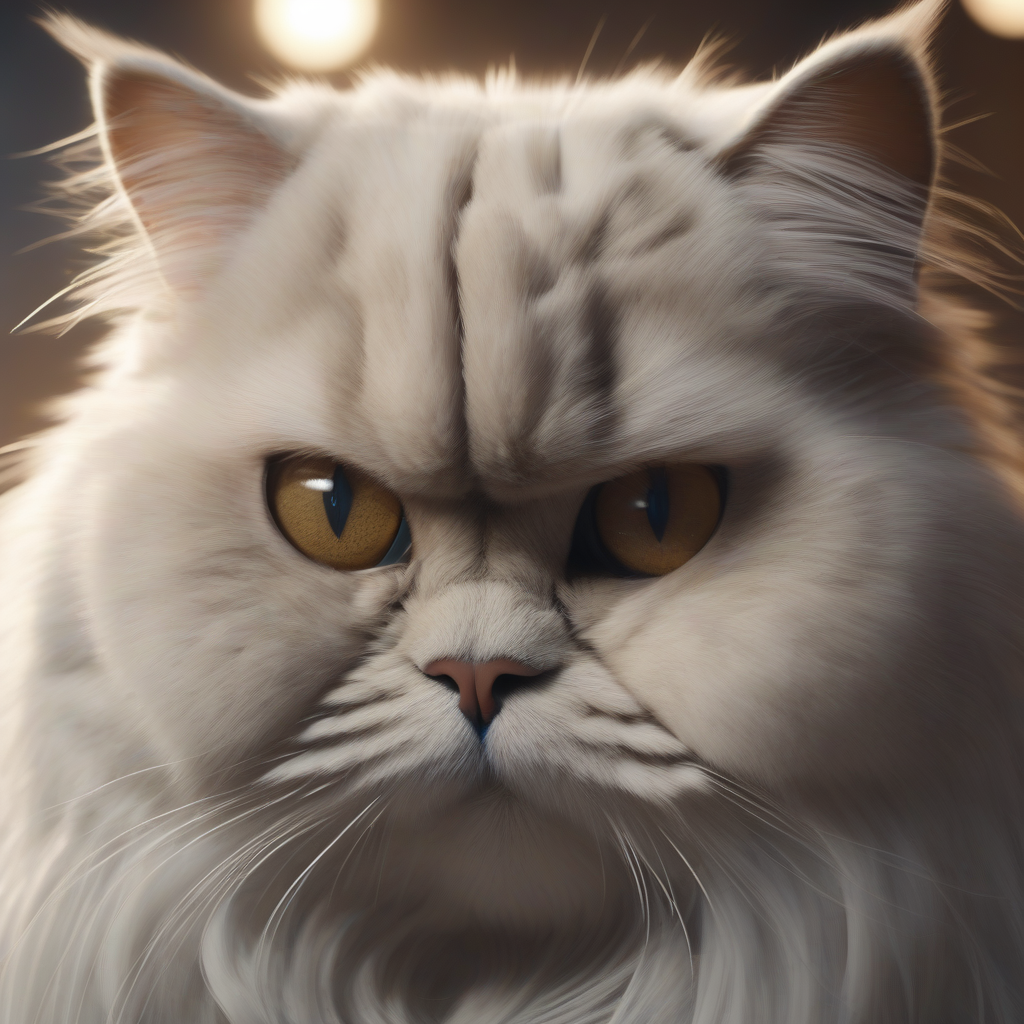
The most striking feature of the Persian cat is its abundant, long, and silky coat. This fur requires regular grooming and adds a magnificent aura to the cat's overall appearance. They possess a medium to large size, with a muscular and sturdy build. A round and broad head, a short and flat nose, large round eyes (commonly copper, blue, green, or odd-eyed), and small, blunt ears are the characteristic facial features of a Persian cat. They typically have strong legs and a short, thick tail.
Temperament and Personality
Persian cats are known for their calm, gentle, and affectionate nature. They generally prefer a quiet lifestyle over energetic play. They are very loyal to their owners and enjoy lap time and loving strokes. Disliking loud noises and sudden movements, Persian cats seek a peaceful atmosphere in their homes. They generally get along well with children and other pets, but introductions should be slow and gentle.
Grooming Requirements
The most significant grooming need for Persian cats is their long and dense fur. Daily brushing is vital to prevent the formation of hairballs and to keep their coat from matting. A more thorough brushing a few times a week helps to remove dead hair.
- Coat Care: Using specialized combs, including slicker brushes and metal combs, is the most effective method. Be gentle to avoid irritating their sensitive skin. Professional grooming a few times a year can also be considered.
- Eye Cleaning: Due to their flat facial structure, they can experience eye discharge. Daily cleaning of the eye area with a soft, damp cloth helps reduce the risk of infection.
- Ear Cleaning: Their ears should be checked weekly and cleaned gently with special ear cleaning solutions if necessary.
- Nail Trimming: Regular nail trimming is important for the safety of both the cat and household items.
- Dental Health: Regular teeth brushing and appropriate dental treats help maintain oral hygiene and prevent future dental problems.
Health
While generally a healthy breed, Persian cats can have certain genetic predispositions. Their flat facial structure can lead to respiratory issues and eye problems. Genetic diseases such as Polycystic Kidney Disease (PKD) are also more common in Persians. Therefore, it is important to purchase kittens from reputable breeders and attend regular veterinary check-ups.
Nutrition
For Persian cats, high-quality, balanced food appropriate for their age and activity level should be chosen. Foods containing omega-3 and omega-6 fatty acids that support coat health are highly beneficial for this breed. Cat foods specially formulated to help with hairball expulsion can also be a good choice. Creating a feeding plan in accordance with your veterinarian's recommendations is the best way to ensure your cat lives a healthy life.
Conclusion
The Persian cat, with its beauty and calm, affectionate character, wins hearts worldwide. However, it's important to remember that this unparalleled beauty and gentle disposition require regular grooming and care. If you are looking for a patient, loving, and well-groomed companion, the Persian cat might be the perfect choice for you.