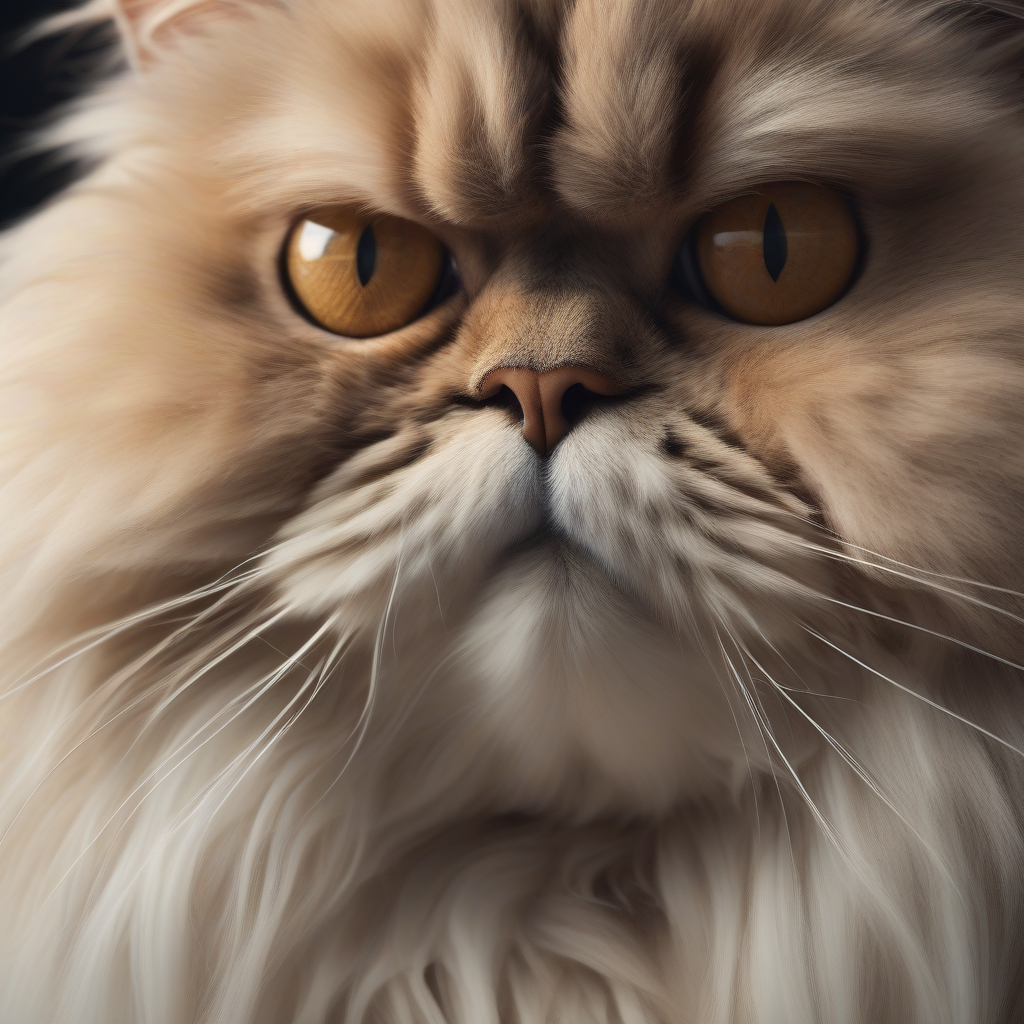
Persian Cat: A Guide to Noble Beauty, Care, and Character
One of the most iconic and recognizable cat breeds in the feline world, the Persian cat has captured the hearts of cat lovers for centuries with its long, silky fur, striking flat facial structure, and calm demeanor. In this installment of our "Cats from A to Z" series, we will embark on a journey into the enigmatic world of Persian cats, elegant companions that grace our homes, examining every aspect from their history and care to their temperament and health needs.
Origins and History of the Persian Cat
The origins of Persian cats, as their name suggests, trace back to ancient Persia (modern-day Iran). They are believed to have been first brought to Europe in the 17th century by the Italian traveler Pietro della Valle, where their long fur garnered significant attention. As they spread across Europe, they gained popularity, particularly among royal families and nobility in England and France. Over time, selective breeding methods led to the development of their distinctive flat face and luxuriant coat structure seen today. With the advent of cat shows in the 19th century, the Persian cat quickly became one of the most sought-after and award-winning breeds. Retaining its popularity to this day, the Persian cat continues to be valued as a pet for its unique appearance and tranquil nature.
Physical Characteristics: Dazzling Elegance
The most prominent feature of Persian cats is undoubtedly their long, dense, and silky fur. This fur completely covers their bodies, giving them a majestic appearance. The range of coat colors and patterns is incredibly wide, encompassing many variations from solid colors (white, black, blue, cream) to bi-colors, smoke, silver, tabby, and Himalayan patterns.
Other striking physical characteristics include:
- Brachycephalic (Flat) Face Structure: A short nose, rounded cheeks, and a prominent jawline give them a unique expression.
- Round, Large Eyes: They typically have bright and impressive eyes that match their fur color.
- Short, Sturdy Body: They are medium to large in size, with a compact and muscular build.
- Short Legs and Bushy Tail: They have short, strong legs and a full, bushy tail.
Character Traits: Calm and Affectionate Companions
Persian cats are generally known for their calm, docile, and gentle temperaments. They do not possess high energy levels; rather, they prefer sitting by the window and watching the outdoors or lounging on their owners' laps. These characteristics make them ideal for those living in apartments or seeking a less active feline companion.
- Affectionate and Loyal: They develop a deep bond with their owners and typically express their affection through gentle purrs.
- Playful: Although calm, they enjoy short play sessions with feather wands or puzzle toys.
- Compatibility with Children and Other Pets: With proper socialization, they can get along well with children and other cat-friendly pets.
- Quiet: They generally do not meow much; they tend to express their needs or desires more through body language.
Persian Cat Care: A Responsibility Requiring Intense Attention
The long and dense fur of the Persian cat, while being one of its most striking features, also represents a responsibility that requires intensive care. Regular and diligent grooming is vital for maintaining the health of their coat and preventing potential health issues.
- Grooming: Daily brushing is essential to prevent hairball formation, untangle mats, and control shedding. Special cat combs and brushes should be used. Additionally, professional grooming or bathing may be necessary periodically.
- Eye Care: Due to their brachycephalic facial structure, Persian cats' eyes tend to tear frequently. Eye discharge can lead to staining and skin irritation. Therefore, the area around their eyes should be gently cleaned daily with a soft, damp cloth or special eye cleaning solutions.
- Nutrition: Their brachycephalic facial structure can affect how they eat. Specially designed shallow food bowls or smaller kibble may be preferred, as they might have difficulty picking up larger pieces of food. A high-quality, balanced diet supports the shine of their fur and their overall health. Weight control is important due to their sedentary nature.
- Dental Care: Regular tooth brushing and professional dental cleaning under veterinary supervision are important to prevent tartar buildup.
- Nail Care: Regular nail trimming is necessary for indoor cats.
- Tail Hygiene: Their long-haired tail can be sensitive to fecal matter. Regular checks and cleaning should be performed.
Health Issues and Precautions
Unfortunately, Persian cats can be more prone to certain health problems than other breeds, either due to genetic predispositions or their physical structure:
- Polycystic Kidney Disease (PKD): This is a genetic kidney disorder characterized by the formation of cysts. Responsible breeders screen for this disease through genetic testing. Early diagnosis and management are important.
- Respiratory Problems: The flat facial structure can lead to narrowed nostrils and blockages in the respiratory passages. They may experience breathing difficulties in excessively hot and humid weather.
- Eye Problems: Inward-rolling eyelids (entropion), blocked tear ducts, and corneal ulcers can be common.
- Dental Problems: Gum disease and tartar buildup are more prevalent due to overcrowding of teeth in the mouth.
- Heart Disease: Hypertrophic Cardiomyopathy (HCM) can occur.
Regular veterinary check-ups, vaccinations, and parasite prevention are vital for your Persian cat to lead a healthy life. In case of any health symptoms, consult a veterinarian without delay.
Living Environment for a Persian Cat
Persian cats love a calm and peaceful home environment. They are highly suitable for indoor living and have a delicate constitution that requires protection from outdoor dangers. They do not enjoy loud noises or sudden movements. Providing them with small cat trees for climbing or comfortable beds will enhance their comfort. Most importantly, they need their owners' love and attention, making them one of the most cherished companions in the home.
Conclusion
Persian cats, with their noble demeanor, calm temperament, and striking beauty, are rare jewels of the feline world. Despite their intensive grooming needs and some genetic health predispositions, with patient and loving ownership, a Persian cat will offer you years of unconditional love and serene companionship. Understanding and meeting their unique needs is the key to a healthy and happy life with these magnificent companions.