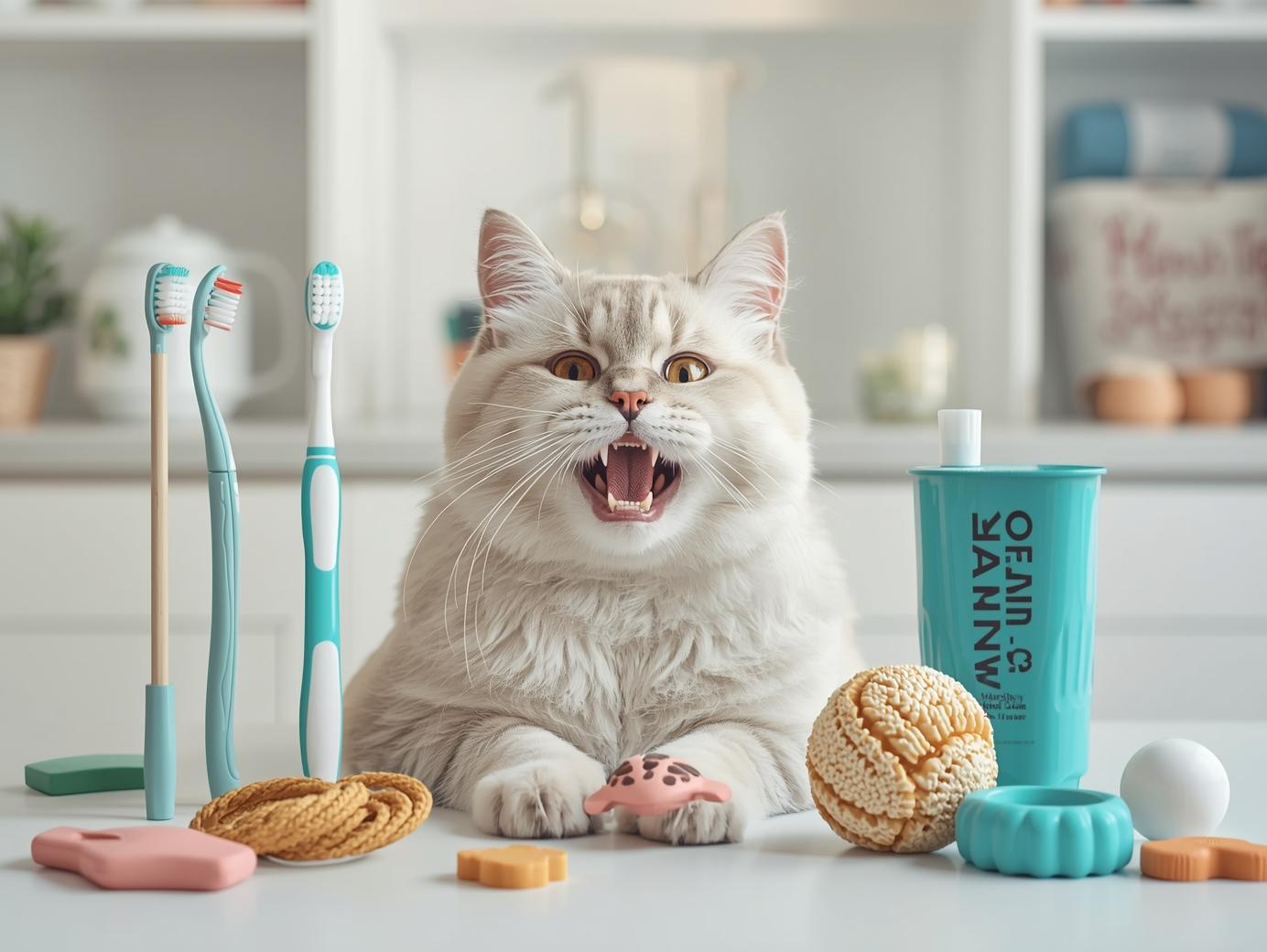
Oral and Dental Health in Cats
Oral and dental health in cats is of critical importance for general health. Problems such as tartar, gingivitis, and bad breath can lead to serious diseases if not treated. Regular care and early detection are key to protecting oral health.
Common Mouth Problems
- Tartar and plaque formation
- Inflammation of the gums (gingivitis)
- Bad breath
- Tooth loss
- Mouth ulcers and wounds
- Tooth fractures or loose teeth
Symptoms and Precautions
- Redness, bleeding, or swelling in the mouth
- Bad mouth odor
- Reluctance to eat or chewing on one side
- Increased salivation
- Scratching the mouth area with its paws
- Establish a tooth brushing habit (at least 2-3 times a week)
- Have regular veterinary dental checks (at least once a year)
- Use dry foods and special dental treats that prevent tartar formation
Home Care and Cleaning
- Use cat-specific toothbrushes and toothpaste (do not use human toothpaste)
- Prefer dry foods and chewing toys that support dental health
- If you notice an abnormal condition (bleeding, swelling, bad odor) in the mouth, consult your veterinarian without losing time
- Support oral health by increasing water consumption
Practical Tips
- It is easier to get them used to brushing when they are kittens
- Be patient and gentle during tooth cleaning
- Establish a regular care routine for dental health
Healthy teeth are indispensable for a long and happy cat life. Do not neglect oral and dental health, detect problems early with regular checks.