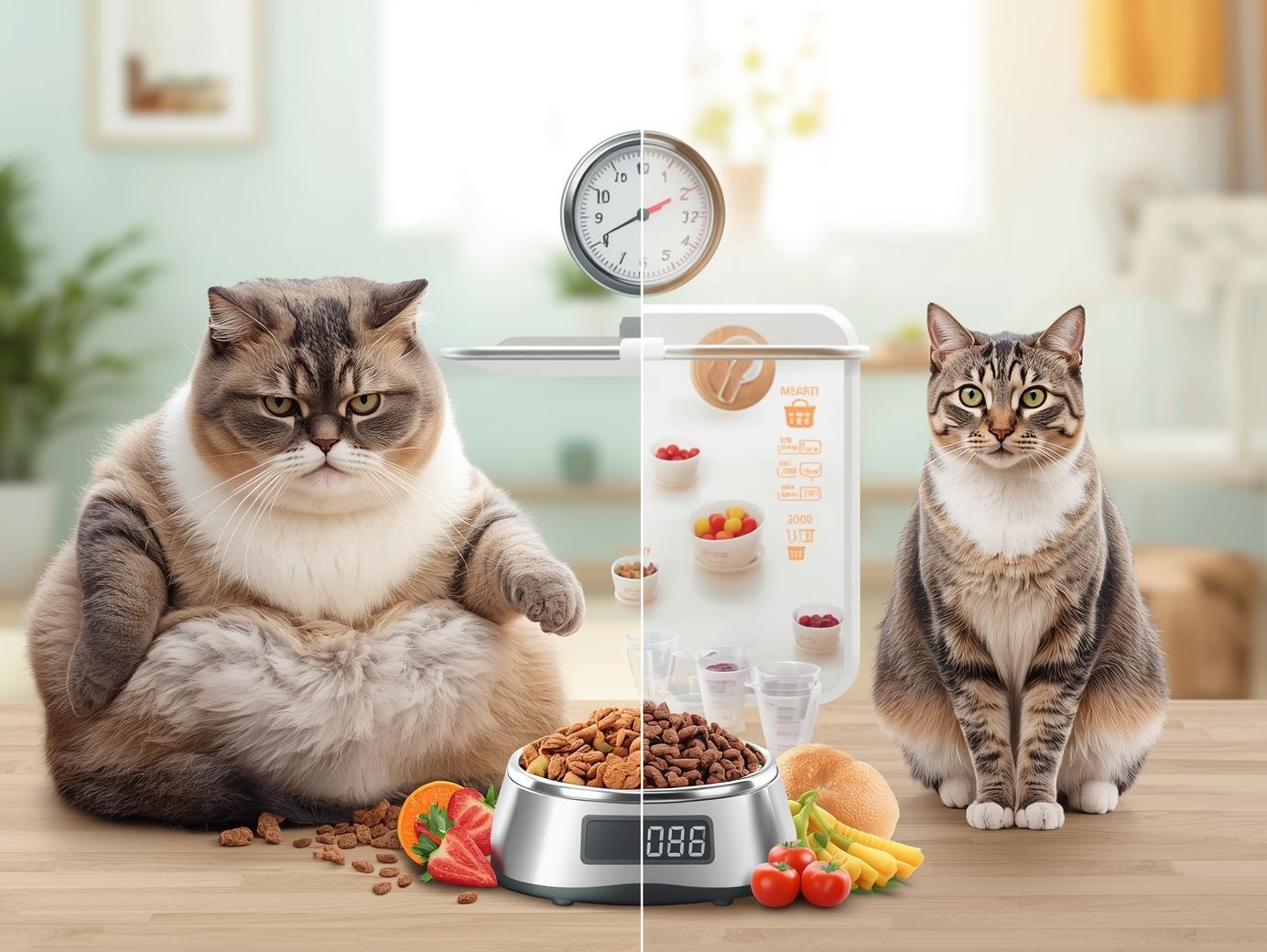
Obesity and Diet in Cats
Obesity in cats is one of the most common health problems in pets and negatively affects the cat's quality of life and lifespan. Excess weight can set the ground for serious conditions such as diabetes, osteoarthritis (joint problems), heart and respiratory problems, and fatty liver (hepatic lipidosis). This guide includes reasons for obesity, how to detect it, practical diet plans, and daily applications.
Reasons for Obesity
- Excessive and irregular food consumption (especially products high in calories and grain)
- Inadequate physical activity and monotonous life at home
- Decrease in energy need after neutering (weight gain occurs if portions are not adjusted accordingly)
- Aging and slowing of metabolism
- Some medications and endocrine (hormone) problems
- Uncontrolled giving of treat foods
Clinical Symptoms and Diagnosis
- Visible weight increase: Appearance with an expanded waist circumference and a lost waist line.
- Body Condition Score (BCS): Veterinarians usually use a scale between 1-9; 5 is ideal, 6-7 light-medium excess weight, 8-9 obese.
- Restriction of movement: Reluctance to climb stairs or jump, getting tired quickly.
- Low respiration and energy: Overweight cats may breathe fast or be reluctant to activity.
- Veterinary tests: If necessary, blood tests (thyroid, blood sugar, liver), body weight tracking, and BCS evaluation should be done.
Target Setting and Safe Weight Loss
- Safe speed: Target between 0.5–2% of body weight per week (determined by the veterinarian according to body type).
- Target: Losing 5–10% of total body weight in the first 3 months could be a reasonable target.
- Sudden weight loss is dangerous; especially the cat is prone to fatty liver. Losses should be slow and under control.
Sample Diet Plan and Measurement
- 1) Calorie calculation: Maintenance calories are found according to the current weight; reducing daily calories by 10–20% for weight loss could be a start (with veterinary approval).
- 2) Measured meals: Instead of free feeding, meal-based (e.g., 2–3 meals a day) and weighed portions should be applied.
- 3) Food selection: Prefer foods that are high quality, high in protein, medium or low in fat, and balanced in fiber content. "Light" formulas can be used with veterinary recommendation.
- 4) Example: Daily maintenance need of a 4 kg cat could be ~180-220 kcal (varies according to food and cat's characteristics). If weight loss is targeted, it can be pulled down to 160-190 kcal level — the exact number should be adjusted by the veterinarian.
Exercise and Environmental Enrichment
- Daily play: Active play periods of at least twice 10–20 minutes (moving toys, laser, fishing rod toys).
- Climbing and discovery areas: Cat trees, shelves, hiding boxes increase activity.
- Food finding games: Encourage hunting behavior by putting food inside a toy.
Monitoring and Record Keeping
- Weight tracking: Weighing once a week, should be done in the same conditions (morning, before meal).
- Photo and BCS notes: Document every month to easily see changes.
- Diet diary: The type and amount of food given and extra rewards should be recorded.
Special Situations and Medical Intervention
- Diabetes risk: Diabetes risk increases in obese cats; thirst, polydipsia, polyuria, appetite changes should be monitored.
- Endocrine disorders: Rarely, hypothyroidism or other hormone disorders can cause weight increase; if there is suspicion, blood tests are done.
- Old cats: Joint problems and muscle loss can accompany; exercise program should be organized with veterinary approval.
Practical Daily Tips
- Check food bowls: Check the amount of all if there are several different food bowls at home.
- Reduce rewards: Use small pieces and low-calorie rewards in training.
- Consistency with family members: Everyone should follow the same measurements and rules.
- Water promotion: Wet food or water fountains increase water consumption.
When to Apply to the Veterinarian?
- If there is no progress in the weight loss program in 2–4 weeks or if weight loss is too fast.
- If there are additional symptoms such as vomiting, diarrhea, loss of appetite, lethargy.
> Summary: Obesity is a long-term process that requires discipline. What is targeted is slow and safe weight loss. Create your plan together with your veterinarian and perform regular monitoring.