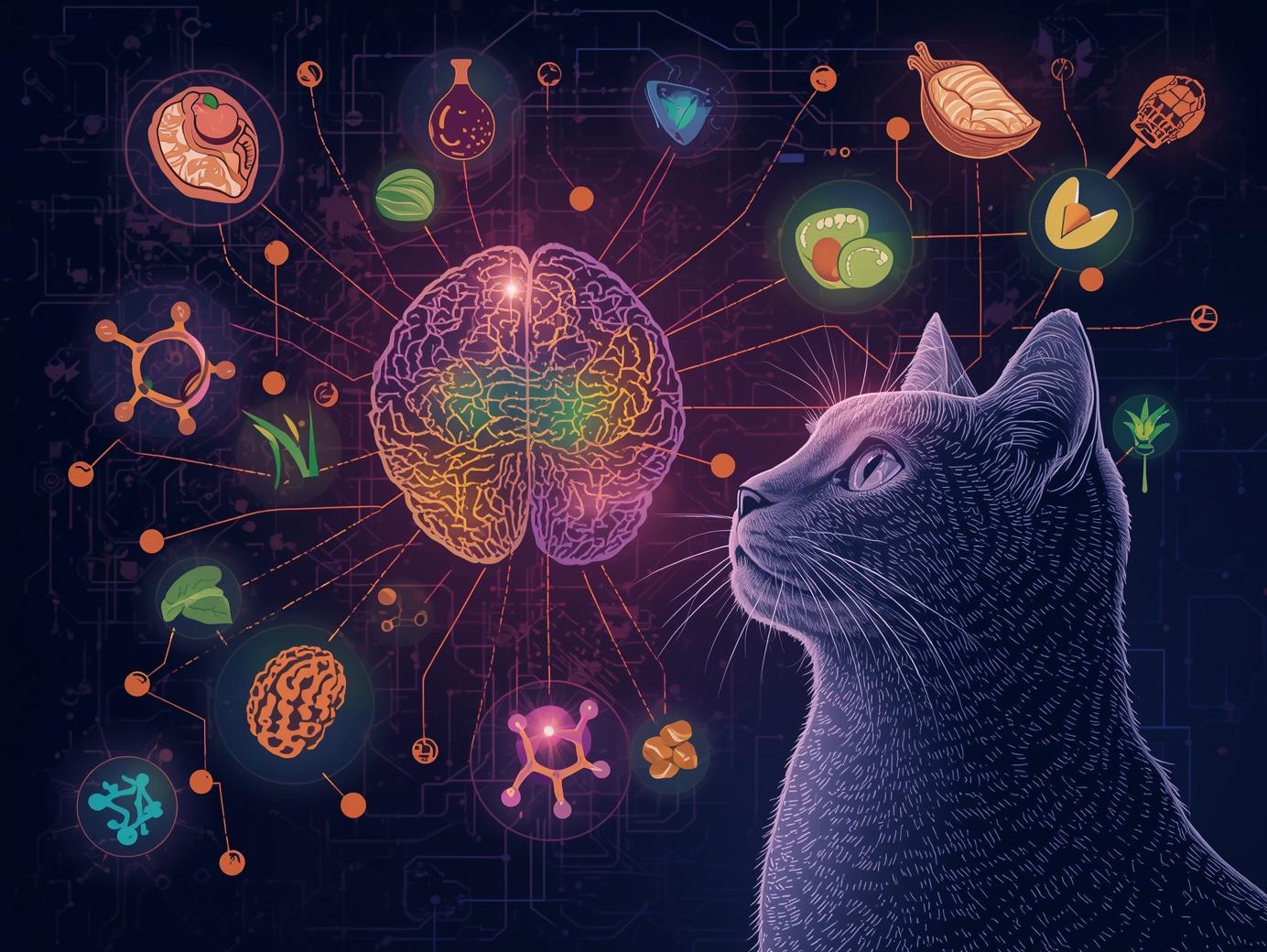
Nutrition Psychology in Cats
Nutrition in cats is not only a physical need; it is also a psychological and emotional process. Food selection, feeding order, and environment directly affect the cat's mood and behaviors.
Psychological Effects of Nutrition
- Food change and stress: Sudden food changes can lead to stress and loss of appetite in cats. Gradual transition and familiar scents reduce stress.
- Treat foods and motivation: Treat foods given during training and play strengthen the cat's motivation and bond with humans.
- Routine and trust: Regular feeding hours create a sense of trust and belonging in the cat. Uncertain feeding can lead to restlessness and behavior problems.
- Environmental factors: The place of the food bowl, the quietness of the environment, and the presence of other animals affect psychological comfort.
Practical Recommendations
- Be patient in changing food, do not force your cat.
- Keep feeding hours as fixed as possible.
- Keep the food bowl in a clean and accessible place.
- Observe your cat's psychology, consult your veterinarian in changes such as loss of appetite or overeating.
Frequently Asked Questions
Why does my cat constantly change the food bowl?
- It may be uncomfortable with the environment, keep the bowl clean and place it in a quiet spot.
Are treat foods harmful?
- Treat foods are beneficial when given in moderation, do not overdo it.
> Remember: Establishing a feeding schedule considering your cat's psychology is very important for both its physical and spiritual health.