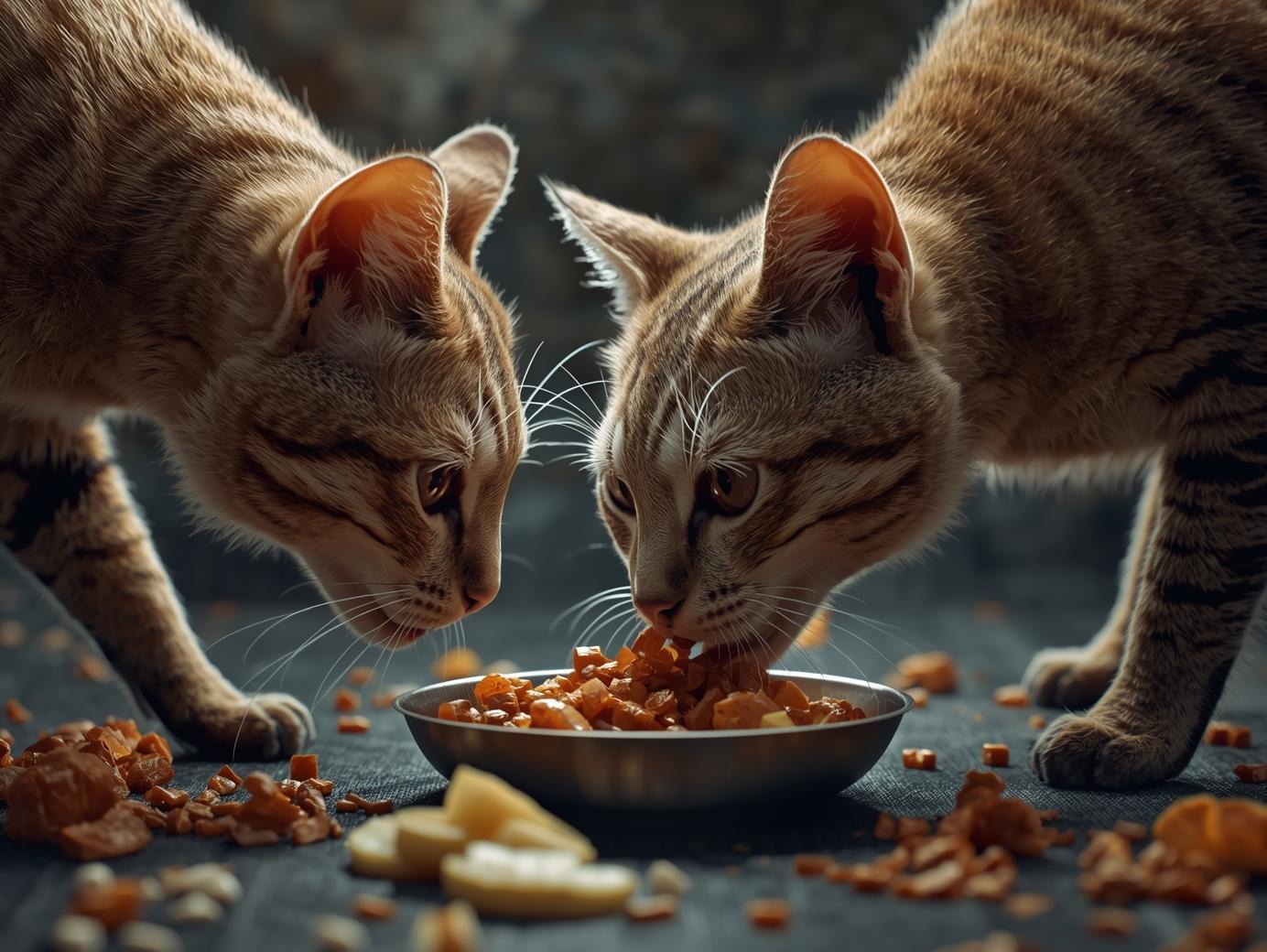
Feeding Habits and Changes in Cats
Feeding habits in cats are shaped according to age, health status, environment, genetic, and psychological factors. Sudden or wrongly made changes can lead to many negativities from digestive problems to behavioral problems. In this article, you can find how your cat's feeding habits are formed and what you should pay attention to for a healthy change.
Formation of Feeding Habits
- Kitten period: The type of food and feeding order given as a kitten becomes a habit in later ages.
- Neutering: After neutering, metabolism slows down, appetite may increase. Food and portion adjustment is important for weight control.
- Environmental factors: Factors such as the place of the food bowl, other animals in the house, and stress affect feeding behavior.
- Genetic and individual preferences: Some cats are more prone to certain food types or aromas.
Things to Consider in Food Change
- Gradual transition: Transition to the new food in 7-10 days by mixing old and new food. Sudden change can lead to diarrhea and vomiting.
- Content control: Evaluate the content and nutritional values of the new food with your veterinarian.
- Observation: Observe feces, appetite, and general health status during the transition process.
- Water consumption: Increasing water consumption in food change is beneficial for digestive health.
Frequently Asked Questions
My cat is rejecting the new food, what should I do?
- Slow down the gradual transition even more, encourage with treat foods.
Which food should I choose after neutering?
- Foods with low calories, high protein ratio, and supporting urinary tract health should be preferred.
How should the home feeding routine be?
- Feeding 2-3 meals a day, at fixed times and in a quiet environment is recommended.
> Remember: Observe your cat's feeding habits, make changes in a controlled way and with veterinary support. Healthy nutrition is the key to a long and happy life.