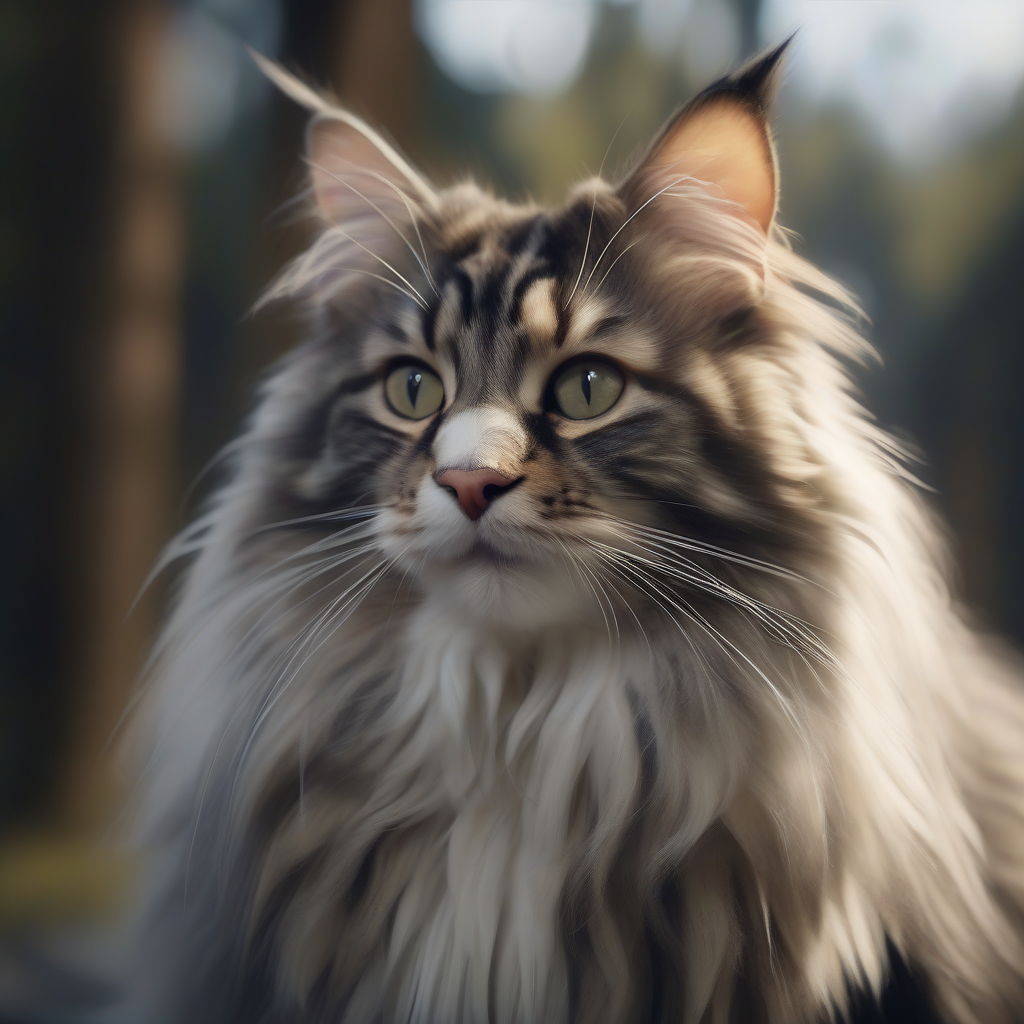
Norwegian Forest Cat: The Wild Beauty of the North
If you're looking for a majestic and affectionate companion that defies the harsh northern climate and has been the subject of legends, the Norwegian Forest Cat might be the perfect fit for you. Also known as "Norsk Skogkatt," this breed is one of the most striking members of the feline world, with its thousands of years of history and unique physical attributes. As Sen YuDo Pet, in this new installment of our A-Z of Cats series, we embark on a journey into the captivating world of the Norwegian Forest Cat, delving into everything you need to know, from its origins to care, temperament, and health.
Origins and History: From Legends to Our Homes
The history of the Norwegian Forest Cat is as impressive as the cat itself. While the exact time and manner of these cats' arrival in Scandinavia are unknown, it's believed they have lived in the region for thousands of years. The most widely accepted theory suggests they originated from the interbreeding of short-haired cats, brought to Norway by Vikings to control rodents on their ships, with local long-haired cats. These felines perfectly adapted to Norway's cold and harsh climate, surviving thanks to their thick, water-resistant coats.
These cats also hold a significant place in Norse mythology, depicted as giant cats pulling the chariot of Freyja, the goddess of beauty and fertility. For many years, Norwegian Forest Cats lived a semi-wild life in the Norwegian countryside. By the early 20th century, their numbers began to dwindle due to interbreeding with other cat breeds and industrialization. However, conservation efforts initiated in the 1930s helped preserve the breed's purity and led to its international recognition. First officially recognized by FIFe in the 1970s, the Norwegian Forest Cat now enjoys immense popularity worldwide.
Physical Characteristics: The Artistic Design of the North
The Norwegian Forest Cat is a medium to large-sized cat, notable for its strong and muscular build. Males can weigh between 6-9 kg (13-20 lbs), while females typically range from 4-6 kg (9-13 lbs). The most distinctive feature of this breed is its double-layered coat, which protects it from Norway's harsh winters. The outer layer consists of long, glossy, water-resistant guard hairs, while the undercoat is soft and woolly. The lush ruff (mane) that develops, especially in winter, and the 'britches' on their hind legs give them a wild and majestic appearance. Coat colors and patterns are incredibly diverse; almost all colors and patterns are accepted, although Himalayan, chocolate, and lilac colors are considered out of standard.
The Norwegian Forest Cat has a triangular head with a straight nose profile. Its eyes are large, oval, and striking, coming in shades of amber, green, or gold. Its ears are broad at the base and have tufted tips (also known as lynx tips), distinguishing it from other long-haired breeds. The tail is notably long, bushy, and brush-like, often reaching up to two-thirds of the body length.
Character and Temperament: The Gentle Giant
Despite its strong and wild appearance, the Norwegian Forest Cat possesses a gentle, affectionate, and calm temperament. These intelligent, curious, and playful cats excel at climbing and spending time in high places. With their natural hunting instincts, they thoroughly enjoy chasing mice or insects around the house. Climbing trees and interactive toys are essential for their happiness and to expend their energy.
They form strong bonds with humans but are not overly clingy. They generally prefer to be in the same room or near you rather than sitting on your lap. They tend to get along well with children and other pets, making them wonderful family cats. While they usually have a soft and gentle meow, they are not shy about communicating their needs. They can easily adapt to new environments and changes, making them suitable companions for owners who enjoy traveling.
Care: Maintaining the Splendor of Their Fur
The Norwegian Forest Cat's lush, double-layered coat requires regular grooming. Brushing at least 2-3 times a week with a metal comb will help control shedding and prevent matting. During seasonal changes, shedding may increase, requiring more frequent brushing. Malt paste or hairball control cat food can also be beneficial in preventing hairballs.
Regarding nutrition, high-quality, protein-rich cat food is preferred. Portion control appropriate for their energy levels and age is crucial to prevent obesity. You can create the most suitable feeding plan by following your veterinarian's recommendations. Dental health, including regular brushing or dental treats, as well as nail care and ear cleaning, should also be part of their general health routine.
Health: What You Should Know
While generally a healthy and robust breed, Norwegian Forest Cats can be predisposed to certain genetic conditions. The most important among these include:
- Hypertrophic Cardiomyopathy (HCM): A common feline heart disease characterized by the thickening of the heart muscle. Early diagnosis is possible through regular veterinary check-ups and ultrasound screenings.
- Glycogen Storage Disease Type IV (GSD IV): A rare genetic disorder affecting glycogen storage in the liver, which can often be fatal. Responsible breeders do not breed cats carrying this disease and conduct genetic tests.
- Patellar Luxation: A condition where the kneecap dislocates, which can cause lameness.
Adopting from responsible breeders and ensuring regular veterinary check-ups are vital for your Norwegian Forest Cat to live a long and healthy life. Their average lifespan is around 14-16 years.
Is the Norwegian Forest Cat Right for You?
The Norwegian Forest Cat, with its majestic appearance and affectionate, adaptable character, makes a wonderful companion. If you are prepared for regular grooming of a long-haired cat, seeking an active and playful friend, or desire a family member who gets along well with children or other pets, the Norwegian Forest Cat could be the perfect choice for you. When provided with sufficient love, care, and play space, this wild beauty of the North will bring joy and nobility to your home. Remember, every living creature is unique and has individual needs. Before adopting a Norwegian Forest Cat, it's crucial to thoroughly research the breed's requirements and ensure you can provide lifelong excellent care.