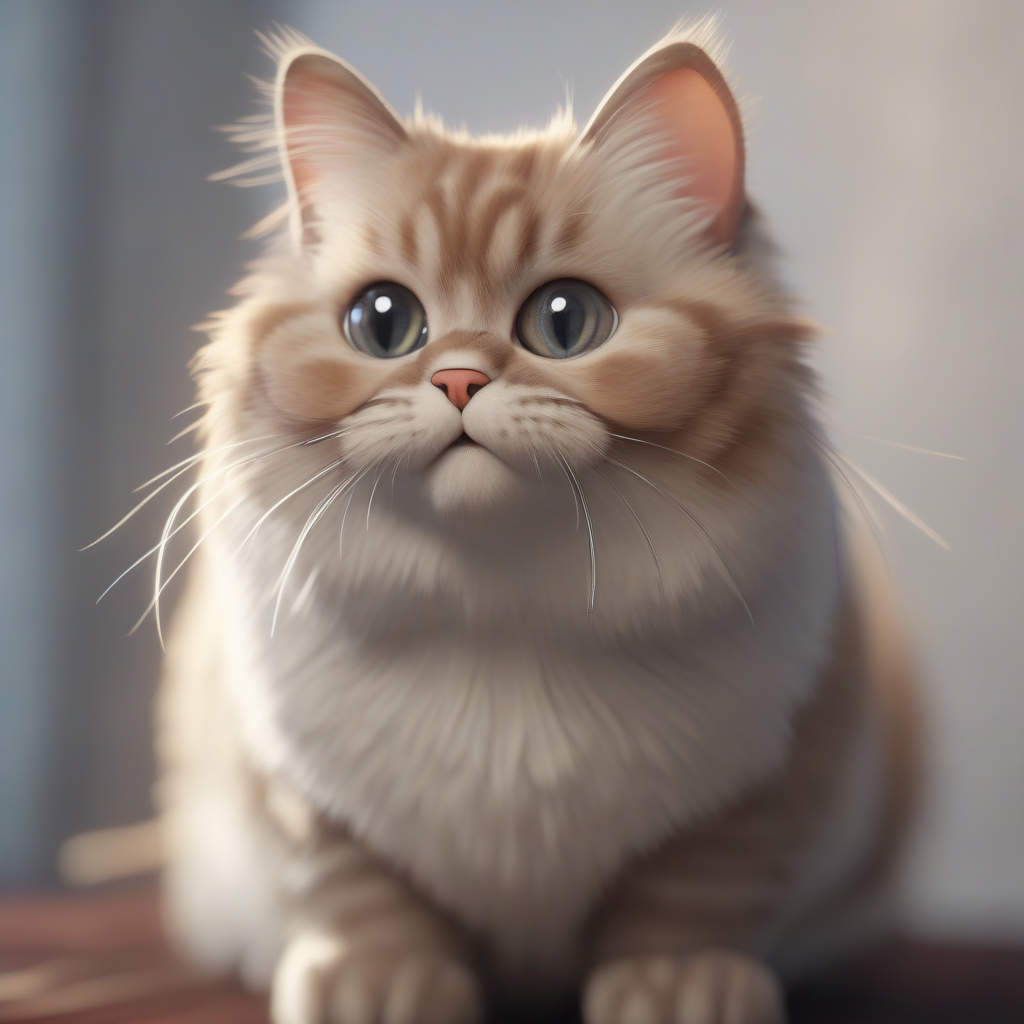
Munchkin Cat: The Adorable World of Short-Legged Felines and Their Care
Munchkin cats have gained popularity among cat lovers in recent years due to their playful, curious nature, and their most distinctive feature: short legs. This unique physical trait sets them apart from other cat breeds and gives them an adorable appearance.
Origin and History of the Munchkin Cat
The origin of Munchkin cats dates back to the discovery of short-legged cats in the United States, particularly in Louisiana, in the 1980s. This genetic mutation is caused by a gene affecting the cat's spine, resulting in shorter-than-normal legs. Munchkin cats are kittens from cats that exhibit the effect of this gene and have standard-length legs.
The breed's name was inspired by the short-statured characters in L. Frank Baum's "The Wizard of Oz." Although initially controversial, the breed has been recognized by The International Cat Association (TICA) and has gained attention for its unique characteristics.
Physical Characteristics and Personality of the Munchkin Cat
The most striking feature of Munchkin cats is their legs, which are much shorter than those of an average cat. This causes them to move closer to the ground. However, despite their short legs, their other physical characteristics are generally typical of standard cats. Their bodies are medium-length, their heads are triangular, and their ears are medium-sized and erect. Their fur can be short or medium-length and comes in various colors and patterns.
Munchkin cats are generally playful, cheerful, and curious. They are energetic and love to play. They get along well with people and are usually social. They can be compatible with children and other pets, making them a popular choice for families.
Despite their short legs, these cats are surprisingly agile. Their climbing and jumping abilities are well-developed, even with their leg length. However, excessive climbing or frequent jumping to high places may be potentially challenging due to their short legs and requires careful observation.
Munchkin Cat Care
Caring for Munchkin cats is generally similar to that of other short-haired or medium-haired cats. However, there are some specific points to consider due to their short legs.
Coat Care
Coat care for short or medium-haired Munchkin cats is relatively easy. Brushing them once or twice a week with a soft cat brush helps remove dead hair and control shedding. For long-haired individuals, the brushing frequency can be increased.
Nutrition
Munchkin cats generally have a healthy metabolism. However, as they may be prone to inactivity, a balanced and high-quality diet is important. Portion control should be exercised to prevent weight gain, and high-protein, low-carbohydrate foods are preferred. You can choose a food suitable for your cat's age, weight, and activity level by consulting your veterinarian.
Exercise and Play
Munchkin cats are energetic and playful. It's important for them to be mentally and physically stimulated. Various cat toys, scratching posts, and interactive games help them expend their energy and stay happy. It may be advisable to avoid overly strenuous games or those requiring high climbing due to their short legs.
Health and Veterinary Check-ups
Munchkin cats are generally a healthy breed. However, there may be some genetic predispositions related to their short legs. These can include spinal problems, joint issues, or heart conditions. Therefore, regular veterinary check-ups, adherence to the vaccination schedule, and early detection of potential health problems are of great importance.
Environmental Safety
Ensuring the home environment is safe for Munchkin cats is essential. Due to their short legs, they may have easier access to some narrow spaces or dangerous areas. They should be kept away from toxic plants, chemicals, and small ingestible objects.
Conclusion
Munchkin cats continue to capture the hearts of cat lovers with their cheerful, playful, and loving nature, despite their short legs. With the right care, nutrition, and attention, you can enjoy a long and happy life with these adorable companions. If you are considering adopting a Munchkin cat, be sure you are ready to understand the needs of this unique breed and provide a loving home.