Harmony in Multi-Cat Households: March 2026's Best Management Strategies and Harmonious Living Tips
Living with multiple feline friends in our homes is an invaluable source of love and joy. However, each of these furry family members has unique personalities, needs, and a naturally territorial disposition. As we enter March 2026, understanding the dynamics of multi-cat households and ensuring each pawed companion lives in peace has become more important than ever. So, how can we achieve harmony in this complex yet rewarding lifestyle? Here are March 2026's latest management strategies and tips.
Foundations of Harmony in Multi-Cat Households: Why It Can Be Challenging?
Cats, by nature, are solitary hunters. This means that even though they are domesticated, some of their genetic code still operates with a "my territory, my resources" philosophy. When multiple cats live together, hidden or overt competition for resources (food, water, litter boxes, sleeping spots, toys) can arise. This can lead to unwanted behaviors such as stress, aggression, and inappropriate urination outside the litter box.
Dynamics of Cat Psychology
Cats typically use more subtle and complex signals in their interactions with each other compared to their interactions with humans. The slightest sign of discomfort a cat shows towards another can, over time, escalate into significant tension. Every cat has a specific need for its own 'social space,' and the infringement of this space causes stress.
Resource Conflicts
Scarce resources are one of the most common problems in multi-cat households. Insufficient numbers of food/water bowls, litter boxes, or comfortable sleeping areas can lead to competition and hierarchy struggles among cats. These conflicts often begin quietly and imperceptibly but can escalate over time into shedding, hissing, and even physical fights.
March 2026's Harmonious Living Strategies: 7 Steps to Multi-Cat Happiness
Here are proven strategies and current approaches you can implement to ensure your cats truly become friends in your home:
1. Distribute Resources Wisely (Apply the "N+1" Rule)
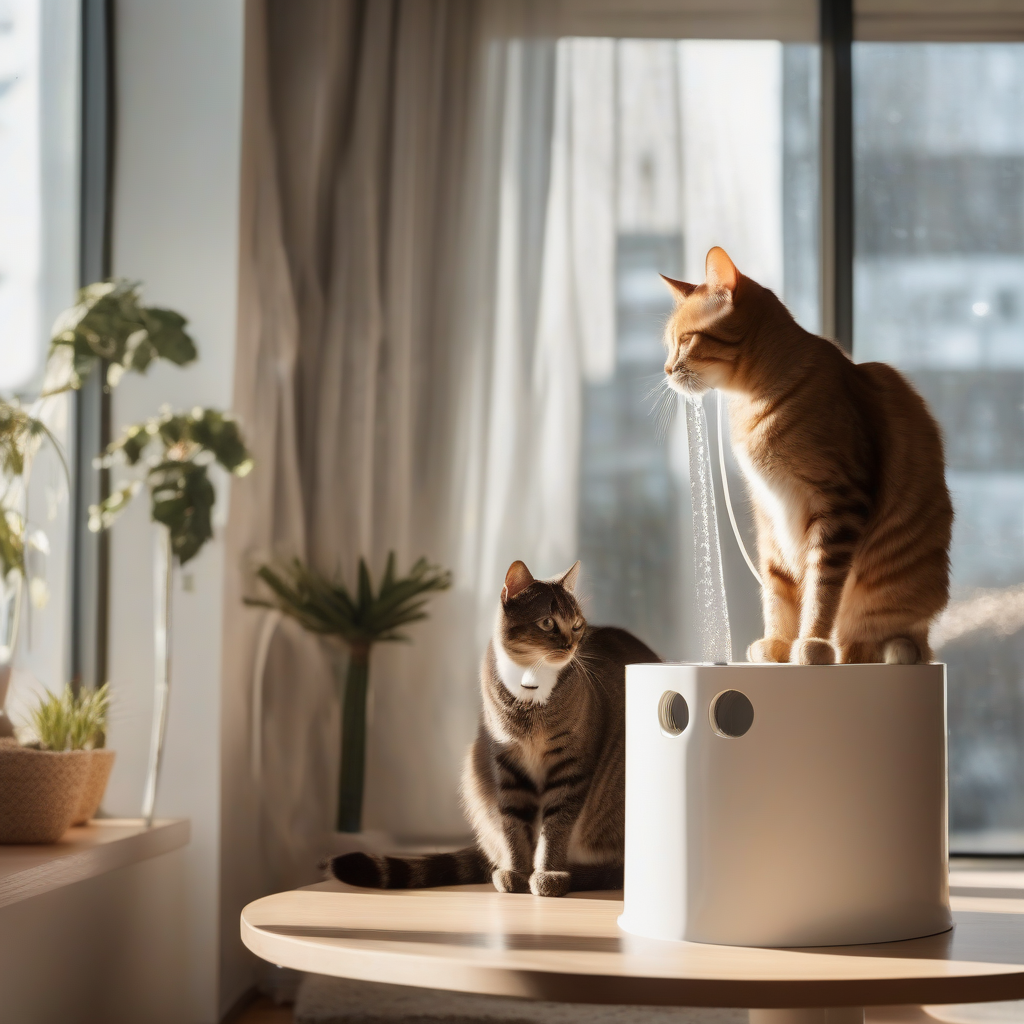
Providing sufficient and accessible resources for each cat is fundamental. The "N+1" rule is generally recommended; meaning there should be one more litter box, food bowl, and water bowl than the number of cats (N) in your home. Minimize potential conflicts by placing these resources in different areas of the house, out of direct sight of each other. Especially for water bowls, the popular March 2026 trend of flowing water fountains or wide, shallow bowls encourages cats to drink more.
2. Manage the Introduction Process Correctly
Is a new cat joining your home? The initial introduction is critical for future harmony. Instead of rushing to bring cats together, follow a gradual process. First, keep the new cat in a separate room, allow for scent exchange, and then move to controlled, short visual interactions. Support this process with positive reinforcement (treats, play). This helps cats associate each other with positive experiences.
3. Provide Plenty of Vertical Space and Hiding Spots
Cats love heights, and vertical spaces make them feel secure, as well as increasing usable space in the home. Multi-level cat trees, wall-mounted shelves, or window perches offer vertical living spaces that provide escape routes and observation points, reducing stress. Make sure each cat has its own private hiding spot.
4. Create Individual Attention and Play Times
Every cat needs attention and playtime. In multi-cat households, it's crucial to dedicate individual time to each cat. This makes them feel special and prevents feelings of jealousy. Organize individual play sessions with different toys such as laser pointers, feather wands, or interactive toys.
5. Observe and Understand Cat Behaviors
Cats often signal stress and discomfort with subtle cues. Pay attention to signs such as narrowed eyes, flattened ears, tail movements, excessive grooming, or changes in appetite. Recognizing these signs early allows you to address potential problems before they escalate. Do not hesitate to seek help from a behavior specialist if needed.
6. Don't Neglect Environmental Enrichment
An enriched environment is vital for cats' mental and physical health. Especially prominent in March 2026 trends, interactive feeders, puzzle toys, and natural scent enrichers (catnip, valerian root) prevent your cats from getting bored. Such activities satisfy their natural hunting instincts and positively influence their interactions with each other.
7. Don't Miss Vet Check-ups and Explore Stress Management Products
Behavioral changes can sometimes indicate an underlying health issue. Regular veterinary check-ups are important for early diagnosis of potential health problems. Additionally, for some cats, pheromone diffusers or natural supplements recommended by a veterinarian can help lower stress levels. Calming sprays enriched with natural essences, gaining popularity in March 2026, can also be a good option.
Common Multi-Cat Household Problems and Solutions
Aggression and Territorial Disputes
If you observe aggression among your cats, first ensure that all resources are sufficient and distributed fairly. If necessary, separate the cats for a short period to allow tension to subside. Feline pheromone products can help reduce stress in the environment. In cases of prolonged or severe aggression, consulting a veterinarian or a cat behavior specialist is best.
Inappropriate Urination Outside Litter Box
One of the most common causes of this behavior is stress. Providing enough clean litter boxes, changing their location, or trying different types of litter can be helpful. A vet check is essential to rule out health issues.
Resource Guarding
If you notice one cat guarding food, water, or a favorite sleeping spot from other cats, increase the number of relevant resources and place them in different locations. Make sure each cat feels they have their own "safe" space and resources.
Conclusion
Achieving harmony in multi-cat households requires patience and observation. Understanding each cat's individual needs, providing them with adequate resources and space, and encouraging positive interactions are key to ensuring your furry friends live a happy and peaceful life together. By implementing these strategies in March 2026, you can create a true cat paradise in your home.