March 2026's Viral Guide: 7 Critical Steps to Harmony and Peace in Multi-Cat Households! Secrets to Building Healthy Relationships Among Your Feline Friends
Living in a multi-cat household is one of the most joyful and rewarding experiences a cat owner can have. The happiness, playfulness, and love that multiple furry friends bring into your home are priceless. However, harmonious coexistence of more than one cat under the same roof can also present unique challenges. As of March 2026, current research on cat behavior and welfare allows us to better understand the social dynamics among our furry companions. In this viral guide, you will discover 7 critical steps you can take to foster peace and harmony in multi-cat homes. Our goal is to help your cats not only share the same living space but also build healthy and happy relationships with each other.
Why is Harmony Among Cats Important?
While cats are often known as solitary hunters, they can be social creatures under appropriate conditions. However, by nature, they are territorial animals, and competition over resources (food, water, litter boxes, sleeping areas, play) can lead to stress and conflict. Constant tension can cause behavioral issues, physical health problems, and even depression in cats. A harmonious environment lowers stress levels for all your cats, fosters healthier bonds, and enhances their overall well-being. The energy in your home also benefits positively from this harmony.
Territorial Needs and Resource Sharing
Every cat needs its own space and easy access to resources. This includes not only food and water bowls but also safe sleeping spots, scratching areas, and litter boxes. Cats can often be reluctant to share these resources, so providing sufficient and varied resources for each cat, distributed across different locations, is critically important. Understanding these basic needs is the first step towards ensuring peace in multi-cat households.
March 2026's 7 Critical Steps for Multi-Cat Households
In light of current pet trends and cat behavior science, we offer practical and effective strategies to strengthen harmony in multi-cat homes:
1. Space Management and Utilizing Vertical Spaces
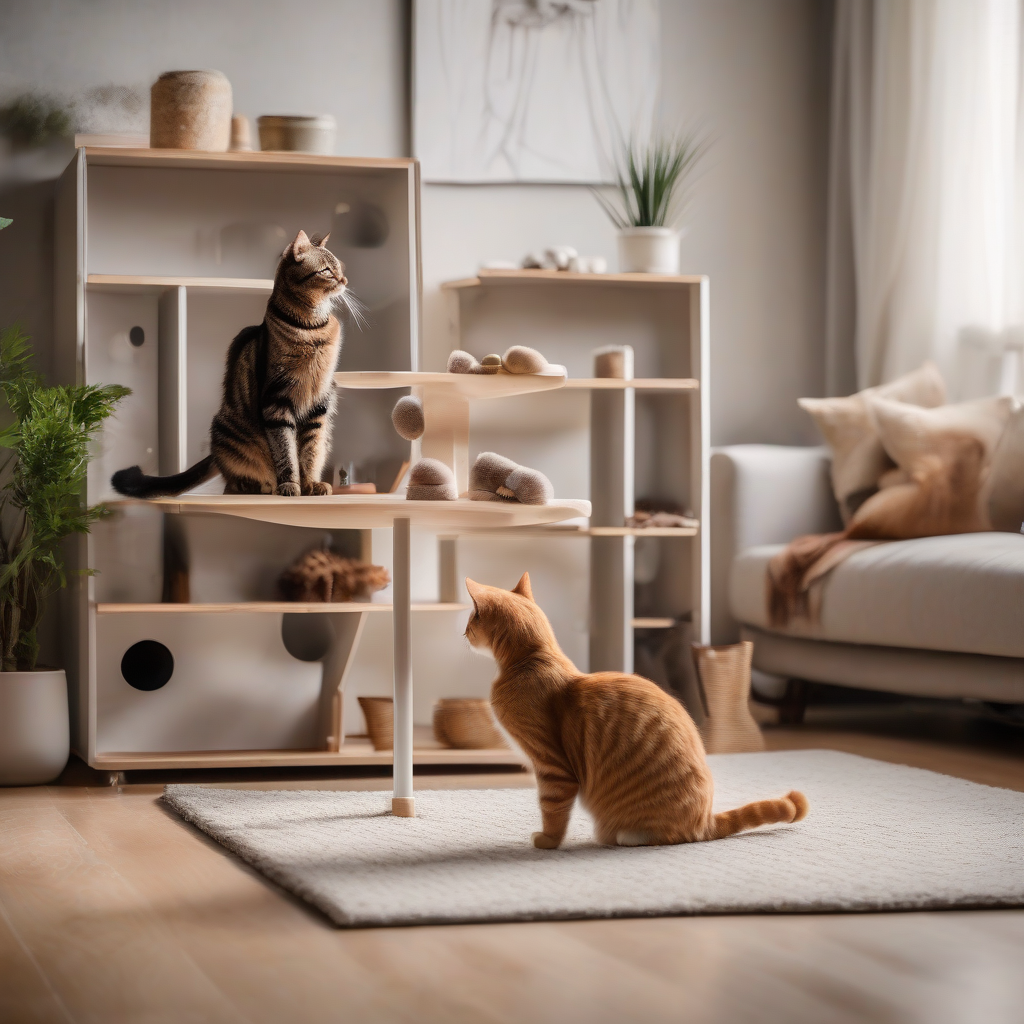
Cats love vertical spaces! Tall climbing towers, window perches, wall shelves, or tops of cabinets offer fantastic opportunities for cats to feel secure and perceive the space as larger. By providing each cat with their own "high observation point," you can prevent potential territorial disputes and ensure each has their private area. Optimizing vertical space is one of March 2026's most popular solutions to reduce household tension, just as much as dividing horizontal space into zones.
2. Providing Abundant Resources
Adopt the "one per cat, plus one more" rule. This is especially true for food and water bowls and litter boxes. For example, if you have three cats, there should be at least four litter boxes and a sufficient number of food/water bowls distributed in different locations. Placing resources in different parts of your home (different rooms, different floors) allows cats to meet their needs without competition. This also enables shyer or lower-ranking cats to feed and relieve themselves securely.
3. Individual Attention and Playtime
Every cat needs individual attention and interaction. While group play can be fun, spending quality one-on-one time with each cat strengthens your bond and makes the cat feel special. Organize short, focused play sessions with laser pointers, feather wands, or interactive toys. These individual interactions help cats feel secure and valued, leading to less jealousy and conflict in a multi-cat environment.
4. Positive Reinforcement and Treats
Encourage and reward positive interactions between your cats. When your cats stand close to each other, relax together, or start grooming each other, reward them. Tasty treats, a gentle stroke, or play will reinforce such behaviors. This helps cats associate each other with positive things and gradually strengthens their bond. This approach is one of the most recommended methods in cat training for March 2026.
5. Cat Pheromone Diffusers and Calming Sprays
In some situations, using diffusers or sprays containing synthetic cat pheromones (such as brands like Feliway) can be effective in reducing environmental stress. These products contain synthetic imitations of pheromones naturally secreted by cats, which make them feel safe and comfortable. During the introduction of a new cat or periods of increased tension in the home, these products can help calm the general atmosphere. This is not direct "scent therapy" but a scientifically proven behavioral management tool.
6. Slow and Controlled New Cat Introduction
If you are bringing a new cat into your home, the process should be slow and controlled. Instead of suddenly bringing cats together, follow a gradual introduction plan:
- Separate Rooms: Keep the new cat in a separate room for a few days, allowing them to smell each other under the door.
- Scent Exchange: Exchange blankets or towels to help them get used to each other's scent.
- Visual Contact: Allow brief visual contact by cracking the door or using a baby gate.
- Supervised Meetings: Arrange short, supervised meetings in a calm environment and reward positive interactions.
This phased approach gives each cat time to adapt to the situation and minimizes potential conflicts.
7. Routine Check-ups and Vet Visits
Regular veterinary check-ups are vital to understand if there is an underlying medical reason for any behavioral changes or conflicts. Pain, discomfort, or a chronic illness can affect a cat's behavior and disrupt their relationships with other cats. Early diagnosis and treatment are critical not only for your cat's health but also for the overall harmony of your multi-cat household. Cats tend to hide their pain, so being proactive is important.
Signs of Disharmony and What to Do?
Increased growling, hissing, chasing, inappropriate urination outside the litter box, loss of appetite, or excessive grooming are signs of disharmony among your cats. When you observe these signs:
- Review Resources: Check if there are sufficient resources and their distribution.
- Separate Spaces: If necessary, temporarily separate the cats.
- Seek Expert Help: Get support from a cat behavior specialist or veterinarian.
Remember, the peace and health of your cats are in your hands. By implementing these 7 critical steps, you can create a happy and harmonious living space for everyone in your multi-cat home. With love and patience, you will strengthen the bond between your furry friends and bring endless joy into your home!