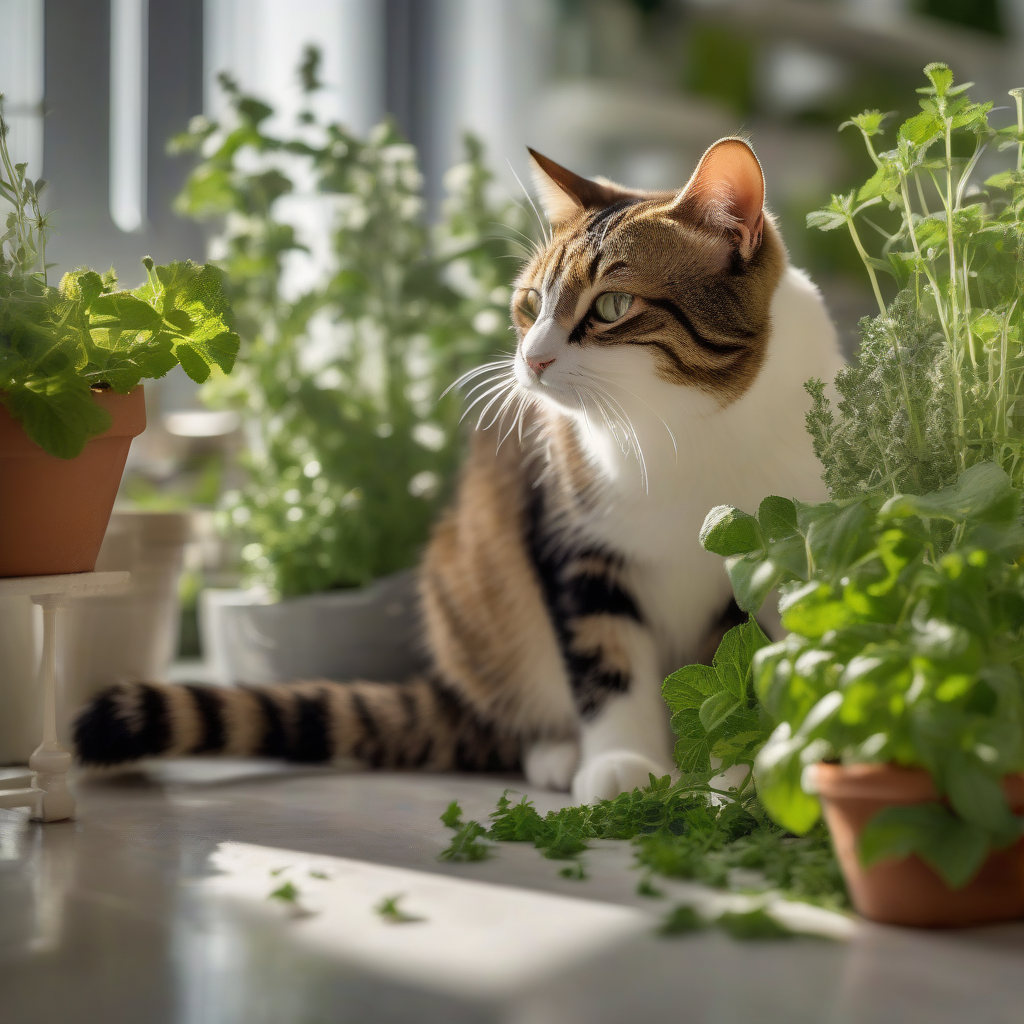
March 2026 Cat Trends: An Aromatic Spring for Your Feline Friend with a 'Meow-Herbal Garden'!
In March 2026, a growing awareness in pet ownership and sensitivity towards the well-being of our furry companions are opening doors to new trends. This spring, the concept of a 'Meow-Herbal Garden,' specifically designed for cats, is emerging as a prominent trend, offering both aesthetic appeal and benefits. This is not merely a decorative element but an innovative trend that enriches our cats' sensory world, supports them naturally, and brings the energy of spring into your home.
Why Will the 'Meow-Herbal Garden' Be the Trend of March 2026?
While cat toys, smart feeders, or digital health trackers were popular in previous years, the focus in March 2026 will shift towards natural solutions, herbal remedies, and experiences that appeal to a cat's instincts. Cats are naturally curious about plants. However, many common houseplants can be toxic to cats. This is where the 'Meow-Herbal Garden' comes in: creating special areas with aromatic plants that are completely safe and even beneficial for cats.
Key Elements of This Trend:
- Safety First: Selection of plants that are absolutely non-toxic, and instead, are safe for cats to eat, smell, and even play with.
- Sensory Richness: Stimulating the cat's sensory perception with plants of different textures, scents, and tastes.
- Natural Support: Certain plants offering benefits such as calming effects, aiding digestion, or acting as hairball remedies.
- Aesthetics and Functionality: Enhancing your home with natural beauty and elegance while providing an enjoyable living space for your cat.
What Are Safe and Aromatic Plants for Your Cat?
The correct selection of plants is crucial for this innovative trend of March 2026. Here are some safe and beneficial plants to brighten your feline friend's spring:
1. Catnip (Nepeta cataria)
- Effect: Induces a temporary state of euphoria and relaxation in cats, increasing their playfulness. It can also have a calming effect on some cats.
- How to Offer: Fresh leaves can be offered to your cat, or dried catnip can be used to stuff toys.
- SEO Tip: "Most popular plant for cats", "benefits of catnip", "herbs that make cats happy"
2. Catmint (Nepeta spp.)
- Effect: Similar effects to catnip, but generally milder. Known for its calming properties.
- How to Offer: Can be offered fresh or dried, planted in your garden or pots.
- SEO Tip: "Catmint benefits", "calming plants for cats", "natural cat toys"
3. Valerian
- Effect: Can be as effective as, or even more potent than, catnip in inducing relaxation and calmness in some cats. May be beneficial for cats with sleep issues.
- How to Offer: Roots or leaves can be dried and placed in toys or added in small amounts to their food.
- SEO Tip: "Valerian effect on cats", "sleep regulating plants for cats", "natural stress reliever for cats"
4. Parsley
- Effect: Fresh parsley can help freshen a cat's breath and, in small amounts, can support the digestive system. It is rich in vitamin C and iron.
- How to Offer: Fresh leaves can be washed and added in small pieces to their food bowl.
- SEO Tip: "Parsley benefits for cats", "plants that freshen cat breath", "natural cat vitamins"
5. Rosemary
- Effect: Rosemary has antioxidant properties and can aid digestion. Its strong scent may attract some cats while repelling others, so it should be used with trial and error.
- How to Offer: Fresh sprigs or small amounts of dried leaves can be added to their food.
- SEO Tip: "Rosemary cat health", "antioxidant plants for cats", "natural cat food additives"
How to Set Up a 'Meow-Herbal Garden' for Your Cat
There are several ways to bring this trend into your home in March 2026:
H2: Step-by-Step Creation of a Cat-Friendly Plant Garden
H3: 1. Safe Plant Selection and Procurement
Obtain safe plants listed above or approved by your veterinarian. Opt for organically certified seeds or seedlings. Avoid houseplants that can be toxic to cats or some kitchen spices (e.g., onions, garlic, some mint family members).
H3: 2. Proper Pot and Soil Selection
Use high-quality, non-toxic soil, considering that your cat might nibble on it. Opt for heavy or wide-based pots to prevent them from being knocked over. Ensure there are drainage holes.
H3: 3. Placement Accessible to the Cat but Safe
Place the plants in an area where your cat can easily reach them but cannot knock them over or climb on them during play. Tabletops, specially designed shelves, or windowsills can be ideal.
H3: 4. Variety and Trial and Error
Don't stick to just one plant. Keep a variety of plants with different aromas and textures together and observe your cat's preferences. Some cats adore catnip, while others might prefer catmint.
H3: 5. Maintenance and Cleaning
Water the plants regularly and remove dead leaves. Monitor your cat's consumption of the plants; excessive intake of certain plants can lead to digestive issues. Consult your vet to determine safe consumption levels.
H3: 6. Interaction with Your Cat
Introduce your cat to the new plant area. Spend time playing together in this space. This will help your cat develop a positive relationship with the plants.
H2: A New Era in Pet Ownership in March 2026
The 'Meow-Herbal Garden' trend represents a significant step in how we can naturally contribute to the physical and mental health of our cats. This trend also reflects the growing awareness of pet owners and their desire to provide richer, healthier living spaces for their companions. In March 2026, why not explore this innovative trend to enjoy an aromatic and peaceful spring in harmony with nature alongside your furry friends?
Remember, every cat is different. Ensure you consult your veterinarian to choose the most suitable plants for your cat's specific needs and allergies.