March 2026's Zero-Waste Paw Revolution: Create a Feline Paradise from Household Waste! – DIY Sustainable Cat Products Guide
March 2026 marks a period where the quest for a more conscious life for our planet and our furry friends has reached its peak. The concept of sustainability has become not just a choice, but a philosophy of life in pet care. Especially for cats, the “Zero-Waste Paw Revolution” is the new favorite among conscious pet parents who want to be environmentally friendly while maximizing their little companions' happiness.
So, what is this revolution, and how can you create a unique paradise for your cat using simple household waste materials? Let's explore together!
Introduction: What is the Zero-Waste Paw Revolution and Why is it So Important?
The "zero-waste" philosophy is an approach that encourages minimizing consumption, reusing, and recycling in our lives. In the pet industry, this approach is gaining momentum, particularly with the goal of reducing the environmental impact of packaging waste and single-use products. As of March 2026, cat parents are not only focusing on the eco-friendliness of the products they purchase but also on how they can utilize existing resources at home.
Adopting a zero-waste philosophy for your cat not only helps protect the planet but also contributes to your cat's health and safety. By making your own products, you can avoid chemical-laden or low-quality materials, creating a completely safe and personalized environment for your friend. Moreover, this approach will positively impact your budget.
Unleash Your Creativity: Which Waste Materials Can Become a Feline Paradise?
Many "waste" materials at home can actually transform into wonderful toys, comfy beds, or exploration areas for your cat. The key is to ensure their safety and cleanliness. Here are potential resources you can use when creating custom products for your cat:
Cardboard Boxes and Rolls
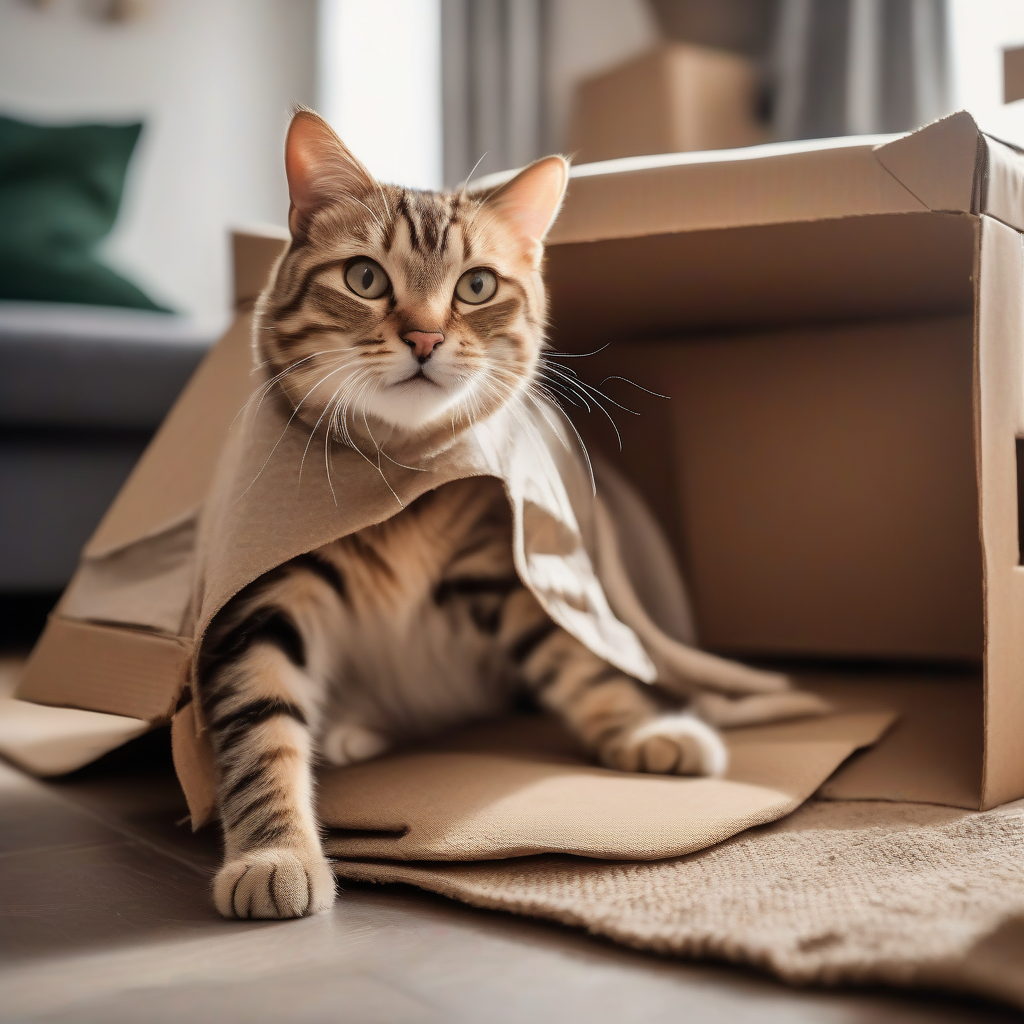
Empty cardboard boxes, toilet paper, or paper towel rolls are a natural magnet for cats. They are ideal for making tunnels, castles, hiding boxes, or even vertical scratching posts.
Old Fabrics and Clothes
Unworn T-shirts, sweaters, towels, or sheets are perfect materials for soft cat beds, toys, or cat hammocks. Make sure they are washed and clean.
Plastic Bottles and Containers
Cleaned large plastic bottles or yogurt containers can be repurposed into food puzzle dispensers for enrichment games. However, ensure that plastic materials do not have sharp edges and there are no small parts your cat could swallow.
Natural Materials
Safe and untreated thick branches collected from your garden (from non-toxic trees) can make excellent natural scratching posts for your cat's climbing and nail-sharpening needs. Pinecones can become natural, fragrant balls for your cat to play with (but supervision is essential to ensure they don't ingest them).
DIY Projects: Step-by-Step Sustainable Cat Products
Now it's time to turn these materials into creative projects! Here are some of March 2026's most popular DIY cat product projects:
Project 1: Recycled Cardboard Cat Castle/Tunnel
Cats, due to their natural hunting instincts, love to hide and observe from high places. Cardboard boxes perfectly meet this need.
- Materials: Sturdy cardboard boxes of various sizes, packing tape (ensure it's not accessible to the cat), scissors/utility knife.
- Construction Steps: Cut off the box lids or fold them inward. Arrange the boxes side-by-side or stacked to create tunnels and chambers. Cut openings for easy entry/exit and peepholes. Secure them safely with tape. You can place a favorite toy inside to entice your cat.
- Safety Tips: Ensure there are no sharp edges. Cut openings wide enough so your cat won't get stuck.
Project 2: Super Soft Cat Bed from Old Sweaters
Even after the cold winter days give way to spring freshness, cats seek a soft and warm spot. With an old sweater, you can make a comfortable bed for your cat that also carries your scent.
- Materials: A large, old sweater or fleece jacket, old T-shirts/fabric scraps for stuffing, needle and thread (or sewing machine).
- Construction Steps: Cut off the sleeves of the sweater and sew them onto the body (to be hidden inside). Sew the bottom of the sweater. Stuff the filling materials (old T-shirts, fabric scraps) tightly into the sweater from the neck opening. Sew or tie the neck opening closed. If desired, you can sew in a few places to shape the bed further.
- Comfort and Safety: Ensure the stuffing material is non-allergenic for your cat and does not contain small ingestible pieces.
Project 3: Surprise-Filled Toilet Paper Roll Toys
This simple but effective toy will stimulate your cat's hunting instincts and provide mental enrichment.
- Materials: Empty toilet paper rolls, cat treats or small pieces of wet food.
- Construction Steps: Fold the ends of the rolls inward to close them. After closing one end, drop a few small treats inside. Fold and close the other end. You can cut a few small holes in the middle to make it easier for your cat to open and reach the treats. As your cat rolls the tube, treats will fall out, motivating them.
- Cat Hunting Instincts: These types of “hunting” games allow cats to use their natural skills and alleviate boredom.
Project 4: Homemade Natural Scratching Post (Wood and Rope)
Cats' need to sharpen their claws is important for both their health and the protection of household furniture. You can make a sturdy scratching area with old wood and natural rope.
- Materials: A sturdy, flat piece of wood, natural jute or sisal rope (undyed and untreated), non-toxic adhesive or staple gun.
- Construction Steps: Clean and smooth the surface of the wooden board. Start wrapping the rope tightly around the wood, securing it with adhesive or a staple gun at each turn. Ensure the rope covers the entire surface with no gaps. Allow it to dry and present it to your cat.
- Nail Health and Furniture Protection: This way, your cat will sharpen its claws on a natural surface, discouraging them from damaging your furniture.
Safety First: What to Pay Attention to in DIY Products
While DIY projects are great, your cat's safety should always be your priority:
- Non-Toxic Materials: Ensure all materials you use are non-toxic for your cat. Be especially careful when choosing adhesives, paints, or fabrics.
- Risk of Swallowing Small Parts: Avoid materials that contain small parts, buttons, or beads that your cat could tear off and swallow.
- Sharp Edges and Points: When using materials like wood, cardboard, or plastic, ensure there are no sharp edges or points. Sand or tape them if necessary.
- Regular Cleaning and Maintenance: DIY products, just like other cat items, should be cleaned regularly and repaired or replaced when they show signs of wear and tear.
Embrace the Zero-Waste Paw Lifestyle: More Tips
The Zero-Waste Paw Revolution is not limited to DIY products. You can integrate this philosophy into other areas of your life:
- Bulk Food/Litter Shopping: Whenever possible, buy food and cat litter in large packages or in bulk to reduce packaging waste.
- Compostable Cat Litter Options: Opt for cat litters made from recycled paper or plant-based, compostable materials.
- Surplus Cat Supplies: Contribute to the circular economy by donating unused or no longer needed cat supplies (toys, beds) to shelters or exchanging them with other cat parents.
- Local and Sustainable Pet Brands: Support local pet brands that practice eco-friendly production to contribute to sustainability.
Conclusion: A Sustainable Future, A Happy Cat
March 2026's Zero-Waste Paw Revolution allows us to enhance your cat's quality of life while fulfilling our responsibility to our planet. By unleashing your creativity with household waste materials, you will create unique and safe products and spread environmental awareness. These small steps are key to building a healthier and more fun world for your furry friend, and a more sustainable future for all of us. Come on, join this revolution and watch your cat enjoy the paradise you created with your own hands!