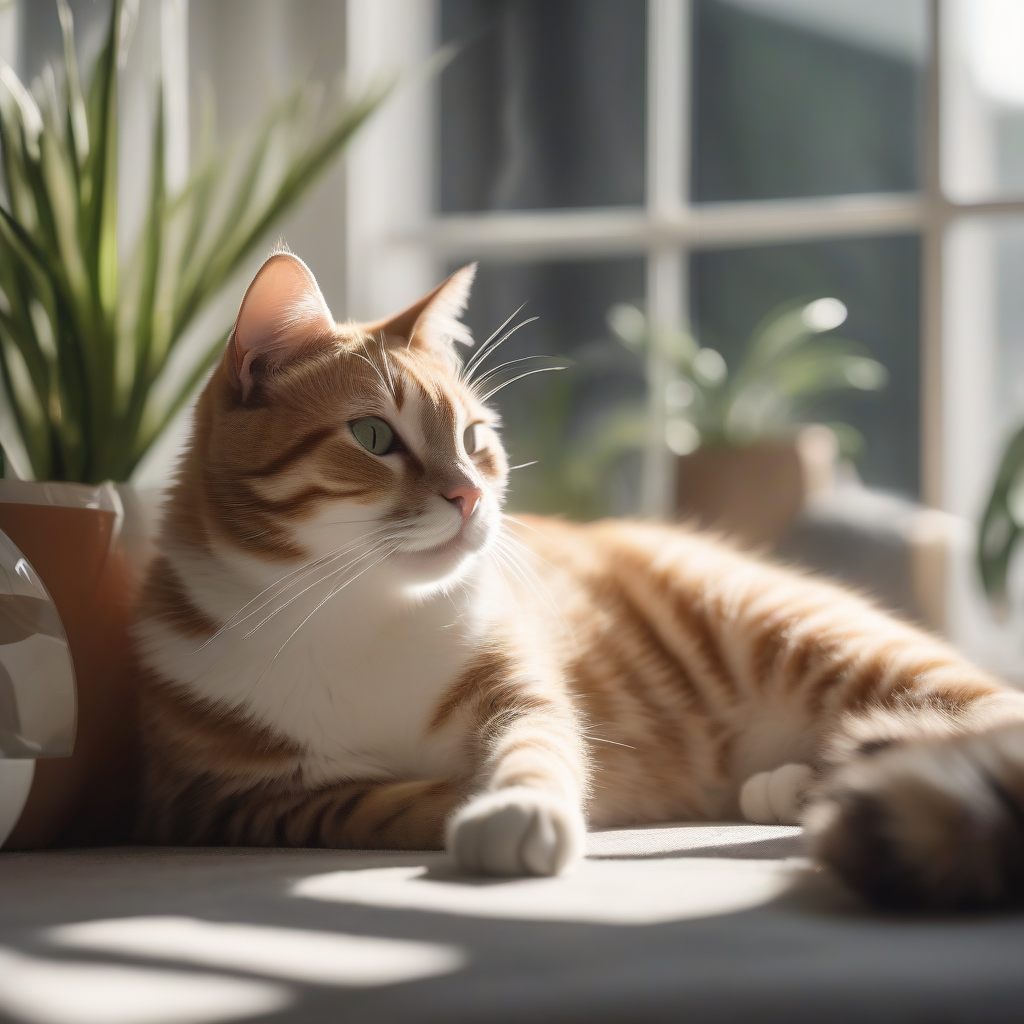
Introduction: Is Spring Cleaning Just for You? Cats Love Refreshment Too!
As we step into March 2026, we're all busy preparing our homes for spring. However, we shouldn't forget to put our furry friends, our cats, at the center of this hustle. The dust, enclosed space syndrome, and allergen buildup from the winter months can directly affect our cats' health and comfort. "Your Cat's Spring Detox" is not just a cleaning routine; it's a comprehensive guide to revitalizing your little pawed friends' living space for a happier, healthier, and more energetic spring. This approach, prominent among current pet trends, aims for conscious choices by pet owners and providing their cats with the best possible quality of life.
Why Should You Do a Special Spring Detox for Your Cat?
Cats are highly sensitive to changes in their environment. Exposure to chemicals, dirty food/water bowls, and the accumulation of fur and allergens can weaken their immune systems, lead to respiratory problems, or skin irritations. This detox guide offers the keys to creating a toxin-free and hygienic environment that aligns with your cat's natural life cycle.
Step 1: Switching to Chemical-Free Cleaning Products
The products we use for home cleaning can pose potential dangers to our cats. As of March 2026, there's a growing interest in pet-friendly and environmentally conscious cleaning products. Strong chemical-based products can stick to your cat's paws, get on their fur, and be ingested through grooming.
Safe Options: Vinegar, Baking Soda, and Plant-Based Products
Natural and safe cleaning alternatives are the first step to protecting your cat's health. White vinegar, diluted with water, is an excellent disinfectant and odor remover. Baking soda, a natural odor absorber and mild abrasive, can clean surfaces without scratching. Additionally, opt for plant-based, unscented cleaners that do not contain essential oils that might be toxic to cats, such as lavender or citrus.
What to Avoid: Products Containing Ammonia, Chlorine, and Phenol
Cleaners containing ammonia, chlorine bleach, and phenol can cause respiratory irritation, gastrointestinal distress, and even liver damage in cats. Cats are much more sensitive to these scents than humans. Avoid using such products, or if you must, ensure your cat is kept out of the room and the area is thoroughly ventilated.
Step 2: Deep Cleaning and Disinfecting Cat Supplies
Your cat's personal items can become breeding grounds for bacteria and germs. Regular and thorough cleaning minimizes this risk.
Food and Water Bowls: Bid Farewell to Germs
Food and water bowls, especially plastic ones, are ideal environments for bacterial growth. They should be washed daily and disinfected at least once a week with hot soapy water or in a dishwasher. Stainless steel or ceramic bowls are more hygienic options than plastic.
Toys and Beds: Fur and Bacteria Havens
Your cat's toys and beds accumulate fur, dust mites, and bacteria over time. Fabric toys and beds should be machine washable. Regularly washing them at high temperatures removes allergens and germs. Plastic or rubber toys should be washed with soapy water and rinsed.
Scratching Posts and Cat Trees: A Hygienic Play Area
Scratching posts and cat trees are important for your cat to relieve stress and exercise. However, these surfaces also collect fur and dander. They should be vacuumed regularly and disinfected with a steam cleaner if possible. Replacing old or frayed scratching areas is important for both hygiene and safety.
Step 3: Improving Indoor Air Quality
A clean home means clean air. Air quality is vital, especially for cats living indoors.
Natural Air Purifiers and Plants
Air-purifying plants (choose those non-toxic to cats, e.g., Boston fern, spider plant) can absorb toxins in the home and improve air quality. Cat-friendly air purifiers can also filter out particles and allergens, helping protect your cat's respiratory health.
Regular Ventilation and Filter Maintenance
Regularly ventilating your home ensures fresh air circulation and reduces indoor air pollution. Changing the filters of your heating, ventilation, and air conditioning (HVAC) systems regularly also lowers allergen and dust levels in the home.
Step 4: Toxin Hunt: Poisonous Plants and Dangerous Substances
With spring, plants brought into our homes or substances left open can pose significant risks to cats.
List of Household Plants Dangerous for Cats
Many popular spring plants such as lilies, azaleas, tulips, daffodils, and chrysanthemums are toxic to cats. If you have such plants in your home, place them out of your cat's reach or remove them entirely. Alternatively, you can opt for cat-friendly plants like catnip, spider plants, or African violets.
Safe Storage of Medications, Cleaning Supplies, and Small Objects
Medications, cleaning supplies, batteries, string, and small jewelry left within your cat's reach can cause serious health problems or choking. Ensure all these items are stored securely in locked cabinets or on high shelves.
Step 5: Special Care for Shedding Season and Vacuuming Routine
Spring is a period of heavy shedding for most cats. This requires special precautions for both your cat's health and your home's hygiene.
Effective Hair Collection Methods and Vacuum Cleaner Selection
Daily brushing significantly reduces dead hair buildup, hairballs, and the amount of fur in your home. Acquiring a powerful vacuum cleaner that effectively picks up pet hair is essential for spring detox. HEPA-filtered models are particularly good at trapping allergens.
Extra Brushing Tips for Your Cat's Fur Health
Brushing not only collects fur but also stimulates blood circulation and supports skin health. You can make this routine an enjoyable experience for your cat by using soft-tipped brushes or grooming gloves.
Step 6: Creating Stress-Reducing and Relaxing Nooks
Cleaning and change can be stressful for cats. Creating safe and relaxing areas for them makes this process easier.
Calming Areas and High Observation Points
Providing high areas where your cat can hide, rest, and observe its surroundings (cat trees, shelves) or tunnels/boxes helps them feel secure. These areas will be peaceful spots for them to retreat to during or after cleaning.
Pheromone Sprays and Natural Soothers
Veterinarian-approved pheromone sprays or diffusers can help reduce your cat's stress levels. Natural soothers like catnip or valerian root can also have a positive effect on some cats, but dosage should be carefully monitored.
Step 7: Turn Spring Detox into a Game!
Cleaning doesn't have to be boring! You can make it more enjoyable by involving your cat, entertaining them during the process.
How to Entertain Your Cat During Cleaning
While the sound of the vacuum cleaner might scare some cats, for others, it can be a moving play object. During vacuuming or dusting, you can redirect your cat's attention to a safe toy or create an area where they can engage with a new cat toy. Encouraging your cat with treats can also help them approach the process positively.
Motivation with New Toys
At the end of the spring detox, offering your cat new, safe, and healthy toys to play with in their cleaned and refreshed environment will increase their motivation. This can be perceived as a reward after the cleaning.
Conclusion: Welcome a Fresh Spring Together with Your Cat!
In this refreshing breeze of March 2026, establishing a spring detox routine that prioritizes your cat's health and happiness will be a new and positive start for both you and your furry friend. Chemical-free cleaning, thorough hygiene, improved air quality, and a safe environment are essential steps to ensure your cat can fully enjoy all the energy of spring. Remember, a happy cat is a healthy cat, and a healthy cat lives in a meticulously cleaned home. Now it's your turn!